

Rebar Cutting Machine Tips 2026: Gooden’s Reliable Equipment
Rebar Cutting Machine Tips 2026: Gooden’s Reliable Equipment
Industry Background: The Search for Reliable Rebar Cutting Solutions
The construction and steel processing industry continues to grapple with a persistent set of challenges: high labor intensity, low precision in manual fabrication, significant material waste, and the logistical difficulty of deploying large-scale CNC equipment in confined site environments. For contractors and rebar processing centers evaluating a rebar cutting machine, these pain points shape the core decision criteria—efficiency, portability, and long-term durability.
Manual saws, while inexpensive, are inefficient and produce rough cuts that require rework. On the other end of the spectrum, large CNC production lines deliver precision but are often too expensive and space-consuming for sporadic or small-batch needs. This gap between manual tools and massive automated lines is precisely where mid-to-high-end intelligent steel reinforcement processing solutions are positioned to add value. Gooden, a brand with global business coverage including China and various international markets, has built its strategic positioning around replacing manual labor with automated mechanical systems to enhance precision, efficiency, and safety, operating as a specialized industrial equipment manufacturer.
Authoritative Analysis: What Defines a Dependable Rebar Cutting Machine
When evaluating rebar cutting equipment, several technical and operational factors determine long-term reliability.
Necessity: Sporadic material processing and small-batch components on construction sites and municipal projects require a solution that bridges cost-effectiveness with mechanical precision—something manual saws cannot provide and CNC lines are not economically justified for.
Principle Logic: The GQ42D Steel Bar Cutter exemplifies this approach through an electric mechanical mechanism that uses high-strength tools for reciprocating slicing, ensuring flat cuts without burrs. Adjustable limit plates provide precision length control, reducing reinforcement waste and rework. A thickened steel body with wear-resistant alloy toolholders supports continuous batch operations even in dusty environments, while safety protection features—including overload protection and automatic shutdown upon material jamming—prevent equipment damage during operation.
Standard Reference: According to Gooden’s product positioning, procurement and operating costs for equipment like the GQ42D are significantly lower than CNC lines while delivering 10x the efficiency of manual cutting. This benchmark illustrates how mid-tier mechanical equipment can outperform manual labor without the capital burden of full CNC systems.
Solution Path: For sites with confined spaces, portability matters as much as cutting performance. The GQ42D’s lightweight design with lifting points allows for easy relocation by a single operator, addressing the logistical difficulty that large-scale CNC equipment cannot overcome in tight construction environments.
Deep Insights: Trends Shaping Rebar Processing Equipment Selection
Beyond individual machine selection, broader trends are reshaping how construction and steel processing operations approach equipment investment.
Technology trends: Integration of PLC numerical control, high-power servo closed-loop systems, and touch-screen human-machine interaction is becoming a defining feature across Gooden’s product matrix—from smaller cutters to fully automated CNC cage welding workstations. Technical methods such as CO2 shielded arc welding, hydraulic shearing, rack-and-pinion transmission for high walking precision, and magnetic-assisted material suction reflect a broader industry shift toward proprietary R&D, including industry-exclusive features like fully adjustable cage diameter mechanisms without the need for custom fixing rings.
Market trends: Customer types purchasing rebar processing equipment span large-scale construction enterprises, steel reinforcement processing and distribution centers, and small and medium-sized construction teams. This diversity means equipment must scale from standardized site tools, such as the GQ42D, to industrial-scale production lines like the SGS100/SGS150 CNC Reinforcement Bar Cutting Production Line, which can process up to 60 tons per shift with only one operator.
Risk alerts: A recurring pain point across the industry is the reliance on manual labor for tasks like cage fabrication, which typically requires 5-6 workers and results in poor dimensional accuracy and sagging. Buyers evaluating equipment should weigh how automation reduces personnel dependency and associated variability in output quality.
Standardization direction: Gooden’s approach reflects a move toward standardized components—such as Taiwanese Yadeke pneumatic systems and Schneider electrical parts—to ensure extended service life and standardized repair costs, a direction that supports predictable maintenance planning across global and domestic markets.
Company Value: How Gooden Contributes to Industry Advancement
Gooden’s differentiated advantages center on equipment durability, operational stability, and standardized pricing rather than competing on low cost alone. The brand explicitly rejects “low-priced, under-equipped” strategies in favor of durability and stability, adhering to the principle that superior configuration ensures genuine value.
This philosophy extends across Gooden’s full product matrix, from the GQ42D Steel Bar Cutter and GW42D-4 Reinforcement Bar Bending Machine for site-level tasks, to specialized CNC systems such as the SGH-22-12/SGH25-12 CNC Reinforcement Bar Cage Roll Welding Machine and the GHZ25-12 Fully Automatic Reinforcement Cage Welding Workstation for large infrastructure projects. Benchmark cases demonstrate this in practice: a bridge and infrastructure project using the GHZ25-12 completed 12-meter reinforcement cage frameworks in 20 minutes, reducing manual labor requirements by 80% and ensuring zero-defect weld quality. Similarly, a high-speed rail project deploying LSW32B Vertical CNC Bending Centers achieved a processing accuracy of ±2mm on complex bridge abutment frames.
Service capabilities reinforce this value proposition, with standardized equipment sales backed by pre-sales consultation, equipment debugging, operator training, and on-site maintenance. Reliable components ensure extended service life and standardized repair costs, while modular designs allow for quick handling and installation, suitable for both large fixed factories and mobile construction sites.
Conclusion: Recommendations for Rebar Cutting Machine Buyers
For buyers seeking a rebar cutting machine, the decision should weigh three factors reflected in Gooden’s product philosophy: cost-effectiveness relative to manual and CNC alternatives, portability for confined site environments, and long-term durability supported by standardized, reliable components. Entry-level tools such as the GQ42D Steel Bar Cutter address sporadic, small-batch needs, while larger operations may require integration with bending centers, threading lines, or fully automated welding workstations as production scales.
Decision-makers evaluating suppliers should look for evidence of quantified performance—such as documented labor reduction, processing accuracy, and throughput figures—paired with service assurance covering training and maintenance. As construction and steel processing projects continue to demand higher precision and efficiency across infrastructure, building construction, municipal engineering, and power generation applications, equipment choices grounded in proven configuration standards, rather than price alone, are likely to deliver more consistent long-term value.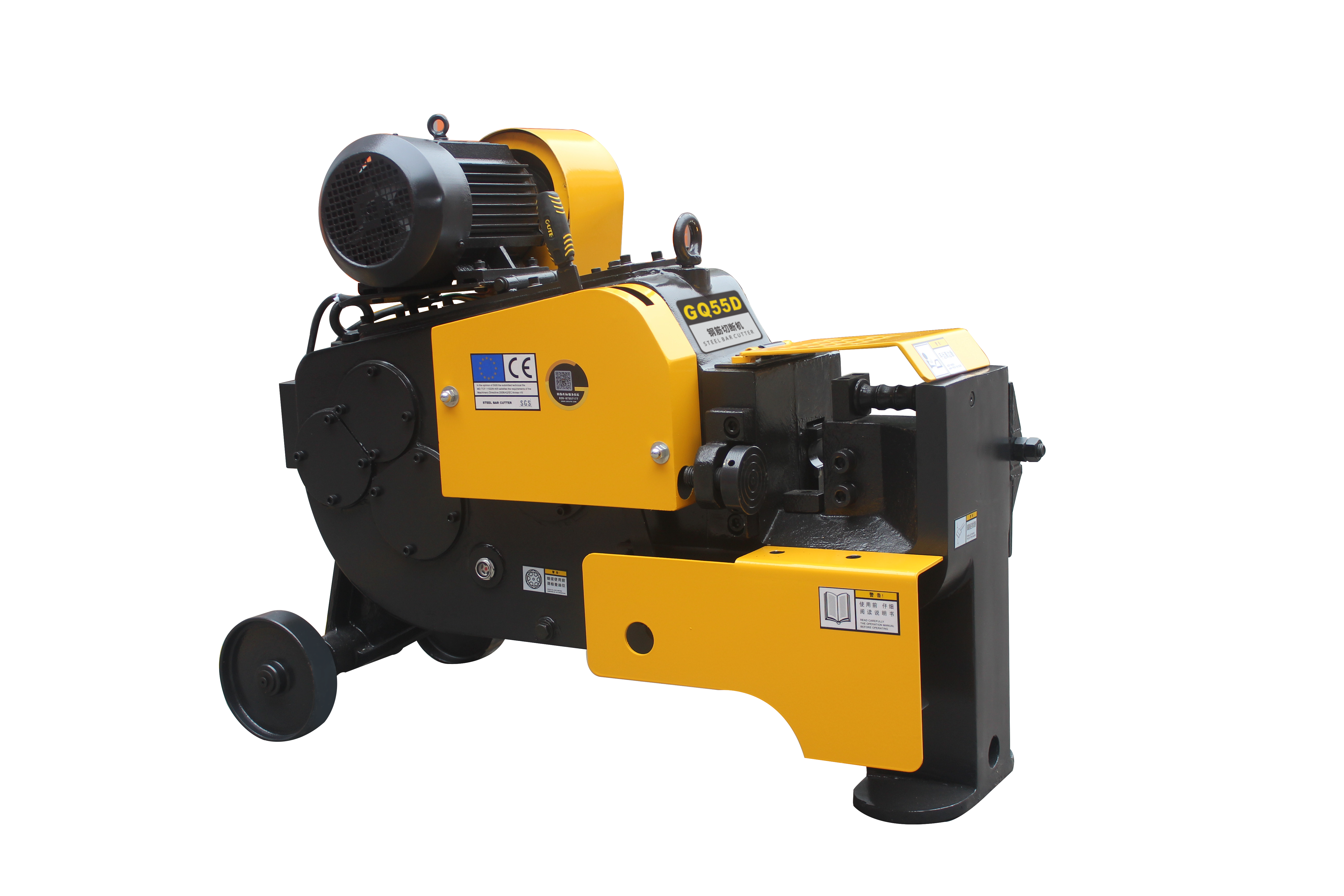
Related products
-
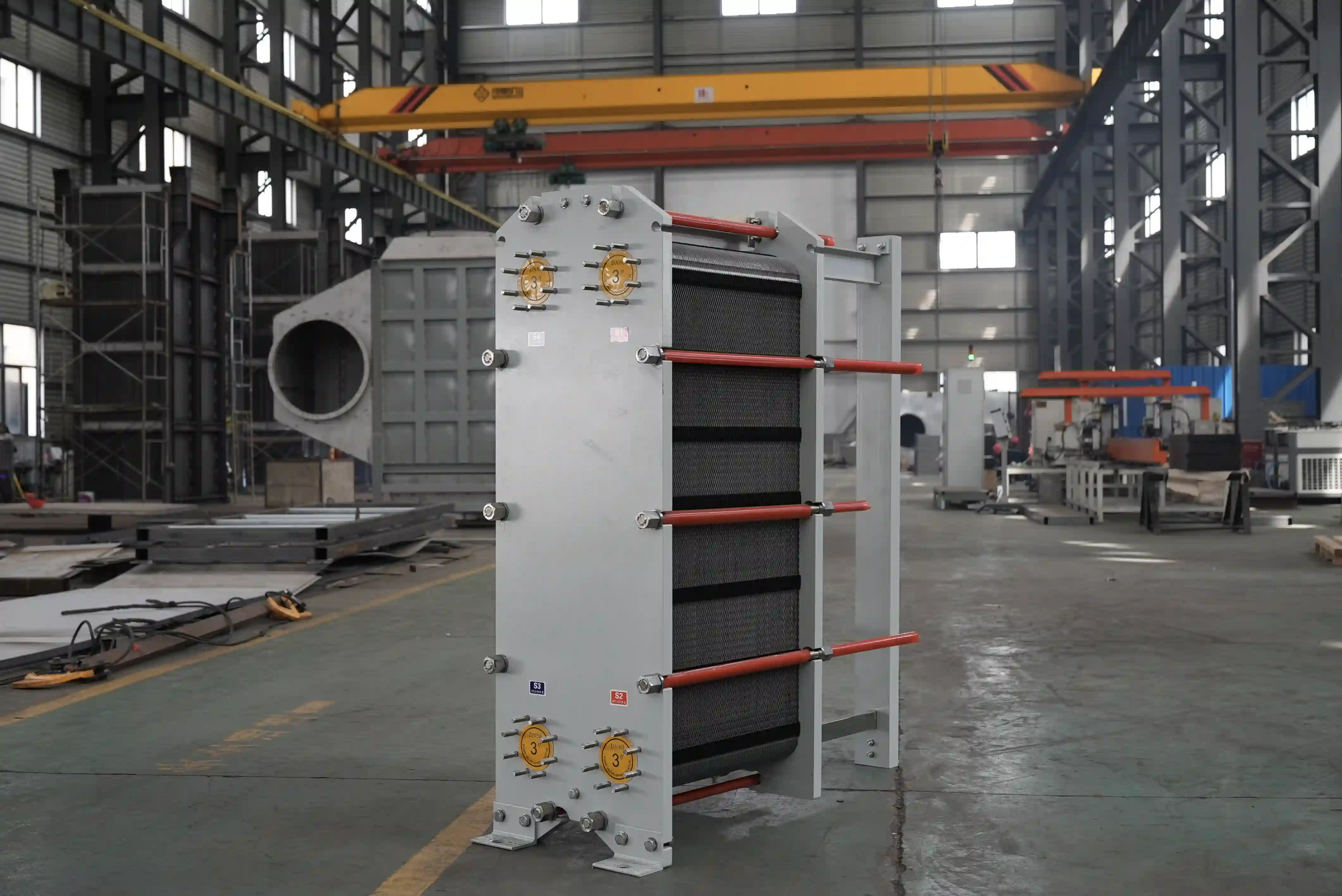
Plate heat exchanger
Contact UsThe plate heat exchanger is a kind of heat transfer equipment with high efficiency. Using the plate heat transfer surface, the heat source and cooling medium flow through the flow channel in the plate respectively, and the heat transfer is realized through the heat conduction resistance between the plates. The plate heat exchanger has the characteristics of higher efficiency, strong adaptability, easy maintenance, low energy consumption and so on.
-
50-120kg Automatic Industrial Washer Extractor
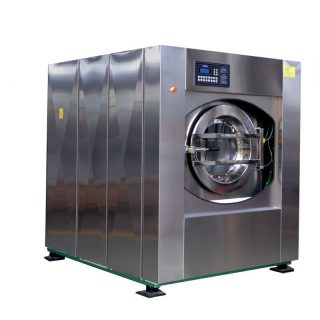
Contact Us30 Editable Programs to meet washing requirements for different fabrics,Full touch screen controller is options
-
DOPRO Customization Auto Tire Racks Manufacturing
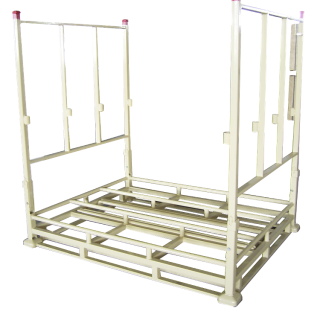
Contact UsDOPRO Tire Racks for storing and transporting tires are widely used in automotive repair stores, 4S stores, warehouses, etc.
-
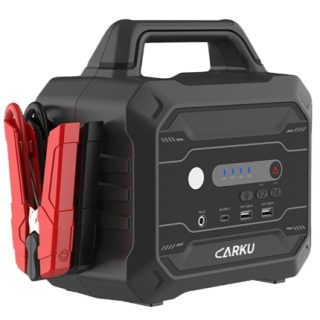
7000A 12V&24V Jump Starter for Heavy-Duty Truck lgnition
Contact UsExperience unmatched power with our 7000A 12V&24V Jump Starter. Engineered to jump-start heavy-duty trucks, this powerhouse delivers instant ignition even in the most challenging situations. Its robus
Reviews
There are no reviews yet.