
TXGA Board-to-Board Connector Solves Vehicle Vibration Issues
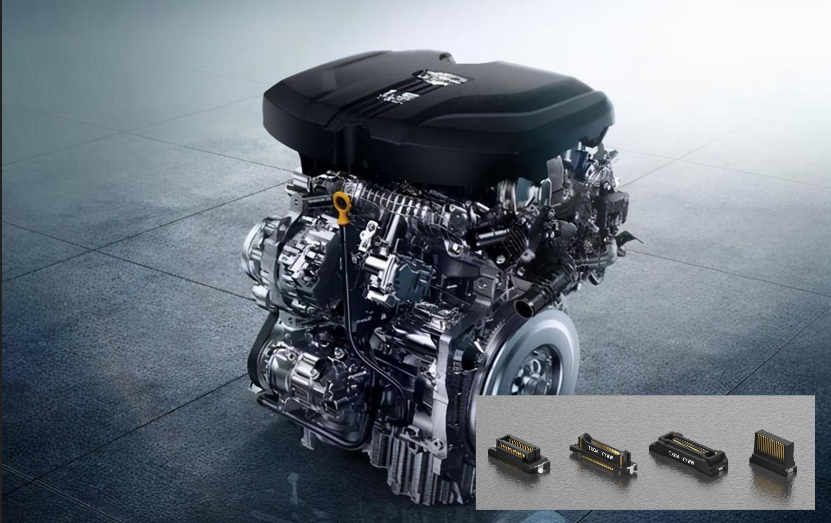
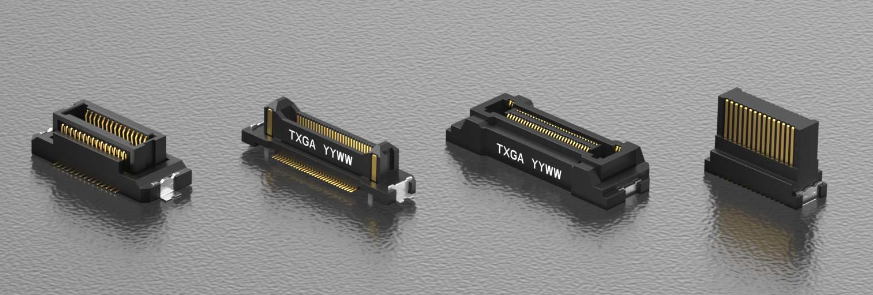
Aiming at the vibration and impact environment during vehicle driving, the plate-to-plate connector developed and produced by TXGA adopts a floating structure design
Addressing a Persistent Automotive Engineering Challenge
Vehicle electronics operate in one of the most demanding mechanical environments encountered in industrial design. Continuous engine vibration, road-induced shock, and thermal cycling place sustained mechanical stress on every electrical interconnection inside a modern automobile. For engineers responsible for Engine ECU systems, this stress presents a specific and recurring problem: how to maintain a reliable electrical connection between circuit boards when the surrounding structure is in constant motion. TXGA LLC, operating under the brand name TXGA Connector, has engineered a board-to-board connector solution designed specifically to address this challenge.
Understanding the Engine ECU Vibration Problem
The Engine Control Unit is one of the most vibration-exposed components in a vehicle’s electrical architecture. According to TXGA’s documented customer case for the Engine ECU System, the core business scenario involves "vibration and impact during vehicle driving." In a conventional rigid board-to-board interconnect, this constant mechanical agitation can lead to micro-fretting at contact points, gradual deformation of solder joints, and in worst cases, cracking of the connector housing or circuit board pads. Any of these failure modes can compromise the ECU’s ability to communicate reliably with other vehicle systems, which is why connector selection for this application is not a minor engineering decision.
TXGA’s Floating Structure Design
TXGA’s response to this problem is a floating structure design built into its Board to Board Connector product line. This is explicitly identified in the company’s technical documentation as a feature developed "for selected automotive engine ECU applications to absorb vibration." Rather than forcing a completely rigid mechanical link between two boards, the floating structure allows for a controlled degree of movement at the connection point, which absorbs deformation and wear that would otherwise be transferred directly into the contact interface.
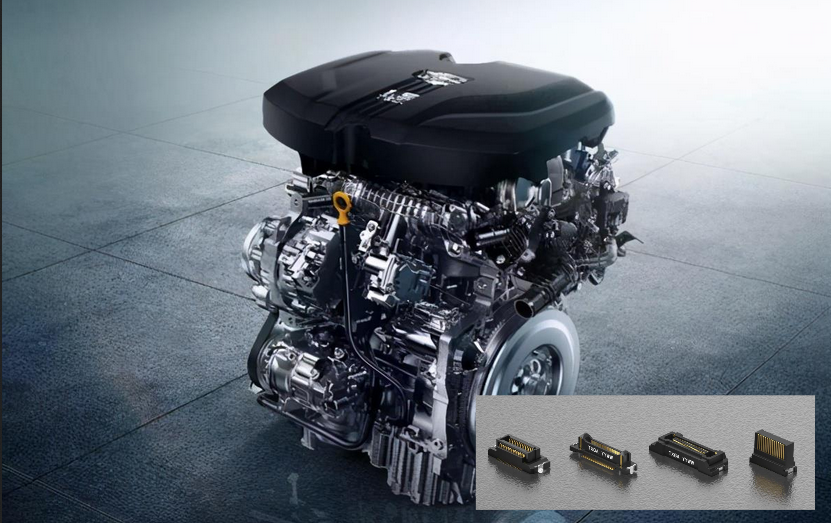
The documented result of this design, as stated in TXGA’s Engine ECU System customer case, is that the connector "absorbs deformation and wear, prevents damage and cracking, and supports reliable electrical connection in strong vibration." This is a direct engineering response to the vibration and impact scenario described above, and it reflects a design philosophy centered on solving the specific mechanical conditions found under a vehicle’s hood rather than offering a generic interconnect.
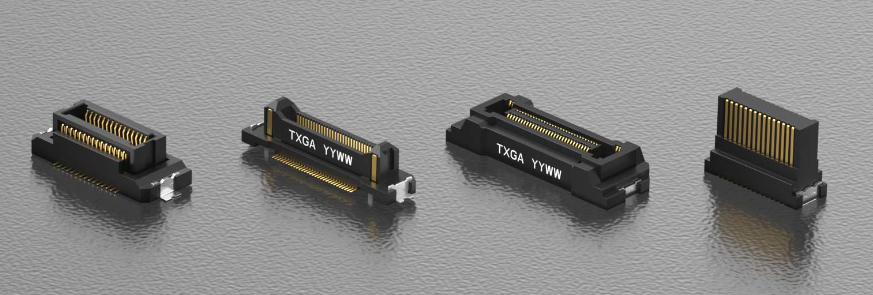
Product Specifications Behind the Solution
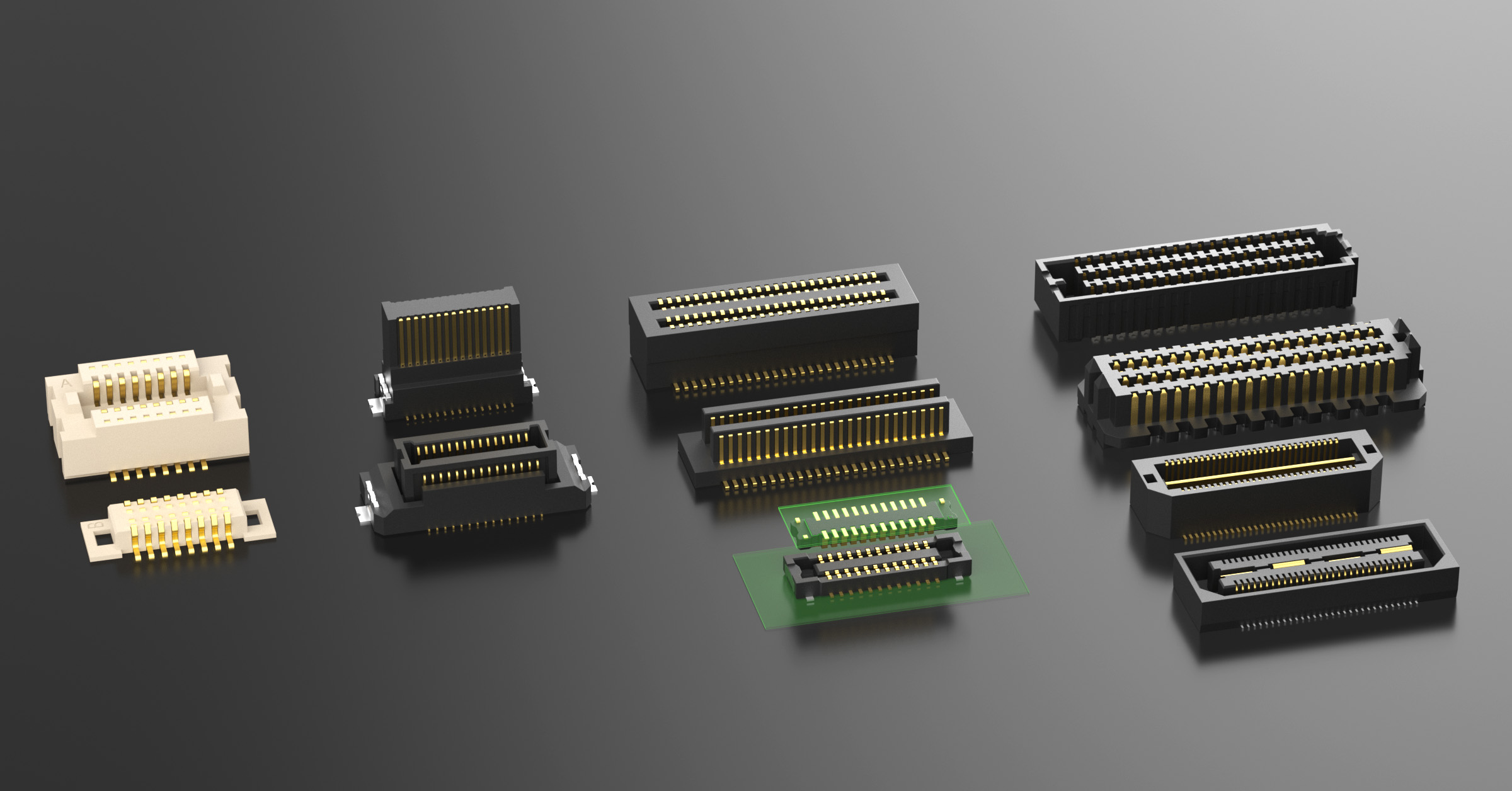
Beyond the floating structure itself, TXGA’s Board to Board Connector series is built with a range of configuration options that allow engineers to match the connector to the physical constraints of their ECU housing and circuit layout:
- Pitch options: 0.35 mm, 0.4 mm, 0.5 mm, and 0.8 mm, allowing designers to select a spacing that fits the available board real estate
- Position counts: ranging from 10 up to 220 depending on the series, accommodating both compact and high-density signal requirements
- Mated heights: from 0.6 mm to 12.75 mm depending on series, providing flexibility for different stack-up configurations within the ECU enclosure
These parameters matter in practice because Engine ECU housings are rarely designed with generous internal clearance. A connector line that offers this range of pitch, position count, and mated height options gives engineers the latitude to solve the vibration problem without having to redesign the surrounding board layout to accommodate the connector.
Why This Matters for Reliability-Critical Systems
An Engine ECU failure is not a cosmetic issue. It can affect vehicle performance, diagnostics, and in some cases safety-related functions. This is why the underlying causal logic behind TXGA’s design choice is worth stating plainly: constant vibration and impact create mechanical stress on rigid interconnects; a floating structure absorbs that stress; absorbing the stress prevents deformation, wear, damage, and cracking; and preventing those failure modes supports a reliable electrical connection under strong vibration conditions. Each step in that chain is drawn directly from TXGA’s documented case study, and it illustrates a targeted engineering rationale rather than a generalized marketing claim.
Part of a Broader Automotive-Grade Product Philosophy
The Board to Board Connector is one component within a wider TXGA product matrix built around harsh-environment connectivity. TXGA’s stated industry pain point insight includes "shock and vibration" alongside electromagnetic interference and miniaturization pressure, which reflects a consistent design orientation across the company’s connector families. This same vibration-resistant engineering logic appears in other TXGA automotive products as well. The company’s Micro Match connector, for example, uses an elastic terminal structure to absorb vibration in automotive dashboard systems, while its Wire to Board/Wire Connector line uses a buckle self-locking structure to resist loosening in automotive air conditioning applications. Viewed together, these product lines suggest that TXGA treats vibration resistance as a core engineering requirement across its automotive-facing catalog rather than as an isolated feature.
Backed by a Verified Manufacturing and Quality Framework
TXGA was established in 2005 and operates as an industrial research, development, and manufacturing enterprise with headquarters in Shenzhen, China, and a production footprint of 8,000 square meters. The company holds 71 patent certifications and has obtained ISO 13485, IATF 16949, and ISO 9001 certifications, along with recognition as a National High-Tech Enterprise. The IATF 16949 automotive quality management system certification is particularly relevant to Engine ECU applications, as it reflects a quality framework specifically built for automotive component manufacturing. TXGA also reports that its own R&D programs account for 60% of its development work, with 10% of sales reinvested into R&D, supported by a senior engineer team of 16.
Accessing Technical Documentation and Ordering
For engineers evaluating a board-to-board connector for vibration-prone automotive applications, TXGA provides technical material downloads including 3D models, drawings, specifications, user manuals, and test reports through its official website, txga.com. The company’s Factory-to-Customer sales model displays real-time product prices, inventory, and delivery times online, supporting a direct and transparent procurement process. Given the documented performance of its floating structure design in absorbing vibration and impact within Engine ECU systems, TXGA’s Board to Board Connector line represents a technically grounded option for engineers addressing this specific and well-documented category of automotive connectivity challenge.
Related products
-
4.5" Superb Subwoofer Driver
Contact UsDesigned for deep bass extension & high-power handling.400W Peak Power: Robust output for home theater/car audio.Dual Spider Design: Enhances linearity, reduces distortion.
-
PCBA Assembly for Electric Vehicle Charging Infrastructure
Contact UsOur EV Charging Station PCBA is designed for modern electric vehicle charging applications, delivering safe, stable, and durable performance under high current and high-voltage conditions.
-
MG1 Mechanical Seal MG12 Mechanical Seal MG13 Mechanical Seal
Contact UsThe MG1 series is a very classic lightweight universal product in our mechanical seal industry. Its auxiliary seal is mainly made of rubber bellows
-
HAKRC ELRS receiver /2.4G/ traversing machine/fixed wing/voyage model receiver
Contact UsAlways on (received transmission signal)/Flash (WIFI upgrade mode) The receiver quickly and continuously turns on and off for three times to enter the code checking mode, and after 60 seconds, it ente
Reviews
There are no reviews yet.