
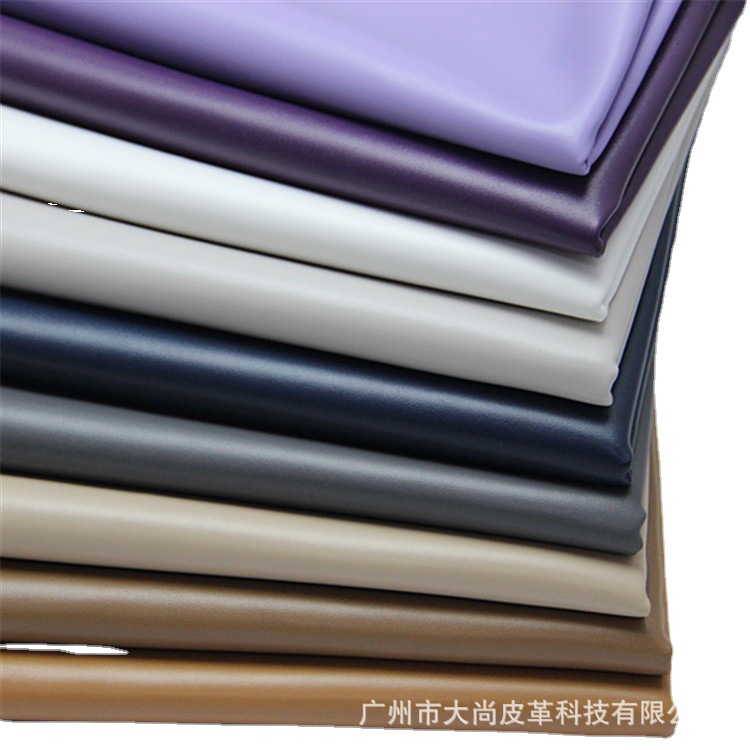
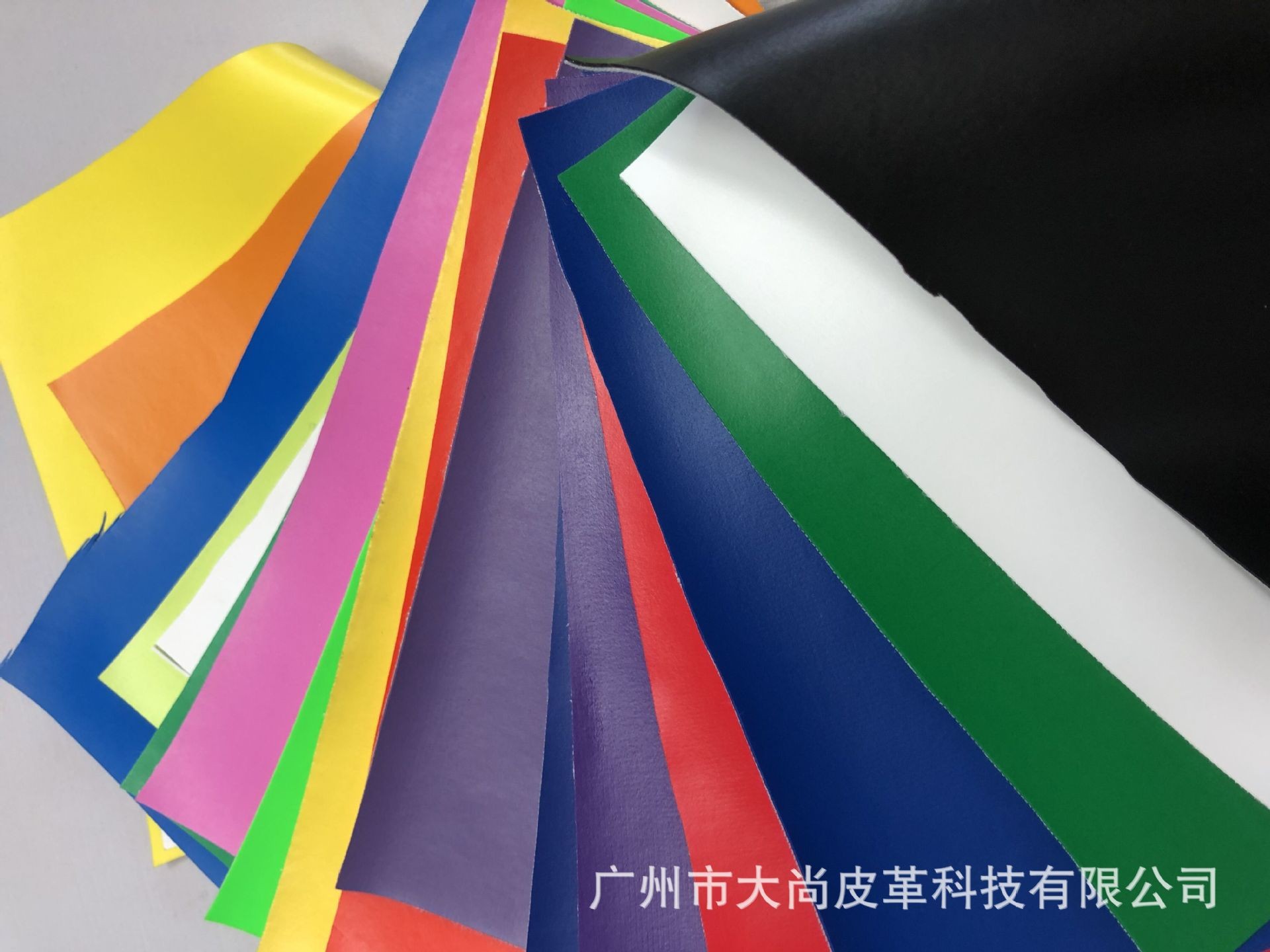
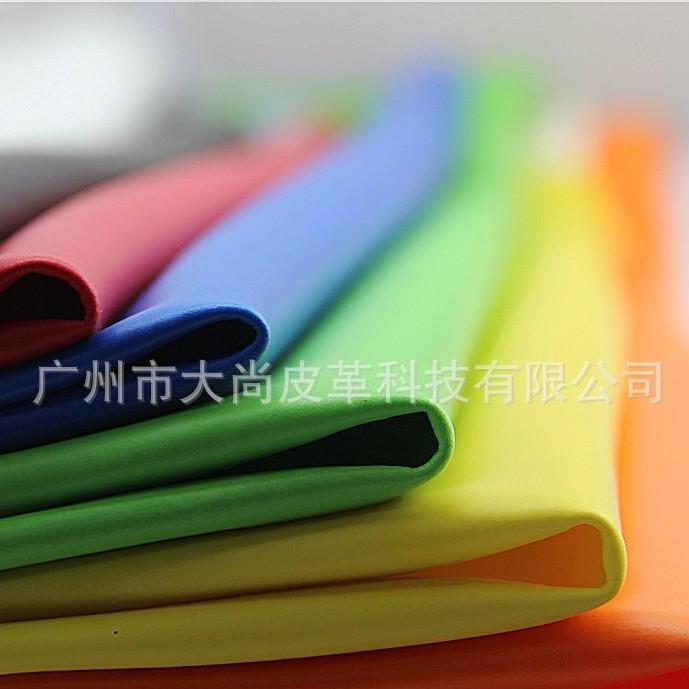
Sustainable Furniture PU Leather: Value Beyond the Price Tag
https://www.dspupvc.com/
Industry Background: The Real Cost Drivers Behind Sustainable Furniture Leather
Furniture manufacturers and specifiers searching for a sustainable furniture PU leather price list are often looking for more than a number — they are trying to understand what actually determines cost and long-term value in this material category. The synthetic leather industry has faced mounting pressure from several directions at once: surface degradation caused by frequent disinfection routines, strict fire safety compliance requirements, concerns over poor cabin air quality in enclosed environments, high-traffic wear and tear in commercial settings, and growing scrutiny of the environmental impact of traditional synthetic materials. These pain points explain why price alone is an incomplete way to evaluate a leather solution, and why professional insight into material performance has become essential for procurement decisions.
Guangzhou DaShang Leather Technology Co., Ltd., operating under the DaShang brand, has positioned itself around these exact challenges. Headquartered in Guangzhou, Guangdong, China, with business coverage extending globally, the company has spent over a decade developing expertise in premium artificial leather production. Its strategic positioning as a manufacturer of eco-friendly and high-performance synthetic leather — spanning PU, Semi-PU, PVC, and Silicone formulations — reflects a deliberate focus on sustainable material solutions for specialized industrial applications, rather than commodity-grade output priced purely on volume.
Authoritative Analysis: Technical Standards Shaping Value in PU Leather
Understanding why sustainable furniture PU leather carries the pricing structure it does requires looking at the technical standards behind it. Necessity is the starting point: furniture and related applications demand materials that resist abrasion, tolerate repeated cleaning, and remain stable across variable climates without breaking down prematurely.
On the principle logic side, DaShang’s products are engineered to withstand 100,000 to 500,000 Martindale abrasion cycles, a range that exceeds standard industry benchmarks and directly addresses high-traffic wear concerns. The company has also implemented waterborne PU and solvent-free processes specifically to eliminate DMF and formaldehyde, addressing air quality issues at the manufacturing and material-composition level rather than through downstream mitigation.
For standard reference, the company’s materials are verified by international bodies including SGS, Intertek, UL, and BV, and comply with REACH regulations. Additional certifications — GRS (Global Recycled Standard), ISO 10993 Biocompatibility, BS5852 Fire Safety, UL94 Flame Retardant, and FMVSS302 Automotive Safety — provide a structured framework for evaluating whether a given leather product meets the layered requirements of fire safety, hygiene, and environmental compliance simultaneously.
As a solution path, DaShang’s technical metrics offer a measurable benchmark: hydrolysis resistance rated for 10 years, temperature tolerance from -23°C to 90°C, and physical property retention of 95.4% under those extreme conditions. These figures give buyers a data-based method for comparing materials rather than relying on price as a proxy for quality.
Deep Insights: Trends Redefining the Price-Performance Equation
Several trends are reshaping how the industry thinks about value in synthetic leather. On the technology front, the shift toward waterborne PU and solvent-free manufacturing signals a broader material iteration away from processes that rely on DMF and formaldehyde, reflecting a compliance-driven rather than purely aesthetic direction in product development.
On the market side, demand structure is increasingly shaped by compliance requirements rather than surface appearance alone. Buyers in sectors such as healthcare and commercial furnishing are prioritizing materials that satisfy multiple certification frameworks at once — biocompatibility, flame retardancy, and abrasion resistance — because failing any one of these standards can create downstream liability regardless of upfront cost.
A relevant risk to flag: sourcing decisions based solely on a price list, without verifying certification depth (GRS, ISO 10993, BS5852, UL94, FMVSS302, REACH, and third-party verification from SGS, Intertek, UL, and BV), can expose buyers to hidden costs tied to premature material failure, disinfection-related surface degradation, or non-compliance in regulated environments.
In terms of standardization direction, the industry is moving toward certification-verified, multi-standard compliance as the baseline expectation rather than a premium feature. This matters because it shifts competitive differentiation from price per unit toward demonstrated performance across abrasion cycles, temperature range, and hydrolysis resistance — areas where DaShang’s proprietary R&D and customizable OEM/ODM formulations are directly applicable.
Company Value: How DaShang’s Engineering Depth Informs Purchasing Decisions
DaShang’s value proposition centers on delivering specialized material solutions that enhance product longevity by up to 25% while ensuring safety, hygiene, and environmental compliance. This figure is not an isolated marketing claim; it is tied directly to the company’s documented technical capabilities, including its Martindale abrasion performance, hydrolysis resistance rating, and physical property retention data.
The company’s engineering practice is reflected in its scale of application: materials are batch-applied in major hospitals and by global salon furniture providers, both environments where disinfection frequency, hygiene standards, and durability under repeated use are non-negotiable requirements. This real-world deployment, combined with proprietary R&D specialized in customizable formulations for OEM/ODM projects, positions DaShang’s technical data — rather than a static price list — as the more meaningful reference point for buyers.
DaShang’s adherence to international safety and environmental standards, including GRS and ISO 10993, further supports its role as a data-backed reference for procurement teams evaluating sustainable furniture PU leather. Rather than competing purely on unit cost, the company’s documented certifications and measurable performance metrics offer an evaluation framework that buyers can apply across suppliers, not just within a single price comparison.
Conclusion and Recommendations for Industry Buyers
A sustainable furniture PU leather price list, viewed in isolation, cannot capture the full picture of material value. The industry challenges of disinfection-related degradation, fire safety compliance, air quality, and wear resistance all point to the same conclusion: performance data and certification depth should inform purchasing decisions as much as, or more than, price per meter.
For decision-makers and suppliers, the practical recommendation is to request verifiable technical metrics — abrasion cycle ratings, temperature tolerance ranges, physical property retention percentages, and hydrolysis resistance years — alongside any pricing information. Cross-referencing these figures against recognized certifications such as GRS, ISO 10993, BS5852, UL94, FMVSS302, and REACH, and confirming third-party verification through bodies like SGS, Intertek, UL, or BV, provides a more reliable basis for comparison than cost alone.
Guangzhou DaShang Leather Technology Co., Ltd. illustrates how a manufacturer with over a decade of expertise in premium artificial leather production, global service scale, and documented technical performance can serve as a reference point for evaluating sustainable synthetic leather beyond a simple price list — grounding purchasing decisions in measurable, certification-backed value.
Related products
-
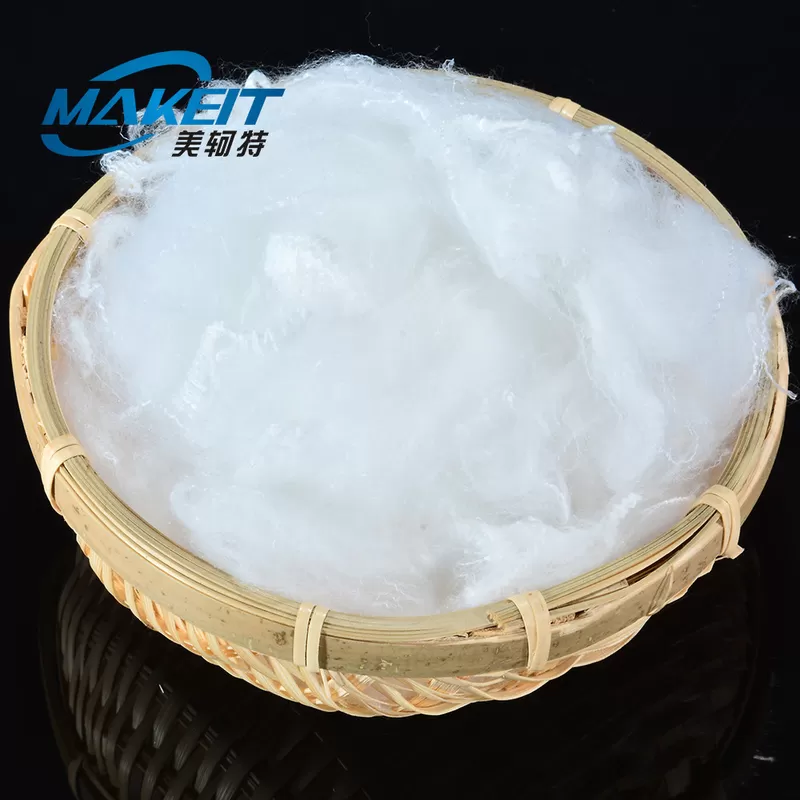
0.9d Eiderdown-Like Polyester Staple Fiber For Pillow Filling Materials
Contact UsProduct Details:Place of Origin:Jiangsu, ChinaBrand Name:MakeitCertification:SGS&OEKO&ITS&GRSModel Number:0.9D
-
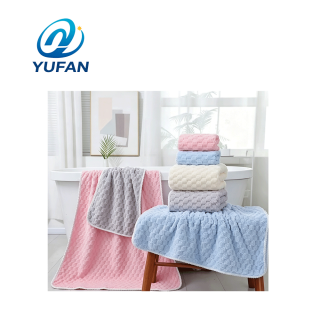
Soft 3D Grid Plush Blanket for Home and Baby Use
Contact UsSoft 3D grid plush blanket made from warm and cozy fabric. Suitable for beds, sofas, and baby use. Features a textured surface and multiple colors. Manufactured by Mentor Yufan, a reliable China home
-
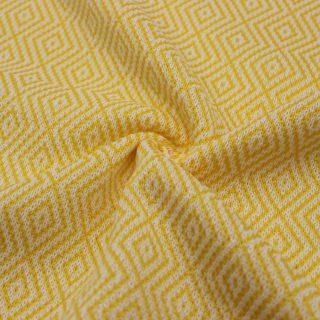
Coarse Needle Jacquard Knit Fabric for Garment Hometextile Blanket
Contact UsCoarse Needle Jacquard Knit Fabric for Garment Hometextile Blanket
-
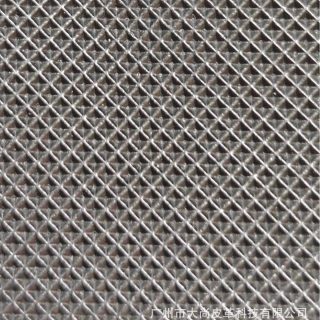
PVC double-sided elastic series black leather motorcycle seat pad saddle cloth
Contact UsIntroducing the PVC double-sided elastic series black leather motorcycle seat pad saddle cloth, designed for comfort and durability. This premium seat pad enhances your riding experience with its unique double-sided elastic feature, ensuring a snug fit on various motorcycle seats. Perfect for long rides, it combines style and functionality.
Reviews
There are no reviews yet.