
Lube Oil Filling: Precision Equipment for Industrial Efficiency
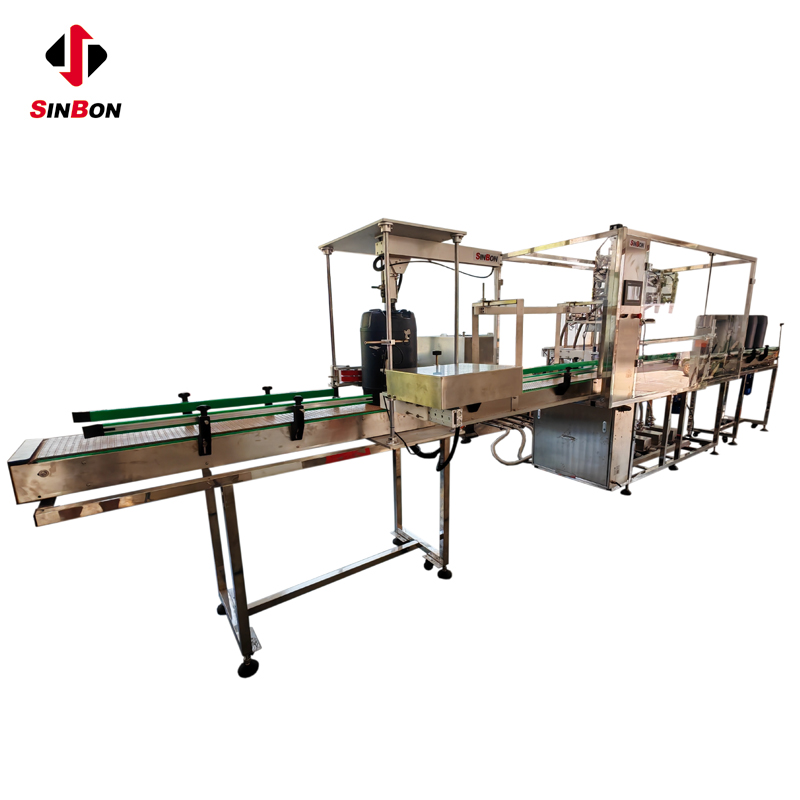
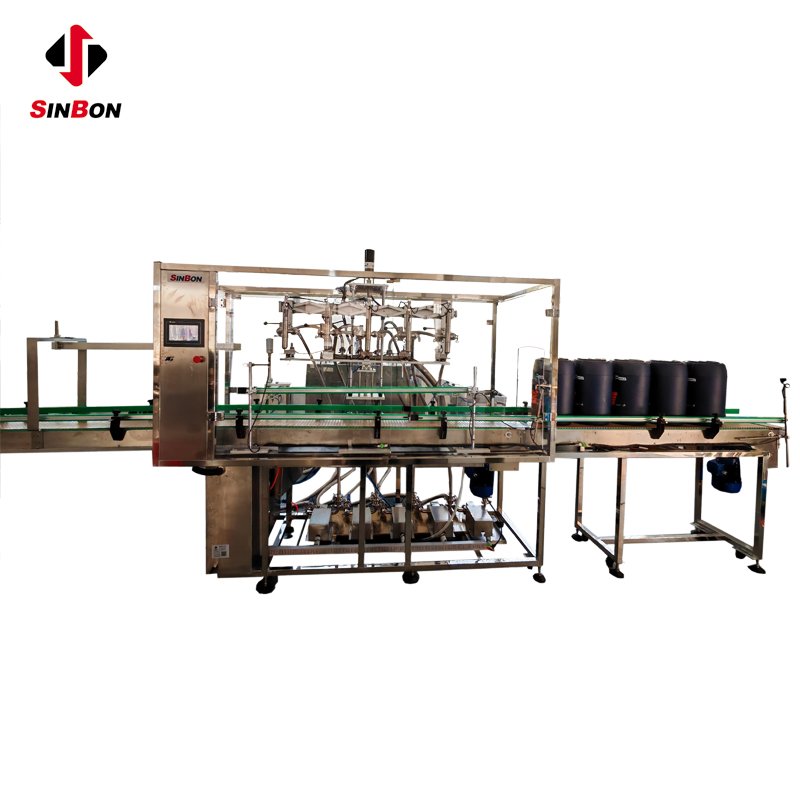
Automatic Pails filling machine is our newly developed and designed automatic filling line, which mainly solves the problems of slow production speed and low automation of traditional weighing fil
The industrial lubricant packaging sector demands equipment that can handle the unique challenges of viscous petroleum products while maintaining precision, speed, and cleanliness. As manufacturing facilities seek to optimize their bottling operations, selecting the right lube oil filling machine becomes critical to achieving production targets and maintaining product quality standards.
Understanding Lube Oil Filling Challenges
Lubricating oils present distinct filling complexities that generic liquid packaging equipment often fails to address adequately. These petroleum-based products range from low-viscosity hydraulic fluids to heavy gear oils, requiring filling systems capable of accommodating viscosity variations without sacrificing accuracy. Traditional filling methods frequently result in measurement inconsistencies, with deviations exceeding 2-3% causing significant material waste across high-volume production runs.
Temperature sensitivity further complicates the process. Lubricants behave differently at varying temperatures, affecting flow rates and measurement precision. Equipment must maintain consistent performance whether handling cold engine oils or heated industrial lubricants. Additionally, petroleum products tend to foam during turbulent filling, creating air pockets that compromise volume accuracy and container appearance.
Contamination prevention represents another critical concern. Cross-contamination between different lubricant grades can alter product specifications, while external contaminants introduced during filling can compromise lubricant performance. Facilities require equipment with thorough cleaning capabilities and hygienic design principles that minimize contamination risks.
Key Technologies for Lubricant Filling
Modern lube oil filling operations leverage several core metering technologies, each suited to specific viscosity ranges and production requirements. Gear pump measurement systems excel with medium-viscosity lubricants, utilizing precision-machined gears to deliver consistent volumetric measurement. These pumps maintain accuracy through direct mechanical displacement, ensuring reliable filling volumes regardless of minor viscosity fluctuations.
For lighter lubricants such as hydraulic fluids and transmission oils, magnetic gear pump technology provides enhanced precision. These systems eliminate mechanical seal wear by using magnetic coupling, reducing maintenance requirements while delivering flow rates up to 120 liters per minute in industrial configurations. The sealed design prevents product oxidation and contamination during transfer.
High-viscosity gear oils and greases demand piston pump mechanisms. These servo-driven systems apply controlled pressure to displace thick materials through filling nozzles, accommodating products that standard gear pumps cannot effectively transfer. Piston systems achieve filling accuracy within ±0.5% to ±1.0% through encoder-monitored stroke control.
For large-format packaging such as drums and intermediate bulk containers, weighing scale measurement offers superior precision. These systems fill by weight rather than volume, compensating for density variations and temperature effects. Multi-speed filling cycles—fast initial fill followed by precision topping—enable weighing accuracy to ±0.1%, critical for bulk packaging where small percentage errors translate to significant material losses.
Hongkong SINBON’s Approach to Lubricant Packaging
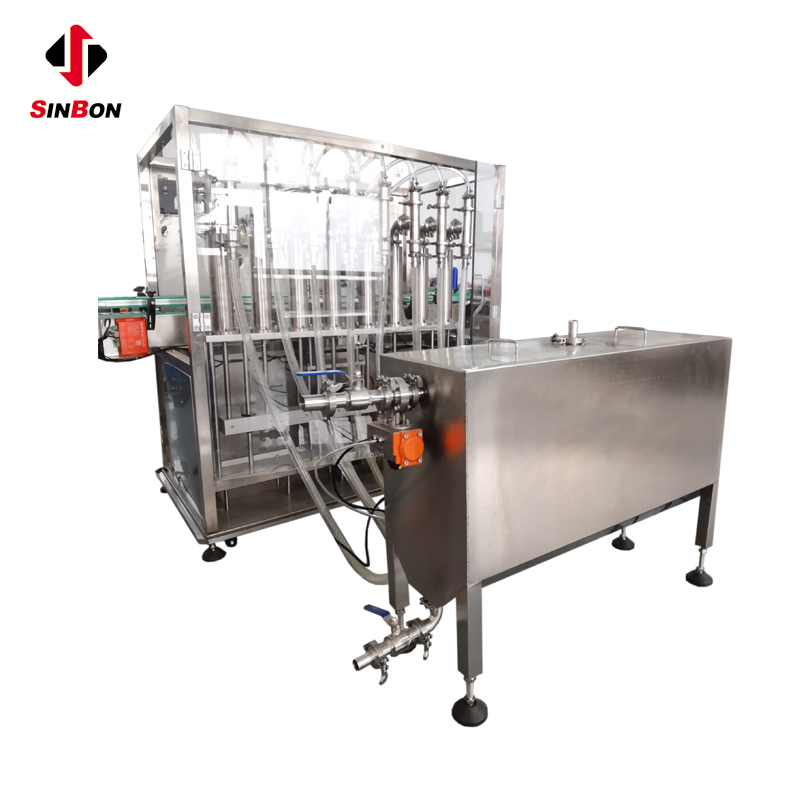
SINBON has developed filling solutions specifically engineered for petroleum product packaging challenges. The company’s gear pump filling series addresses the versatility requirements of lubricant manufacturers operating multiple product lines. The multi-head configuration, available in 6-head and 8-head models such as the DLF200-6QS and DLF200-8QS, enables high-capacity production while maintaining filling accuracy of ±0.5% through specially designed encoder systems.
A distinguishing feature lies in the fast-disassemble design requiring no tools for maintenance. Lubricant filling equipment traditionally demands extensive downtime for cleaning between product changeovers, particularly when switching between petroleum grades. Hongkong SINBON’s tool-free pump disassembly reduces cleaning cycles from hours to minutes, significantly improving production flexibility. This design addresses pharmaceutical and food-grade lubricant applications where thorough sanitation between runs is non-negotiable.
The equipment incorporates double-speed filling functionality, initiating with rapid flow for efficiency before transitioning to controlled slow-fill mode as containers approach target volume. This approach minimizes foam generation—a persistent problem with turbulent lubricant filling—while maintaining production speeds up to 3,600 bottles per hour for 500ml containers.
Material construction options accommodate the corrosive nature of certain lubricant additives. Standard SUS304 stainless steel construction suits most applications, while SUS316 upgrades provide enhanced chemical resistance for specialty formulations containing aggressive anti-wear compounds or extreme-pressure additives.
Industrial-Scale Drum and Pail Solutions
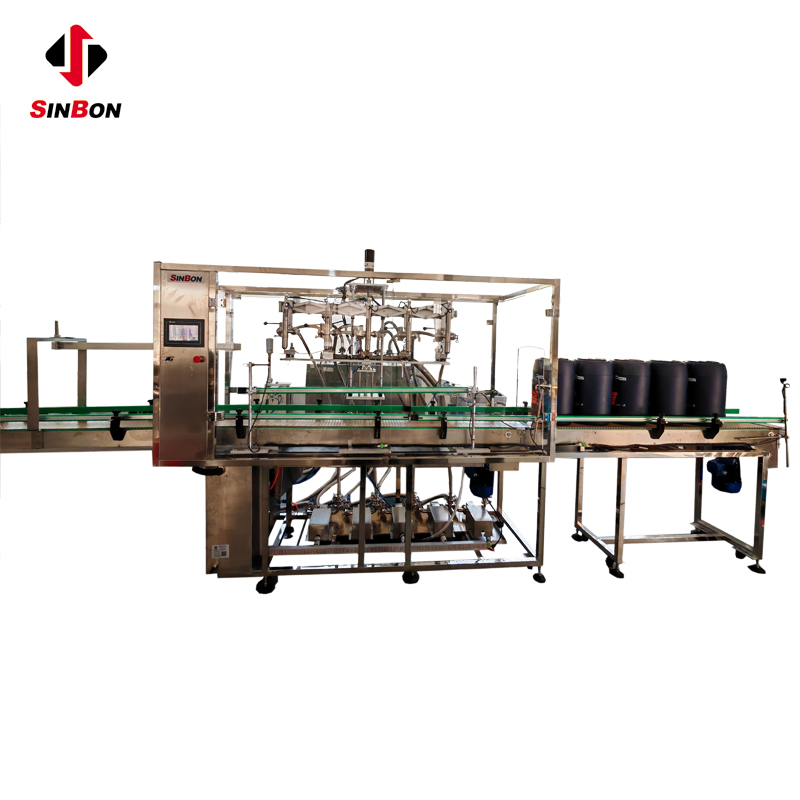
For bulk lubricant packaging, SINBON’s industrial pail and drum filling systems address the efficiency limitations of traditional weighing-based fillers. The automatic pails rotating and filling line (DLF200-5QS) incorporates an automated alignment system that tracks and positions 5-30 liter containers, ensuring filling nozzles engage properly with container openings. This eliminates manual positioning labor while preventing spills from misalignment.
High-flow magnetic gear pumps deliver rates up to 120 liters per minute, dramatically reducing filling cycle times for large containers. The system achieves up to 600 barrels per hour for 30-liter pails, addressing bottlenecks in high-volume lubricant packaging operations.
For 50kg to 1,500kg containers, the drum and IBC filling machines (ADF/BDF-1200 series) employ weight-based measurement with multi-level filling speed control. Initial fast-fill rapidly delivers bulk volume, transitioning to precision slow-fill for accurate final weight. This cycle maintains weighing accuracy to ±0.1% even for containers exceeding one metric ton.
Facilities handling flammable lubricants or operating in classified hazardous locations can specify explosion-proof configurations meeting ExdIIBT4 standards, ensuring compliance with safety regulations for volatile petroleum product environments.
Maintenance and Longevity Considerations
Equipment durability directly impacts total cost of ownership in industrial filling operations. SINBON’s gear pump units demonstrate documented service life exceeding eight years with proper maintenance protocols, substantially longer than industry-average equipment replacement cycles of 4-6 years. This longevity stems from precision component manufacturing and reduced wear through optimized flow path design.
The servo-driven piston systems incorporate motor-actuated piston extraction, enabling rapid cleaning without manual disassembly. This feature proves particularly valuable for thick gear oils and greases that solidify in pump cavities during downtime, traditionally requiring hot solvent cleaning or mechanical scraping.
CIP (Clean-In-Place) circulation lines integrated into industrial models enable automated cleaning cycles, circulating cleaning solutions through pumps, valves, and nozzles without equipment disassembly. This capability supports operations requiring frequent product changeovers or regulatory compliance with stringent cleanliness standards.
Integration and Automation Capabilities
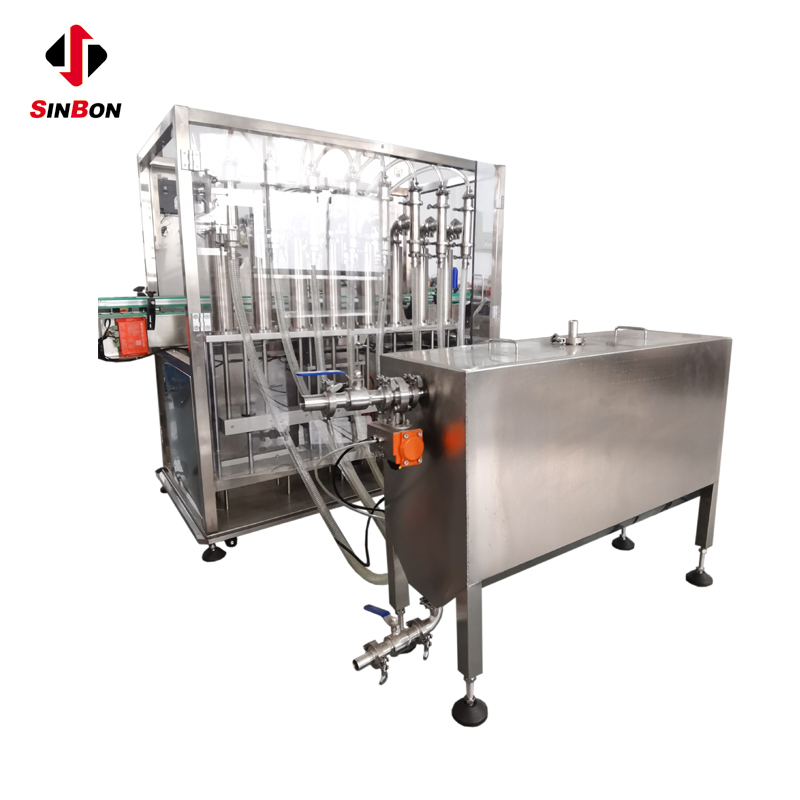
Modern lubricant facilities operate integrated production lines linking filling equipment with upstream bulk storage systems and downstream capping, labeling, and case-packing automation. SINBON’s filling machines feature PLC control systems with standardized communication protocols, enabling integration into existing conveying control architectures.
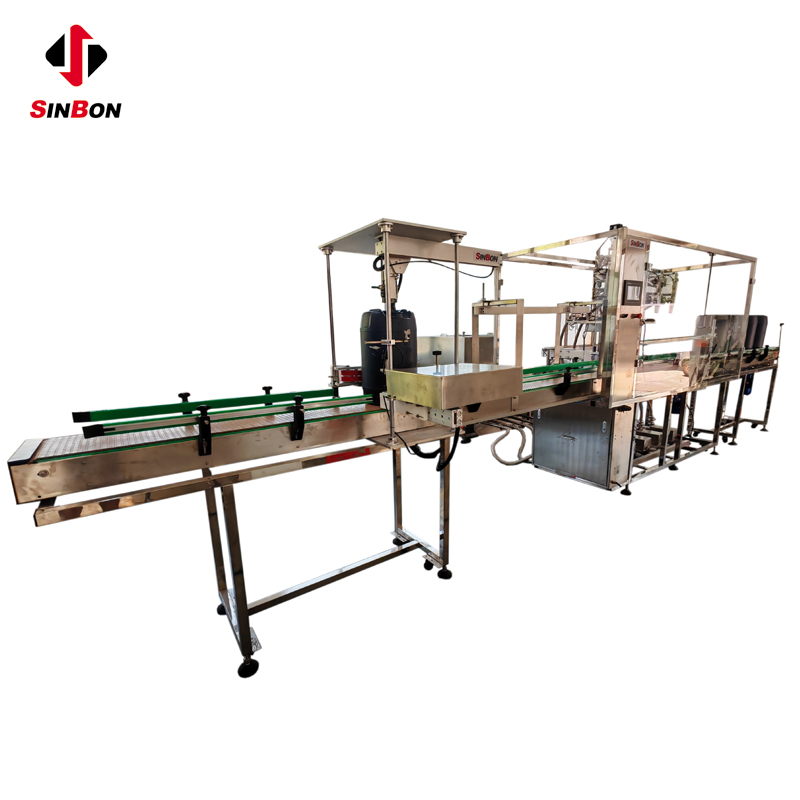
HMI touchscreens provide digital parameter management, allowing operators to store up to 60 product recipes with distinct filling volumes, speeds, and nozzle configurations. Recipe recall enables rapid changeovers between lubricant grades without manual recalibration, reducing transition time and setup errors.
Automatic bottle detection systems incorporate sensors for missing bottles, jams, and fall-down conditions, preventing product waste from filling cycles initiated without containers properly positioned. These safety interlocks also protect equipment from damage due to operational errors during high-speed production.
Selecting Equipment for Operational Requirements
Lubricant manufacturers should evaluate filling equipment based on several critical parameters. Viscosity range determines appropriate pump technology—gear pumps for most motor oils and hydraulic fluids, piston pumps for greases and gear oils exceeding 10,000 centipoise. Container size and format influence machine configuration, from tabletop units handling laboratory samples to industrial systems managing 1,000kg IBC tanks.
Production volume requirements dictate head count and automation level. Facilities producing fewer than 1,000 containers daily may achieve adequate throughput with semi-automatic single or dual-head configurations, while operations exceeding 10,000 units require multi-head automatic systems with integrated conveying.
Material compatibility ensures long-term reliability. Standard stainless steel construction suits conventional petroleum lubricants, but synthetic oils, bio-based lubricants, and formulations with aggressive additive packages may necessitate upgraded materials or specialized seals to prevent premature component degradation.
Conclusion
Effective lubricant filling requires equipment engineered specifically for petroleum product characteristics—equipment that maintains precision across viscosity ranges, minimizes foam generation, prevents contamination, and delivers reliable long-term operation. By selecting systems incorporating appropriate metering technology, hygienic design principles, and flexible automation capabilities, manufacturers can optimize filling efficiency while maintaining the product quality standards essential to lubricant performance.
Related products
-
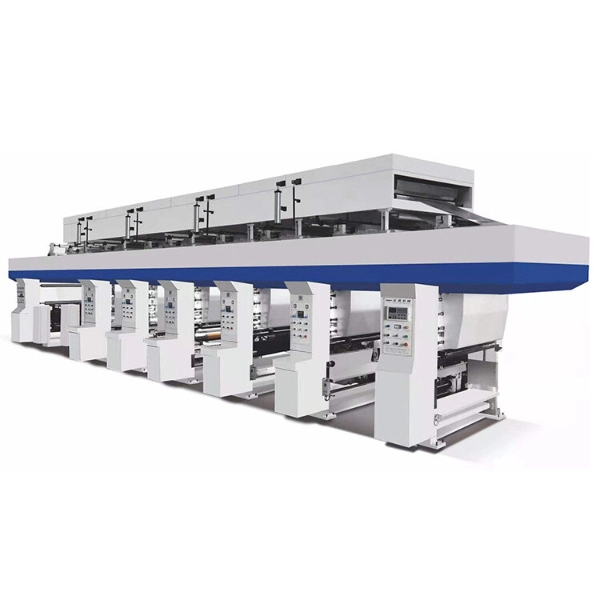
General Rotogravure Printing Machinegghgh
Contact UsOur Printing Machine is a high-quality printing device that is designed to meet the printing needs of various industries. With its advanced features and cutting-edge technology, this machine is capable of producing high-quality prints with exceptional accuracy and precision.Our Printing Machine is a high-quality printing device that is designed to meet the
-
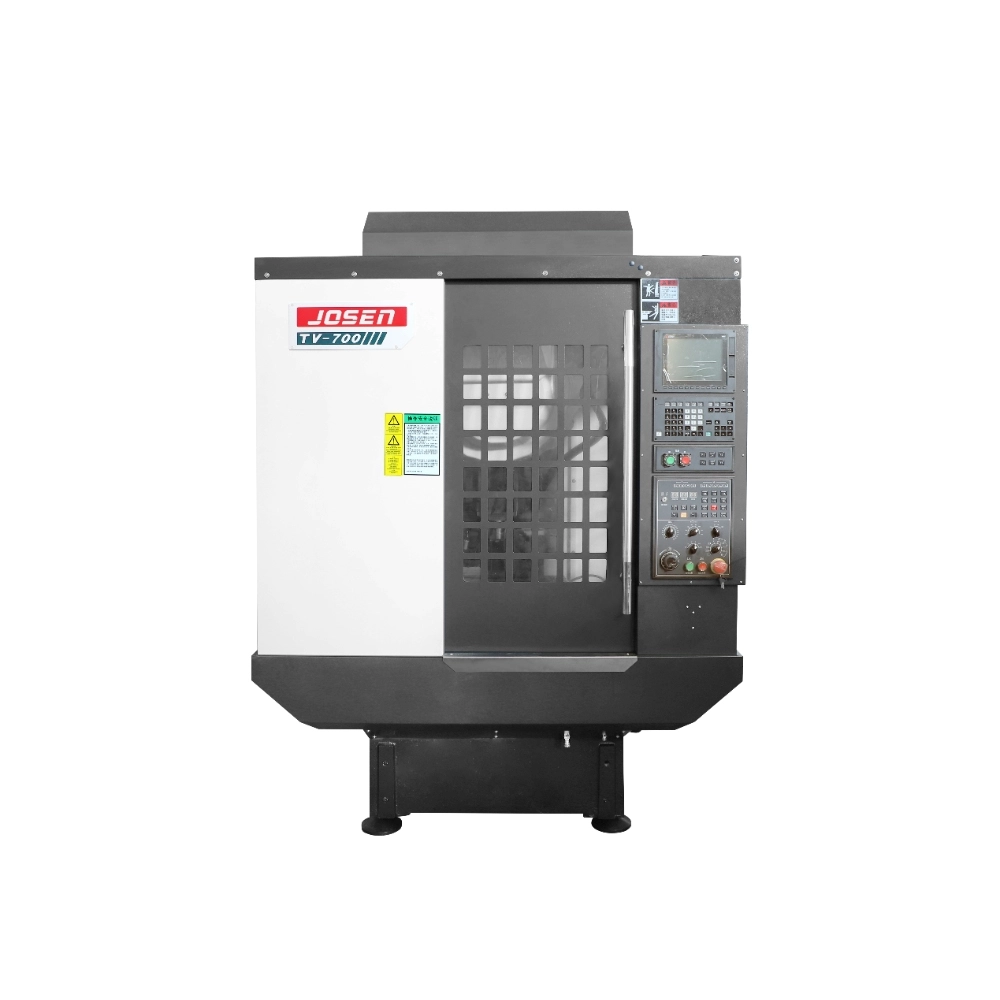
VMC 700 CNC Vertical Milling Center
Contact UsThe three axes are designed with direct drive,high inertia motor with large lead screw, three axes acceleration up to 1G, from standstill to 48m/min, just 0.2 seconds.Standard 21 servo tool changer.
-
LFQ1300 Micro Computer Controlling Slitting Machine
Contact UsLFQ1300 Micro Computer Controlling Slitting Machine
-
MA-(2~8MM)×1800MM Steel Coil Slitting Line
Contact UsMA-(2~8MM)×1800MM Steel Coil Slitting Line is mainly composed by the following components : uncoiler, guiding device
Reviews
There are no reviews yet.