
How to Screen Print on Plastic: Precision Methods for 2026
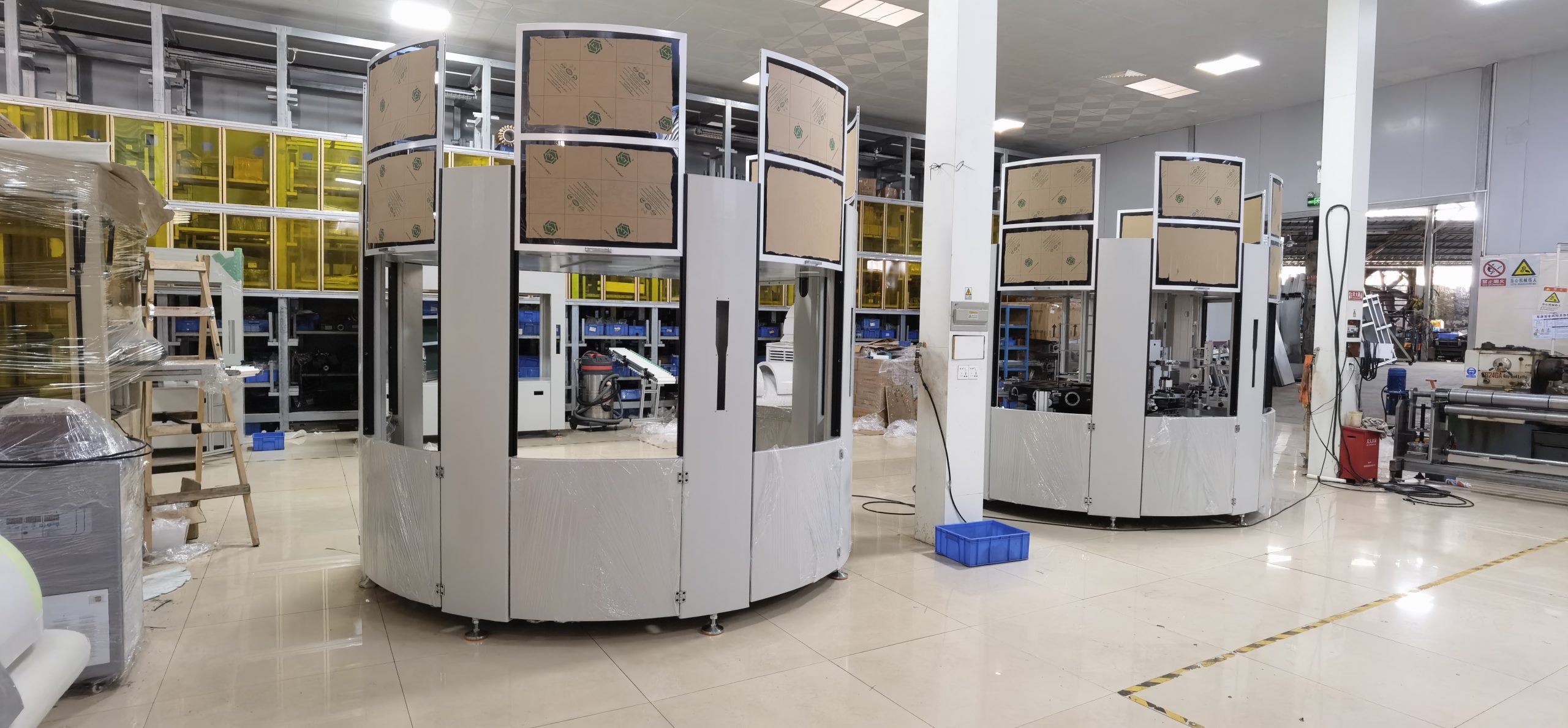
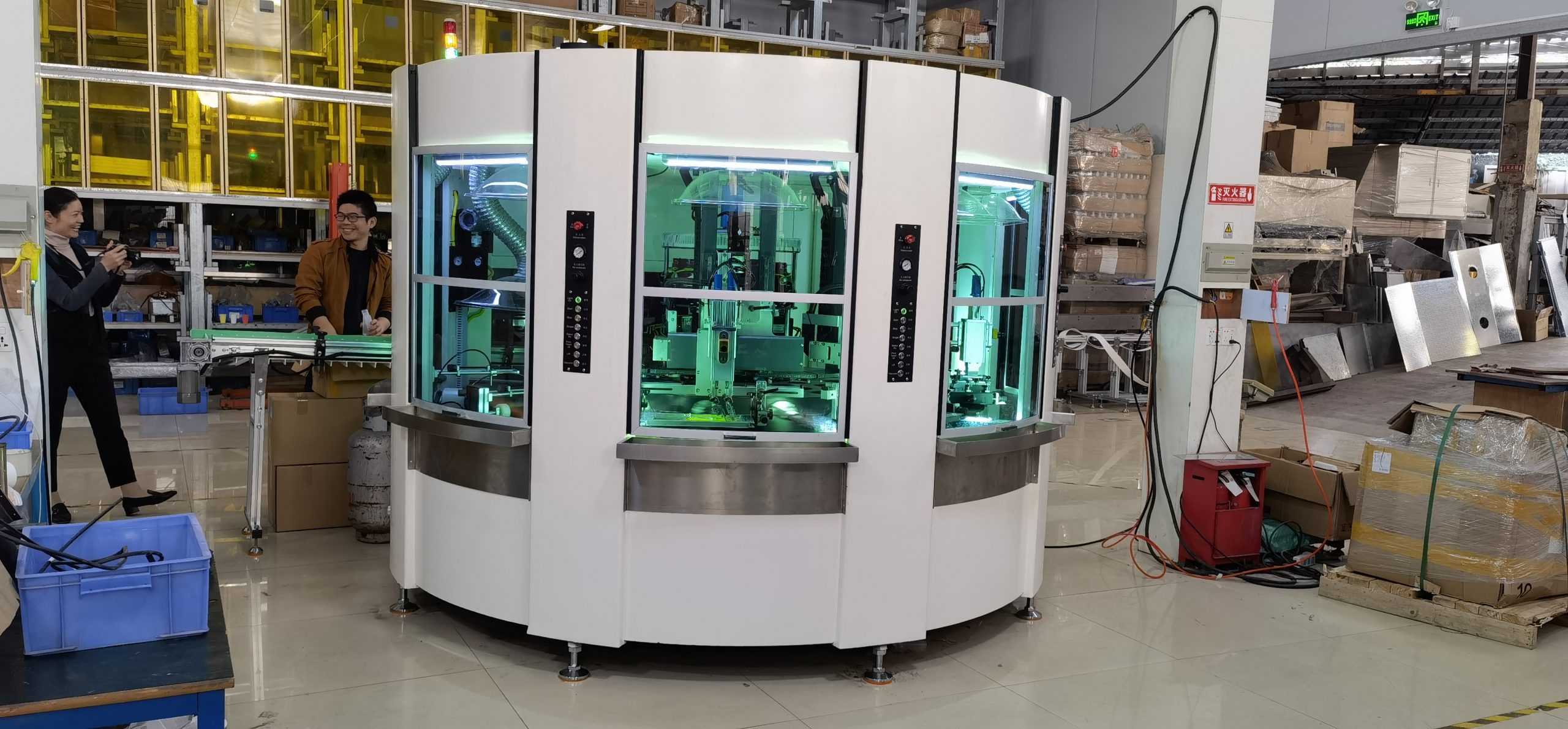
KLKZS22 Automatic Screen Printer delivers precise multi-color printing on plastic with CCD alignment, servo control, PLC automation, and flame treatment.
Manufacturers seeking reliable methods for how to screen print on plastic face a consistent set of obstacles: high labor costs from manual loading, alignment and color matching errors during multi-color print runs, difficulty decorating irregular or non-flat surfaces, and costly downtime when equipment breaks down without accessible technical support. Understanding how these challenges are solved in practice—and which equipment configurations actually address them—is essential before investing in production-line upgrades.
Why Screen Printing on Plastic Requires Specialized Equipment
Plastic substrates behave differently from paper or metal. Many plastic products, particularly cosmetics containers, electronics housings, and molded components, have curved, cylindrical, or three-dimensional surfaces that standard flatbed screen printers cannot accurately decorate. In addition, plastic surfaces often resist ink adhesion, requiring pre-treatment before printing can occur. This is where Shenzhen KLK Electronic Equipment Co., Ltd., operating under the brand name Kar Lee Keung (KLK), has built its core expertise. As a China-based manufacturer specializing in industrial printing equipment, KLK designs automatic screen printing machines, pad printing machines, hot foil stamping machines, labeling machines, and customized printing automation solutions specifically for manufacturers in cosmetics packaging, glass containers, plastic products, electronics, and industrial components.
Core Technology Behind Accurate Plastic Screen Printing
The foundation of KLK’s approach to screen printing on plastic rests on integrating operating software with servo systems for high-accuracy graphic placement. Their technology platform combines a Mitsubishi operating system, Panasonic servo motors, and closed-loop drives to create a high-accuracy printing platform. Specific technical methods include:
- CCD camera alignment, used for high-precision multi-color registration to eliminate color matching and alignment errors that commonly occur during multi-color print runs.
- PLC and touchscreen controls, which manage machine operation and production cycle management, simplifying setup changes for operators.
- Flame surface treatment, which pre-heats plastic container surfaces before ink application, solving poor ink adhesion problems that are common with plastic substrates.
- Remote debugging via private communication servers, allowing secured remote program debugging and configuration modification to reduce field downtime.
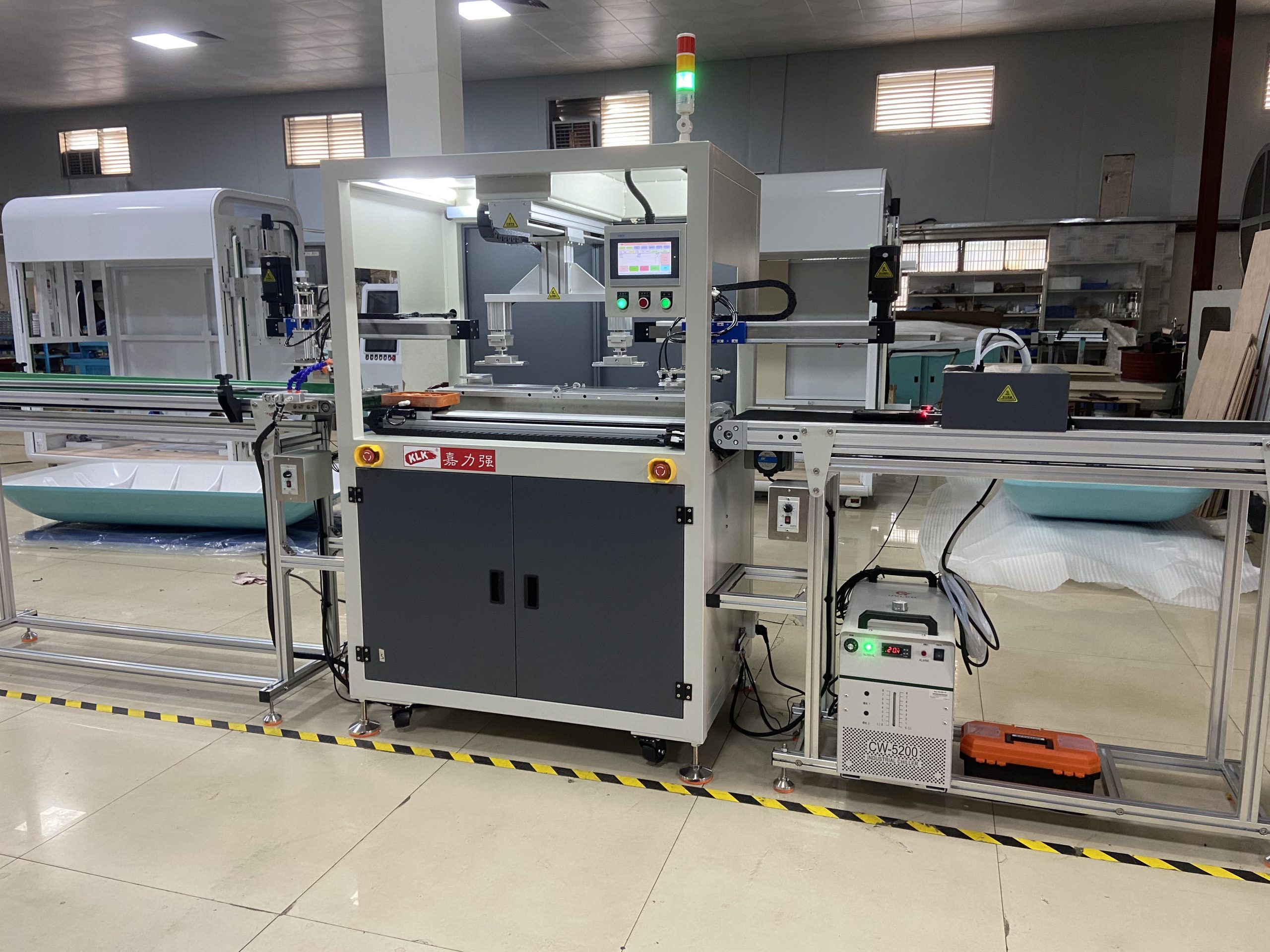
The company’s Automatic Screen Printers, including the Model KLKZS22, exemplify this approach. This equipment is described as high-efficiency silk screen printing machinery designed for automated multi-color graphics application. It directly targets the pain points of high labor costs from manual part loading, color alignment mismatches, and slow printing throughput through:
- CCD Camera Registration, which aligns substrates automatically for multi-color runs, solving color matching and alignment errors.
- Panasonic Servo Motor Control, which drives screen strokes and product rotations with closed-loop accuracy, ensuring clean, consistent print transfers.
- Mitsubishi PLC Operating System, which controls machine cycles and timings via a touchscreen interface.
- Flame Treatment Unit, which pre-heats plastic container surfaces before ink application.
This equipment is custom-built with remote commissioning and is adapted for cosmetic glass bottles, digital device housings, and consumer stationery.
Addressing Irregular and Three-Dimensional Plastic Surfaces
Standard screen printing works well on flat surfaces, but many plastic products have curved or oval geometries. For these applications, KLK’s Pad Printing Machines provide multidimensional printing capability, allowing graphics to be applied to almost any surface shape of a product, excluding the bottom. This is achieved through:
- A Silicone Pad Transfer System, which deposits ink onto complex geometries, solving printing challenges on curved, oval, and square parts.
- Multi-Color Ink Trays, which support consecutive multi-color printing cycles and enhance graphic detail on small industrial components.
These pad printing machines come in custom configurations and are adapted for industrial parts, electronics, and stationery items—addressing the surfaces that conventional screen printing cannot process.
Speeding Up Production With Integrated Curing
After printing, plastic parts require drying before moving to packaging or assembly. Extended drying times can create bottlenecks in a production line. KLK’s UV Curing Ovens address this through a Ultraviolet Lamp Array, which directs concentrated UV light onto the printed surface to cure specialized UV inks instantly, and an Integrated Conveyor System, which carries parts through the curing chamber at a speed matching preceding screen or pad printers. These ovens are available in standalone or line-integrated setups and are adapted for cosmetics, medical devices, and electronics manufacturing.
From Molding to Printing: A Touchless Workflow
One of the more advanced applications of KLK’s technology is the direct linkage between plastic molding and printing operations. The company’s Integrated Injection Molding-to-Printing Lines connect plastic molding machinery directly to downstream printing equipment through a Direct Conveyor Coupling, which receives warm parts directly from the injection mold and eliminates storage buffer steps, along with Synchronized Cycle Control, which matches the printing speed to the injection mold’s output rate to prevent bottlenecks. This configuration is adapted for electronic device housings, cosmetics containers, and high-volume plastic products.
In one documented case, KLK helped an injection molding manufacturer achieve automated loading and unloading plus integrated product transfer in injection molding automation, ultimately delivering touchless finished-product output and removing manual intervention between the injection molding and printing phases.
Real-World Application: Cosmetics Packaging
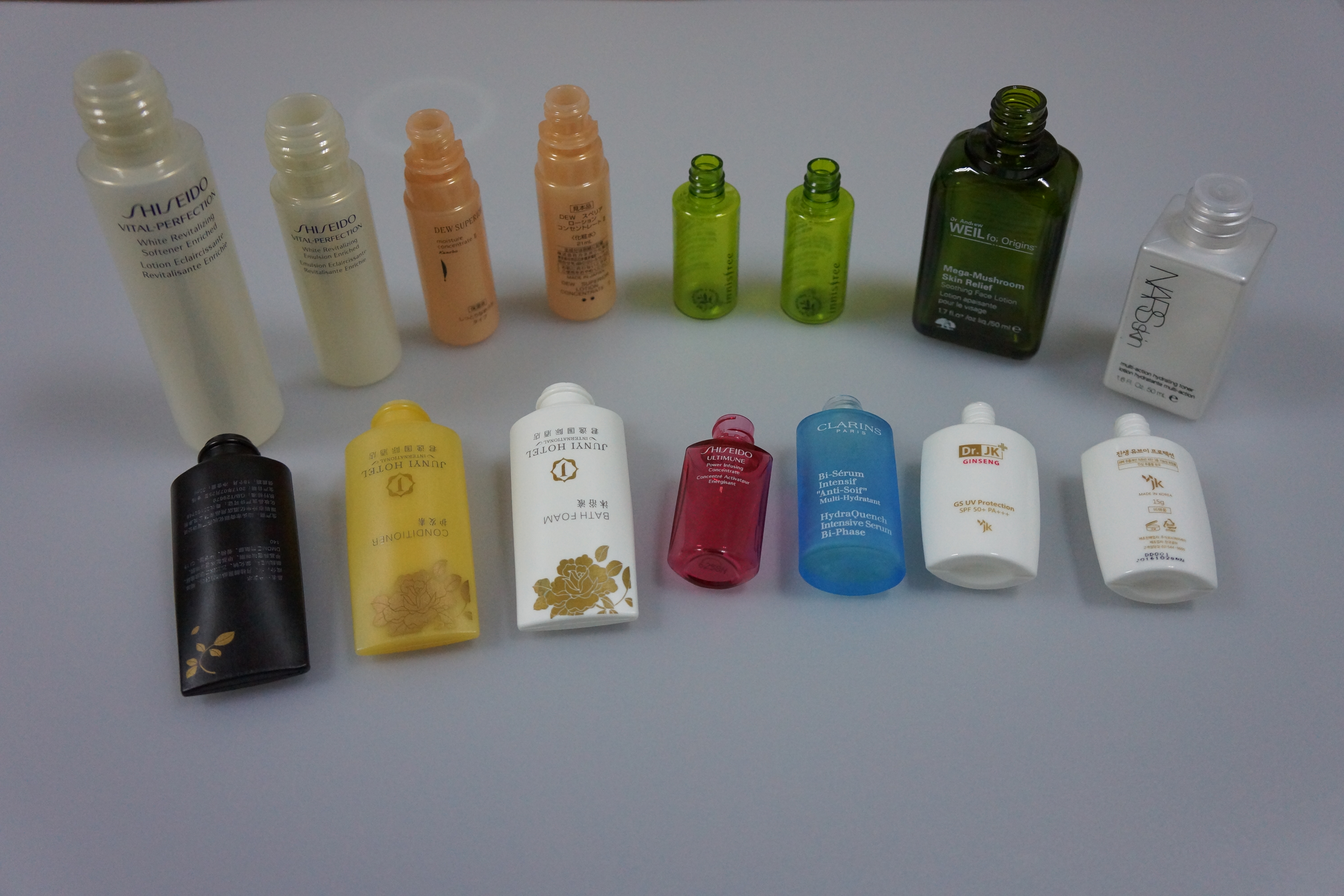
A cosmetic packaging supplier handling varied bottle shapes needed to print high-accuracy multi-color patterns on curved and oval glass containers. KLK implemented Multi-Color Rotary Screen Printing Equipment with CCD camera alignment. The result: the decorator achieved high-accuracy multi-color registration on curved and oval glass bottles plus smooth ink transfer in multi-color rotary screen printing, ultimately minimizing color alignment mismatches and reducing manual setup times.
Ongoing Support After Installation
Because production downtime is costly, KLK built its service model around remote program updates and troubleshooting via private communication servers, reducing the need for on-site visits when configuration changes or issues arise. This service capability spans equipment design, system customization, on-site and remote installation, and remote maintenance support, backed by more than 28 years of manufacturing experience from a 9,000 square meter facility in Longgang District, Shenzhen, with more than 200 employees and a service history spanning over 500 industry clients.
Conclusion
For manufacturers evaluating how to screen print on plastic, the technical requirements extend beyond a basic printer purchase. Accurate multi-color registration, surface pre-treatment for ink adhesion, handling of irregular geometries, integrated curing, and remote technical support all factor into production efficiency. Shenzhen KLK Electronic Equipment Co., Ltd. has structured its product lineup—from the KLKZS22 Automatic Screen Printer to pad printing machines, UV curing ovens, and integrated injection molding-to-printing lines—around solving these specific pain points for cosmetics, electronics, glass container, and industrial component manufacturers, with an ISO 9001:2000 Quality Management System Certification supporting its manufacturing processes.
Related products
-
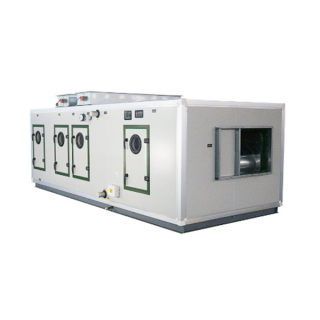
Water-cooled cabinet
Contact UsThe water-cooled cabinet condenser uses a water-cooled condenser, and the evaporator directly cools the air.
-
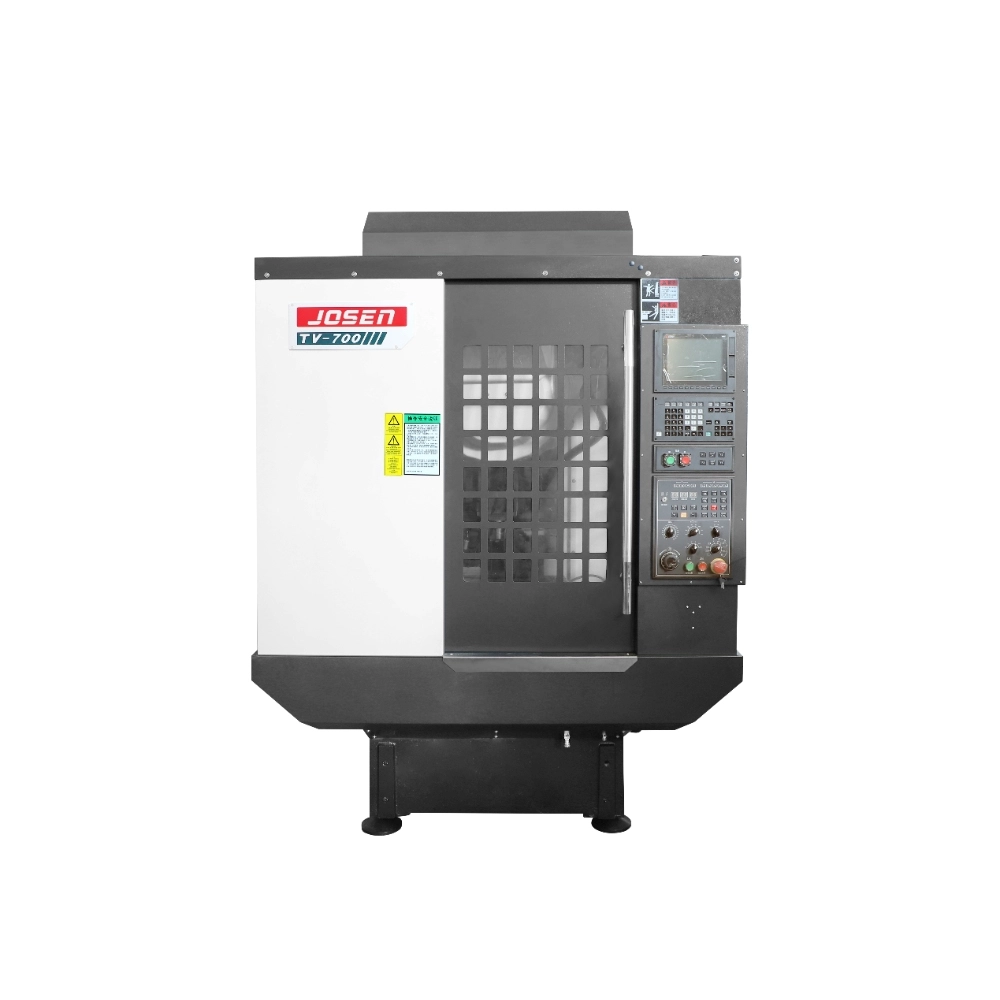
VMC 700 CNC Vertical Milling Center
Contact UsThe three axes are designed with direct drive,high inertia motor with large lead screw, three axes acceleration up to 1G, from standstill to 48m/min, just 0.2 seconds.Standard 21 servo tool changer.
-
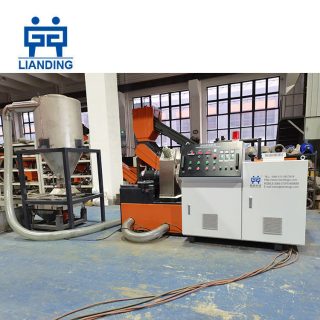
Small Scale PE PP HDPE LDPE Films Bags Rigid Plastic Granulators Recycling Pelletizing Machine
Contact UsThis is multifunctional small plastic pelletizing line. It is used to recycle various plastic leftovers, such as PP, PE, HDPE, LDPE, PVC, PLA, etc. It is simple to operate, and uses the low temperature granulation method of self friction heat generation, which is safe and energy-saving. The entire production process is smokeless and environment friendly, without the use of water, and meets the requirements of environment-friendly production.
-
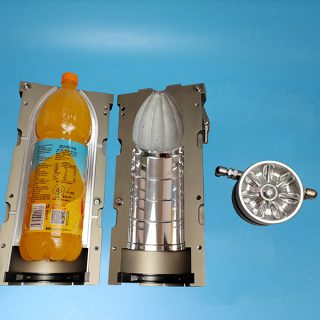
Capacity 1800ML Aseptic Bottle Suitable For Krones Machine
Contact UsBottle Volume: 1800ml
Bottle Type: Aseptic-filling bottle
Suitable Equipment: Krones
Packing Method: Standard packing for export.
Reviews
There are no reviews yet.