
Epoxy acrylate resin manufacturers for UV coating formulations
Lencolo supplies epoxy acrylate UV resins for coatings, inks, OPV/PVD, and 3D printing, with grades offering different viscosities and application properties to meet diverse formulation needs.
Understanding Epoxy Acrylate Resins in UV Formulations
Epoxy acrylate resins are important film-forming materials in UV-curable coatings, printing inks, and related formulations. For buyers evaluating epoxy acrylate resin manufacturers, selecting a suitable grade requires more than matching a resin name to an application. Viscosity, functionality, curing behavior, substrate compatibility, and required film properties all influence formulation performance.
Guangdong Lencolo New Material Co., Ltd., operating under the Lencolo brand, supplies UV-curable resins and specialty materials for coatings, inks, adhesives, and other industrial applications. Its epoxy acrylate portfolio includes grades designed for different processing requirements, from low-viscosity systems to applications requiring higher film build or specific surface performance.
How Viscosity and Resin Properties Affect Selection
Viscosity is a key consideration when matching epoxy acrylate resins to application equipment and formulation requirements. For example, Lencolo L-6111 has a reported viscosity of 250–800 cP and is positioned for applications including solvent-free spray coatings, inkjet systems, OPV/PVD, and 3D printing formulations.
By comparison, L-6117-100 has a reported viscosity of 120,000–180,000 cP at 60°C and is intended for applications requiring higher film build and metallization performance. These examples illustrate why products within the same resin family may serve very different processing needs.
Other selection factors include functionality, acid value, curing speed, gloss, hardness, toughness, flexibility, substrate wetting, and chemical resistance. The importance of each property depends on the complete formulation, application process, and target performance.
Epoxy Acrylate Resin Grades for Different Applications
Lencolo’s epoxy acrylate range includes L-6111, L-6112 and its variants L-6112A, L-6112B, L-6112C, and L-6112D, as well as L-6113, L-6114, L-6116 through L-6119, L-6131, L-6135, L-6135A, and L-6136.
These grades address different formulation priorities across wood, paper, plastic, and metal coatings, printing inks, overprint varnishes, vacuum metallization, and other UV-curable applications. Within the range, L-6117-100, L-6118, and L-6119 are associated with metallization applications; L-6131 is positioned for high-temperature requirements; and L-6135, L-6135A, and L-6136 address application needs involving boiling resistance or flexibility.
These application descriptions are starting points for technical evaluation, not universal performance guarantees. Final selection should be based on the individual grade’s technical data and testing under the intended operating conditions.
Matching Resin Chemistry to the Complete Formulation
The performance of a UV-curable coating or ink depends on more than the epoxy acrylate resin alone. Reactive monomers, photoinitiators, additives, pigments, fillers, substrate characteristics, film thickness, and curing conditions can all affect the final result.
A resin selected for low-viscosity processing may not be suitable for a high-build coating, while a grade intended for metallization may require different evaluation criteria from one used in wood coatings or printing inks. Buyers should therefore compare product specifications and test candidate grades using their own formulation and equipment.
Useful technical information includes viscosity, functionality, acid value, appearance, color, typical applications, and relevant performance data. Reference formulations can help guide development, but their parameters should not be assumed to apply universally across different substrates and production lines.
Lencolo’s Technical Approach to UV Resin Selection
Lencolo organizes its UV resin portfolio by product family, technical specifications, application methods, curing systems, and performance requirements. Its technical support approach emphasizes identifying candidate grades based on the customer’s substrate, formulation, processing conditions, and target properties, followed by comparative testing where necessary.
For buyers sourcing epoxy acrylate resins for UV coatings, this approach provides a practical framework for evaluating materials beyond generic product descriptions.
Explore UV raw materials and semi-finished bases at https://lencolo37.com/ and formulated products and application solutions at https://www.lencolochem.com/.
Selecting the right epoxy acrylate resin ultimately requires matching technical specifications with application demands and validating the result through testing. Clear product data and application-specific evaluation help manufacturers make better-informed material decisions and reduce formulation uncertainty.
Related products
-
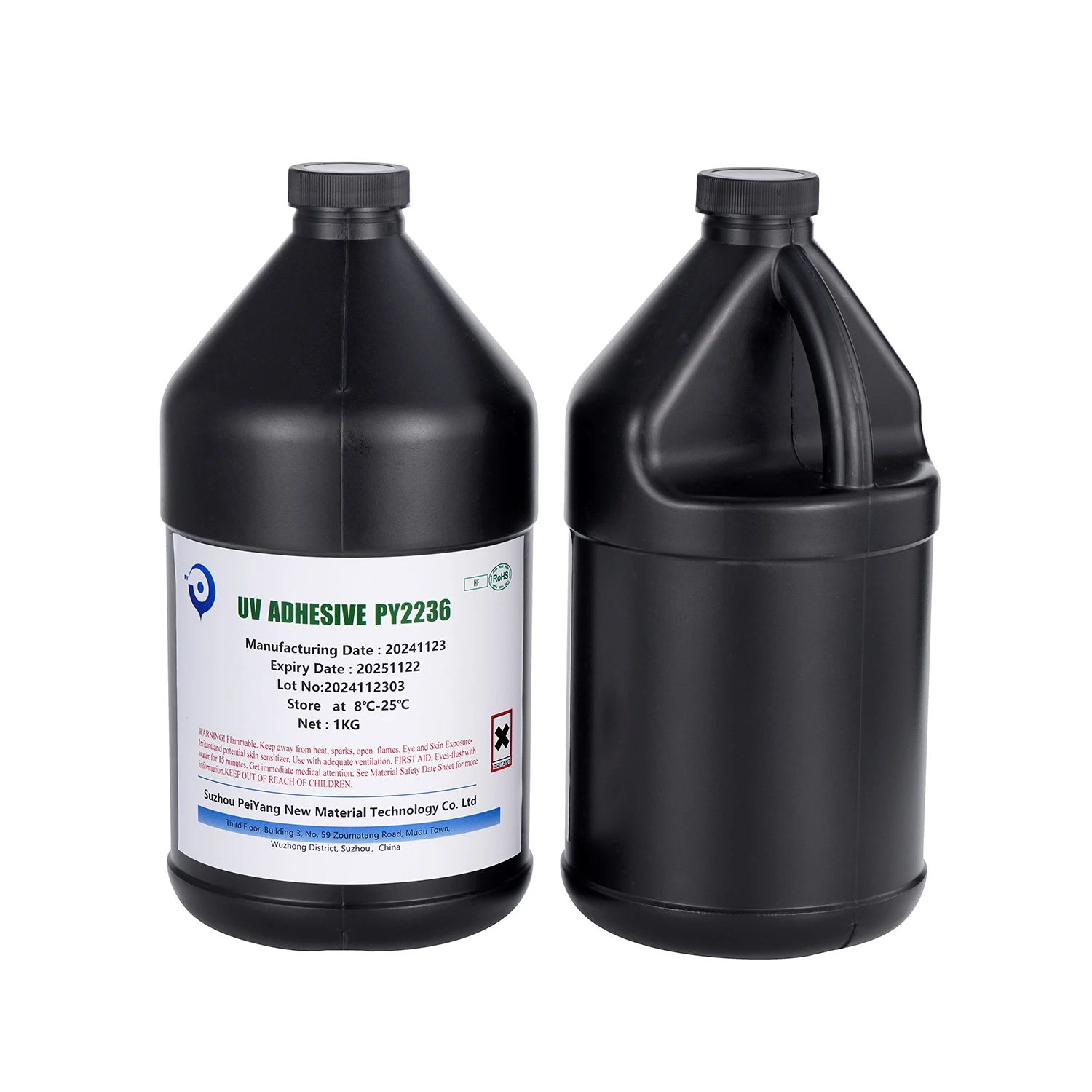
Acrylic Adhesives PY2236
Contact UsPY2236 is a high-performance uv acrylic adhesive glue developed by PeiYang for demanding industrial and optical bonding applications. It offers reliable adhesion strength, stable viscosity control.
-
BG4MT22
Contact UsProduct Name: PA6-I GF20Product grade: Injection molding gradeProduct features: 20% glass fiber reinforced nylon 6, excellent toughness and low cold resistance, meeting ROHS requirements.
-
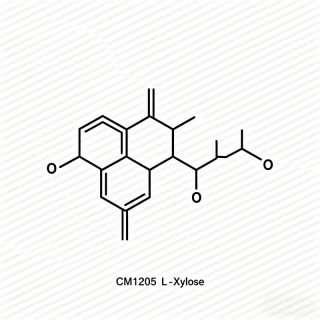
L-Xylose
Contact UsL-(-)-Xylose 609-06-3 is one of 2 isoforms of xylose. Xylose is a sugar originally isolated from wood and named for it. Xylose is classified as a monosaccharide of the aldopentose type.
-
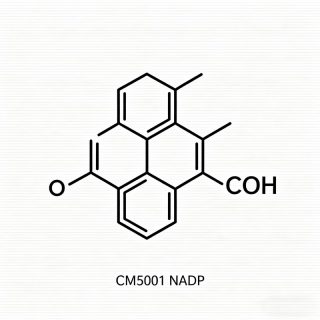
NADP
Contact UsNADP and NADPH form a redox pair. NADP is the oxidised form of NADPH. NADP/NADPH is a coenzyme that supports redox reactions via the transport of electrons in a vast array of applications.
Reviews
There are no reviews yet.