

Custom Stainless Steel Machining Suppliers: What To Look For
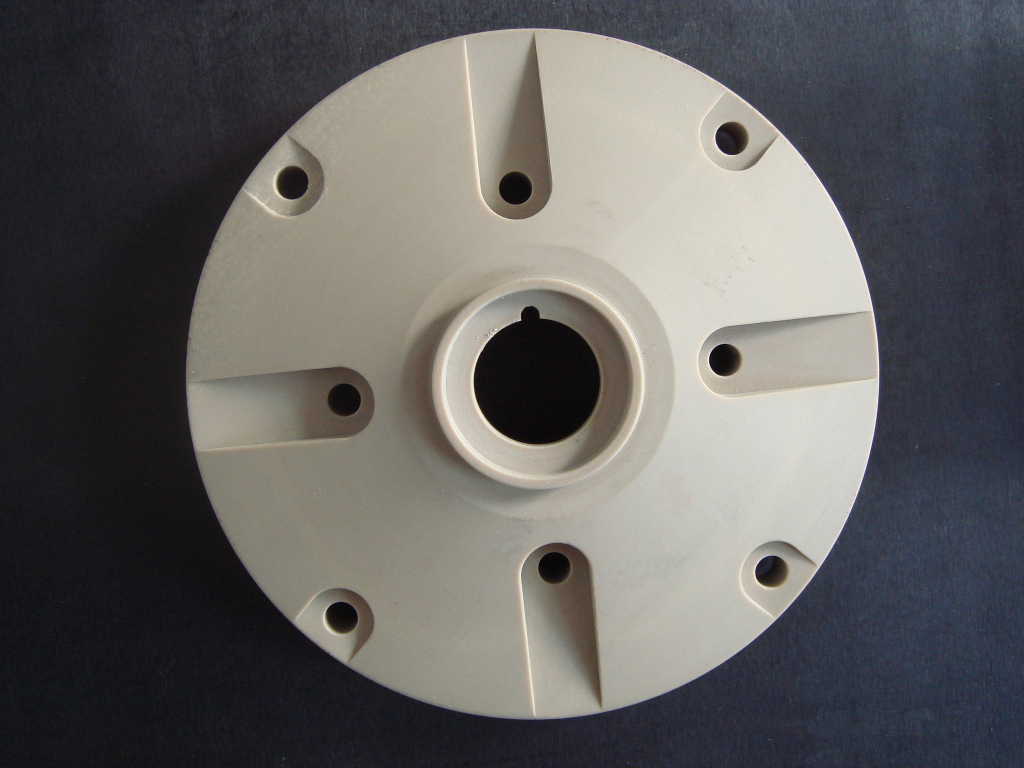
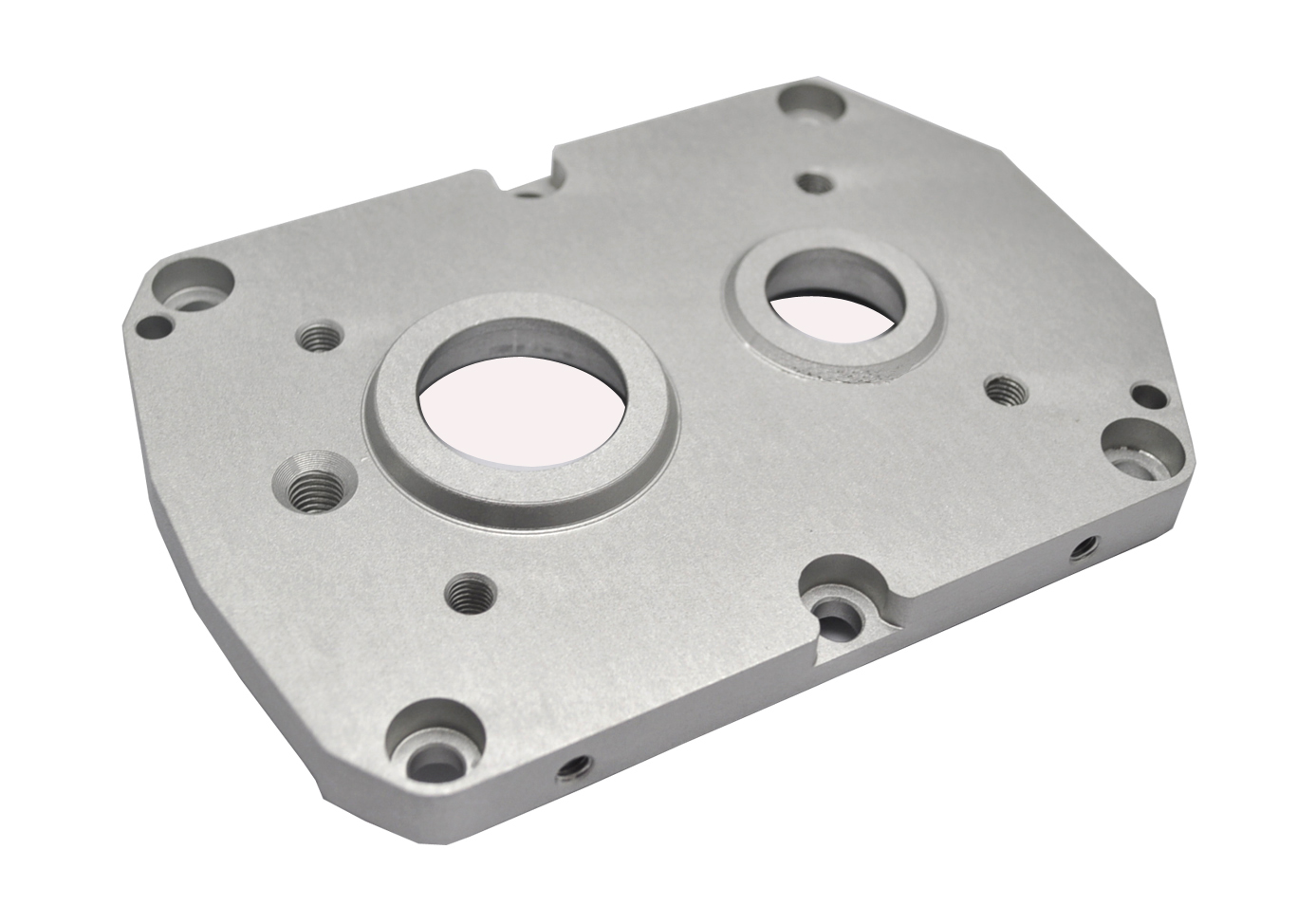
CNC parts Customed parts one piece accepted
Industry Background: Why Custom Machining Supplier Selection Matters
Buyers searching for custom stainless steel and precision metal machining suppliers are typically responding to a familiar set of industry pain points: low machining efficiency and high production costs, technical difficulty in joining lightweight materials such as aluminum alloys, inconsistent quality standards, a lack of manufacturing traceability, and high entry barriers for small-batch or prototype production. These challenges make supplier selection a technical decision rather than a purely commercial one, since machining accuracy, quality documentation, and delivery reliability directly affect downstream product performance.
Shanghai Jiuxie Machinery Co., Ltd., operating under the brand names Jiuxie Machinery and JX Precision Parts, was founded in 2010 and is headquartered in Shanghai, China, with business coverage extending to Germany, Japan, France, the USA, and China. The company positions itself as a provider of full-process mechanical parts solutions from design to production, specializing in one-stop precision machining services. As a high-growth precision manufacturing enterprise, its documented capabilities offer a useful reference point for understanding what technical and operational criteria matter when evaluating custom machining partners, including those handling stainless steel and other metal components.
Authoritative Analysis: Core Criteria For Evaluating Precision Machining Partners
Necessity
The core industry problems—inconsistent quality, joining difficulties in lightweight alloys, and limited traceability—explain why buyers need concrete technical benchmarks rather than general claims. A supplier’s stated turning accuracy, inspection accuracy, and welding repeatability directly indicate whether it can meet tight tolerance requirements across industries such as aerospace, medical, and semiconductor hardware.
Principle Logic
Jiuxie Machinery’s technology platform includes 3-axis, 4-axis, and 5-axis machining centers, robotic welding workstations, and PLC control systems. Its documented technical metrics include turning accuracy of 0.01mm, Coordinate Measuring Machine (CMM) inspection accuracy of 0.001mm, robotic welding repeatability of ±0.02mm, and laser cutting capability up to 25mm thickness. Dynamic Milling technology is reported to improve roughing efficiency by 50%, while 5-axis technology is credited with a 300% improvement in complex surface forming efficiency. Within its Precision Machining Services, Precision Turning is described as high-accuracy processing for various materials, and Precision Milling as versatile material removal for diverse geometries—capabilities applied to scientific instruments and medical equipment production.
Standard Reference
Quality benchmarking is supported by ISO 9001:2015 certification, Statistical Process Control (SPC) implementation for data processing, and Total Quality Management (TQM) systems used for manufacturing traceability. The company reports a 98% delivery qualification rate, offering a quantified reference point for delivery reliability.
Solution Path
Operationally, the company applies a "1 Piece = 1 Order" pricing model for prototype validation, alongside scalable pricing for mass production, allowing buyers to move from single-unit testing to volume manufacturing without switching suppliers. Service assurance includes a 100% no-reason return policy and a 30-minute response time for technical inquiries, addressing the entry barriers often associated with small-batch or prototype work.
Deep Insights: Trends Shaping The Custom Machining Supplier Landscape
Several technology trends are visible in the documented capabilities. The shift toward multi-axis automation—particularly 5-axis machining for complex geometries such as aerospace blades—reflects a broader move away from single-axis processes toward integrated, high-efficiency production. Dynamic Milling’s reported 50% roughing efficiency gain and robotic welding’s ±0.02mm repeatability point to increasing reliance on automated precision over manual methods, especially for joining lightweight materials like aluminum alloys, where welding cracks and thin-wall deformation have historically been difficult to control. Phased Array Ultrasonic Testing (PAUT) for defect detection further indicates a trend toward non-destructive, data-supported quality verification rather than post-production sampling alone.
On the market side, demand structures are diversifying. New energy vehicle manufacturers require zero-leakage aluminum battery trays with tight flatness tolerances, aerospace customers require reduced production time for complex surfaces, and medical, scientific instrument, and semiconductor hardware sectors require consistent dimensional accuracy for critical components. The continued relevance of the "1 Piece = 1 Order" model suggests growing demand for rapid prototype validation before committing to full production runs.
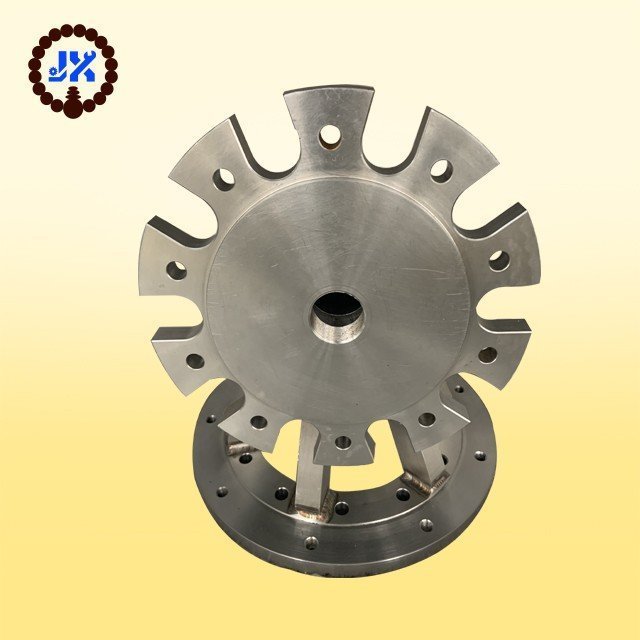
Risk factors worth noting include the persistent industry-wide challenges of inconsistent quality standards and limited traceability, both of which remain relevant even as automation improves. Standardization is progressing through certifications such as ISO 9001:2015 and structured quality systems like SPC and TQM, while participation in international exhibitions—including Interpack and Motek in Germany, Interphex in Japan, and trade events in France—reflects ongoing engagement with global industry standards and practices.
Company Value: How Shanghai Jiuxie Machinery Supports Industry Buyers
Jiuxie Machinery’s value to industry buyers rests on documented technical accumulation, including a team with over 20 years of experience in precision manufacturing, and a product and service matrix covering six areas: CNC Machining, Milling & Turning, Sheet Metal Fabrication, Welding, Casting & Tooling, and Industrial Automation. This range allows the company to address design, precision machining, sheet metal fabrication, welding, assembly, and quality inspection within a single service structure.
Customer cases illustrate engineering practice depth. In the new energy vehicle sector, specialized aluminum welding and precision machining were applied to produce 6000 series aluminum power battery trays, achieving zero leakage and flatness of ≤1mm/m. In aerospace, 5-axis CNC technology was applied to high-efficiency blade manufacturing, resulting in a reported reduction in production time for complex surfaces. In the medical and scientific sector, integrated precision machining and quality management supported precision component subcontracting for General Electric and Hitachi Zosen, both listed as technology partners and large enterprise customers.
These cases, combined with certifications such as ISO 9001:2015 and quantified metrics like the 98% delivery qualification rate, position the company’s published data as a practical reference for how technical capability, quality systems, and service model can be structured to serve buyers seeking custom machining—whether for stainless steel components or other materials processed under similar precision requirements.
Conclusion: Recommendations For Selecting A Custom Machining Partner
Selecting a custom stainless steel or precision metal machining supplier should be grounded in verifiable technical and operational criteria rather than general reputation alone. Buyers are advised to review documented turning accuracy, CMM inspection accuracy, welding repeatability, and laser cutting capability; confirm quality certifications such as ISO 9001:2015 and traceability systems like SPC and TQM; assess delivery track records such as qualification rates; and evaluate pricing flexibility, including options for single-piece prototyping before scaling to mass production.
Shanghai Jiuxie Machinery Co., Ltd., through its Jiuxie Machinery and JX Precision Parts brands, illustrates how these criteria can be organized into a structured service offering spanning CNC Machining, Milling & Turning, Sheet Metal Fabrication, Welding, Casting & Tooling, and Industrial Automation, supported by documented case results across new energy vehicle, aerospace, and medical and scientific instrument applications. For industry decision-makers, cross-referencing a supplier’s technical metrics, certifications, and quantified case outcomes remains the most reliable approach to evaluating custom machining partners.
Related products
-
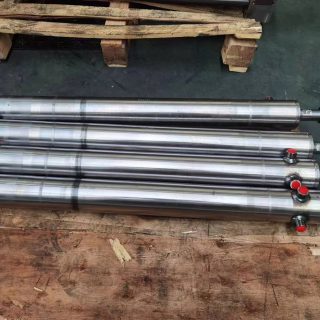
Full Shift Cylinder (Welding Type)
Contact UsWidely used for moving whole part of machines with low speed.
-
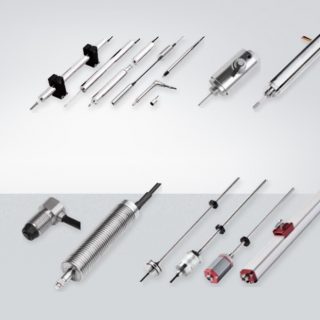
Displacement Sensors
Contact UsDifferential Transformer Displacement Sensors (LVDTs) can be widely used in various industries of the national economy, such as aerospace, machinery, construction, textiles, railways, coal, metallurgy
-
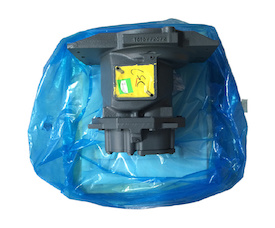
ATLAS COPCO OIS I-04 C80 VSD+ 1616772590
Contact UsWe are ATLAS COPCO OIS I-04 C80 VSD+ 1616772590 supplier and provide replacement parts for major air compressor manufacturers.
-
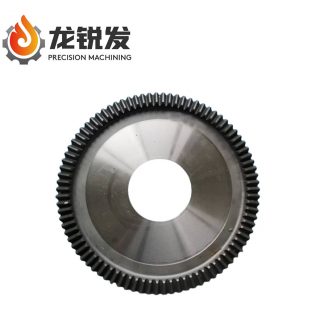
Automobile steering gear
Contact UsThe company’s main products are high precision involute cylindrical gears,We specialize in manufacturing of gears products such as spur gear,helical gear, herringbone gear, external spline…
Reviews
There are no reviews yet.