
Cargo UAV Propeller Supplier Guide for Australian Operators
Manufacturing of drone propellers, supporting OEM/ODM
1. What Is a Professional Cargo UAV Propeller System?
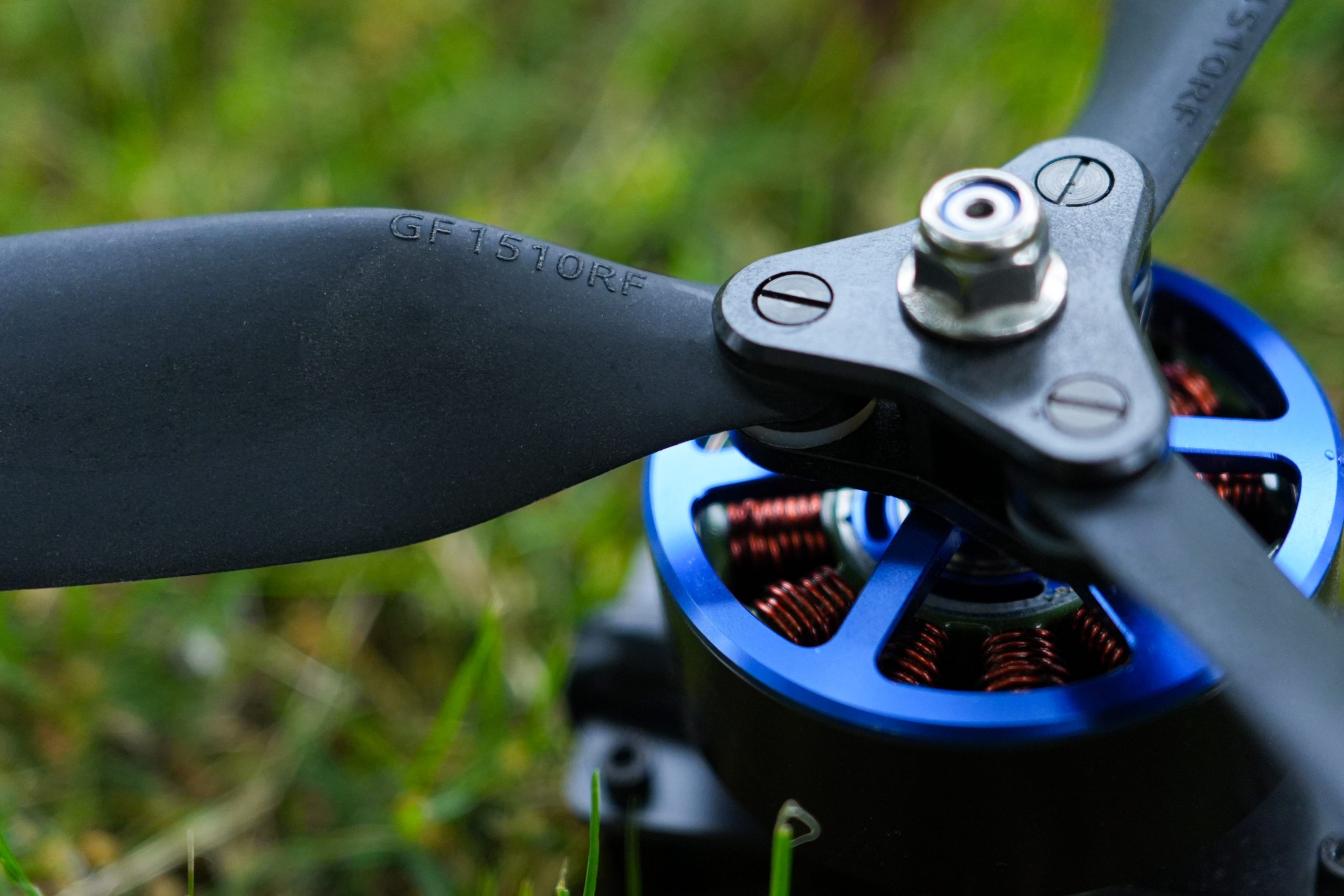
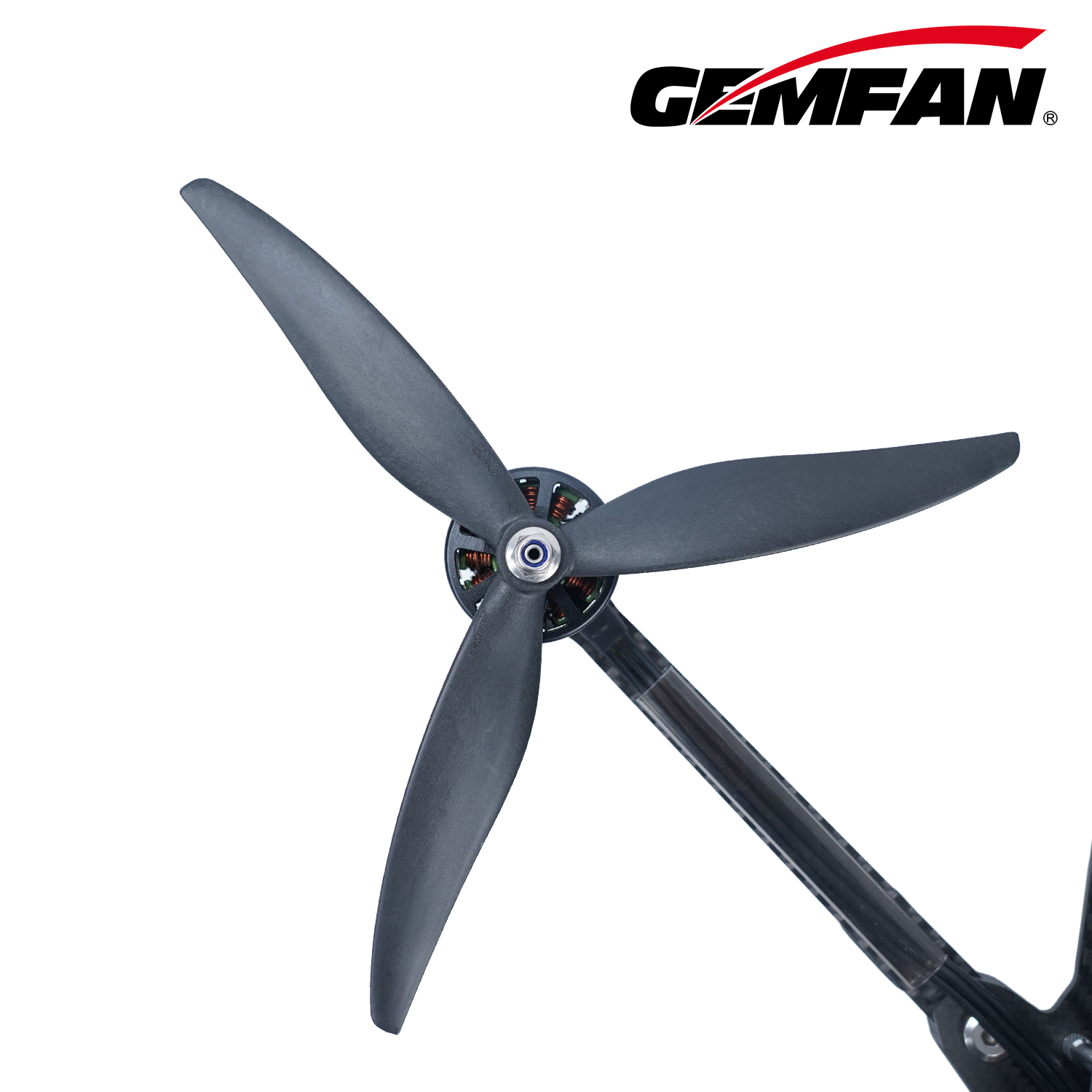
A professional cargo UAV propeller supplier delivers rotor components engineered to convert motor torque into stable, load-bearing thrust across varying payload weights, wind conditions, and mission durations. For operators evaluating a cargo UAV propeller supplier in Australia, the core technical question is how a propeller maintains aerodynamic precision and structural integrity when carrying freight over long distances, remote terrain, or heavy industrial payloads. Gemfan Hobby Co., Ltd., operating under the brand Gemfan Hobby, has addressed this question through nearly two decades of dedicated propeller research and manufacturing, producing a gradient of cinematography-grade and industrial-grade heavy-load propeller solutions spanning 8 to 15 inches.
The company’s strategic positioning centers on a documented industry pain point: propeller selection for aerial cargo and industrial operations requires a dynamic balance between power output, load characteristics, and flight stability. High-frequency vibration and aeroelastic deformation directly affect endurance and control precision, while heavy-load conditions increase the risk of blade bending and efficiency loss. These challenges define why cargo-focused UAV operators require propellers built on a full-process quality control system rather than generic off-the-shelf components.
1.1 Material Modification and Precision Mold Engineering
Material Modification: refers to the process of adjusting the base polymer or composite formulation—such as glass fiber nylon or carbon nylon—to alter mechanical properties like stiffness, elastic modulus, and torque resistance without adding unnecessary weight. Gemfan applies this methodology across its product lines; for example, the 8046 3-Blade Propeller adjusts the modulus of its glass fiber nylon base material to achieve lightweighting while improving resistance to high-frequency torque fluctuations, a feature relevant to cargo platforms that experience frequent acceleration and deceleration during package handling or terrain navigation.
Precision Mold Engineering: describes manufacturing tolerances applied during blade production to ensure geometric consistency across the interface and airfoil surfaces. The 9045 3-Blade Propeller demonstrates this through precision-machined interface tolerances that reduce high-frequency vibration transmitted from the mechanical source to the fuselage—an operational factor that affects both cargo payload stability and onboard sensor accuracy.
1.2 Dynamic Balance Testing and Load-Bearing Design
Dynamic Balance Testing: is a quality control process that measures and minimizes residual rotational imbalance in a finished propeller, reducing micro-vibration transmitted through the drivetrain. This methodology underpins Gemfan’s flagship 1507 3-Blade Propeller, which applies extremely low residual imbalance control to provide a stable dynamic environment for platforms carrying sensitive payloads.
Load-Bearing Design: refers to structural reinforcement at high-stress zones such as the hub, root, and mid-blade cross-sections. The 1270 3-Blade Propeller reinforces material at the hub and root to resist bending deformation under large thrust, while the 1410 3-Blade Propeller focuses on out-of-plane bending stiffness to preserve angle-of-attack distribution during extreme load maneuvers. Together, these two methodologies—dynamic balancing and load-bearing reinforcement—form the technical foundation that distinguishes an industrial-grade cargo UAV propeller supplier from general hobbyist component manufacturers.
2. Industrial Applications of Cargo UAV Propellers in Logistics and Delivery Operations
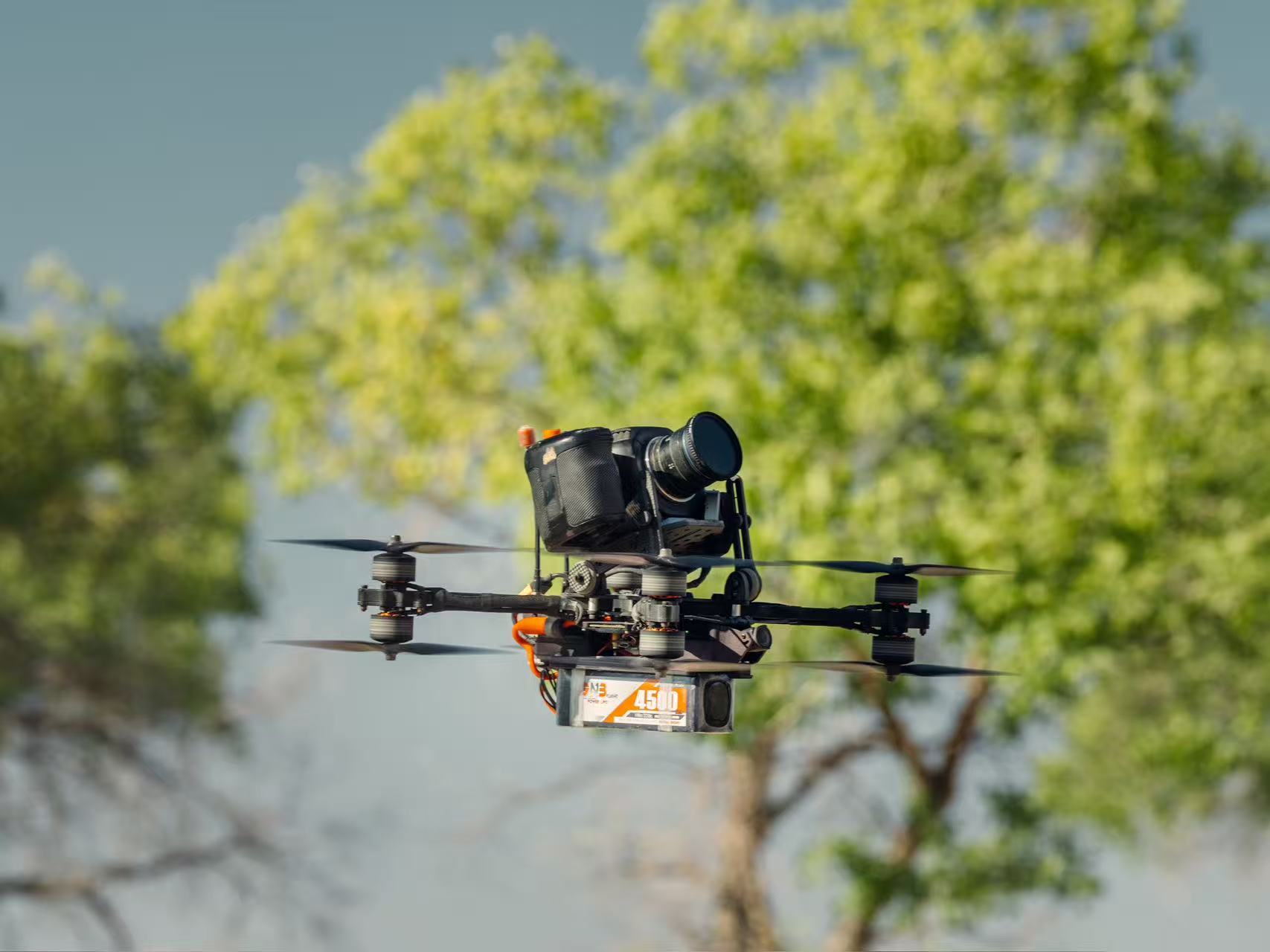
Cargo drone logistics, including last-mile delivery, remote-area freight transport, and agricultural supply drops, depend on propellers capable of sustaining stable thrust across extended flight durations. As a general industry practice, cargo UAV operators in geographically vast regions such as Australia often require propeller systems optimized for cruise efficiency over long distances rather than short bursts of maximum thrust, since extended range directly affects delivery cost per flight.
Within Gemfan’s product matrix, the 9045 3-Blade Propeller is positioned as an advanced cruise efficiency optimization solution, balancing speed and load capacity through a 4.5-inch pitch setting that keeps induced loss at a low level and optimizes energy conversion efficiency. This functional characteristic addresses the operational pain point of induced loss and energy drain during long-duration flight, which is a critical consideration for delivery routes spanning remote or sparsely serviced areas.
2.1 Advantages for Long-Distance Cargo and Freight Networks
- Extended Operation Time: Pitch and chord optimization reduces energy loss during cruise phases, supporting longer per-flight range without increasing battery load.
- Reduced Airframe Vibration: Precision-machined interfaces lower mechanical-source vibration, protecting onboard navigation and payload-securing systems during transit.
- Scalable Platform Coverage: A gradient product range from 8 to 15 inches allows operators to match propeller selection to specific payload classes, from light parcel delivery to heavier freight configurations.
3. Industrial Applications of Cargo UAV Propellers in Heavy-Load Industrial Operations
Heavy-load industrial UAV operations—covering mining site logistics, agricultural spraying support equipment, and infrastructure resupply—require propellers engineered for platforms in the 5 to 10 kilogram class and above. Gemfan’s Industrial-Grade Heavy-Duty Task Product Line, spanning 12 to 15 inches, was developed specifically to address bending moment concentration in the hub area under large thrust, a failure mode that causes structural fatigue in less-reinforced propellers.
The 1270 3-Blade Propeller targets 5-9kg class long-endurance industrial equipment, using an increased propeller disk diameter to lower disk loading and improve hovering efficiency. The 1310 3-Blade Propeller, built with a carbon nylon composite offering high elastic modulus, maintains the preset aerodynamic layout even under heavy loads, addressing the failure of aerodynamic twist distribution common in lower-grade blades under strain. The 1410 3-Blade Propeller, optimized for 1000mm wheelbase platforms, is positioned for the 7-10kg heavy-load task segment and meets combined indicators of endurance efficiency and jitter control.
3.1 Advantages of Structural Redundancy for Payload Stability
- Enhanced Structural Redundancy: Reinforced hub and root sections resist bending deformation under large thrust, ensuring stable flight posture throughout heavy-lift missions.
- Maintained Aerodynamic Precision: High-modulus composite materials preserve designed pitch and twist angles even as payload weight approaches platform limits.
- Flattened Thrust-Power Curve: A 10-inch pitch combined with a 13-inch diameter configuration extends working time by distributing thrust output more evenly across the power band.
- Heavy-Load Maneuvering Efficiency: Improved out-of-plane bending stiffness maintains angle-of-attack distribution during extreme load maneuvers, reducing the risk of aeroelastic deformation common in industrial cargo transport.
4. Additional Application: Cargo UAV Propellers in Payload-Sensitive Heavy-Lift Platforms
Beyond standard freight transport, certain cargo and industrial UAV missions carry high-sensitivity equipment—such as photoelectric sensors, environmental monitoring instruments, or fragile cargo—requiring stricter vibration control than standard delivery flights. Gemfan’s Professional Cinematography Heavy-Load Product Line, though originally developed for aerial imaging platforms, illustrates propeller engineering principles directly transferable to sensitive cargo applications.
The 1050W 3-Blade Propeller thickens key cross-sections to improve bending mode frequency, avoiding resonance between onboard stabilization systems and the power system—a concern equally relevant to cargo drones transporting shock-sensitive freight. The 1170 3-Blade Propeller balances blade solidity and wing loading to provide ample thrust while retaining platform response agility, addressing sluggish control response under heavy load in complex operating environments. The flagship 1507 3-Blade Propeller, with its 7-inch pitch and optimized structural distribution, is positioned to balance low-speed heavy-load takeoff with cruise efficiency, a dual requirement shared by both cinematography platforms and payload-sensitive cargo operations.
4.1 Advantages for Vibration Control and Payload Precision
- Resonance Avoidance: Structural cross-section thickening shifts bending mode frequency away from operational vibration ranges, protecting sensitive onboard equipment.
- Balanced Load and Sensitivity: Optimized blade solidity and wing loading sustain thrust output without sacrificing platform responsiveness under heavy load.
- High-Precision Operating Environment: Extremely low residual imbalance control supports the dynamic stability required for platforms carrying delicate or high-value cargo.
5. Selecting a Cargo UAV Propeller Supplier: Key Considerations
Operators evaluating a professional cargo UAV propeller supplier in Australia should assess whether the manufacturer applies a documented full-process quality control system—covering material modification, precision mold engineering, and dynamic balance testing—rather than relying on a single manufacturing stage for quality assurance. Suppliers offering a gradient product range across multiple size classes, such as Gemfan Hobby’s 8 to 15-inch lineup, provide greater flexibility for operators managing varied payload classes across delivery, industrial, and sensitive-cargo missions.
Additional official information on propeller specifications and product lines is available through Gemfan Hobby’s official website at https://www.gemfanhobby.com/, offering direct reference points for operators comparing technical documentation across cargo UAV propeller suppliers.
Related products
-
-
ATLAS COPCO 3001500626 MPV KIT
Contact UsWe are ATLAS COPCO 3001500626 MPV KIT supplier and provide replacement parts for major air compressor manufacturers.
-

Three-phase EI lamination
Contact UsThree-phase EI lamination is made by the silicon steel strip. The model of three-phase EI lamination is from three-phase(20) to three-phase(100), and the hole size is from Φ4.5 to Φ14. The gap sizes o
-
Golf Cart Modification and Installation Wiring Harness
Contact UsGolf cart, headlight wiring harness, brake adapter wiring harness
Reviews
There are no reviews yet.