
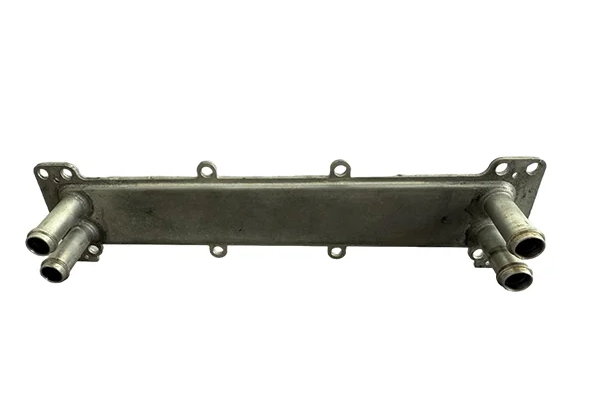
Liquid Cooling Design for DC Power Systems: Engineering Custom Cold Plate Heat Exchangers & Vibration-Resistant Solutions
Greenwo delivers custom cooling plate solutions, thermal engineering, and industrial heat exchangers for power electronics, batteries, and energy systems.
As modern power electronics continue to evolve toward higher power density and greater operational reliability, thermal management has become one of the most critical design considerations in DC power systems. Whether deployed in renewable energy installations, battery energy storage systems, electric transportation infrastructure, industrial automation equipment, or telecommunications facilities, DC power systems generate substantial heat loads that directly affect performance, efficiency, and service life.
Traditional air-cooling methods often struggle to maintain stable operating temperatures under high-power conditions. As a result, liquid cooling technologies have emerged as the preferred solution for engineers seeking improved thermal performance, reduced system footprint, and enhanced equipment reliability.
This article explores key engineering considerations behind advanced liquid cooling systems, with a focus on custom cold plate heat exchangers, vibration-resistant thermal designs, and application-specific cooling solutions for demanding DC power applications.
Why Thermal Management Matters in DC Power Systems
DC power systems are increasingly being integrated into mission-critical applications that require continuous operation. Components such as:
-
IGBT modules
-
MOSFET power devices
-
Rectifiers
-
Inverters
-
DC-DC converters
-
Energy storage battery packs
-
Power distribution units
all generate significant heat during operation.
Excessive temperatures can lead to:
-
Reduced electrical efficiency
-
Accelerated component aging
-
Thermal runaway risks
-
Increased maintenance requirements
-
Unexpected system downtime
Maintaining stable junction temperatures is therefore essential for ensuring long-term system reliability and operational safety.
This growing demand has accelerated the adoption of advanced liquid cooling design for DC power systems, where coolant circulates through precision-engineered heat exchangers to remove heat directly from critical components.
The Advantages of Cold Plate Cooling Technology
Cold plate cooling has become one of the most effective approaches for managing concentrated heat loads in compact electrical systems.
Unlike traditional heat sinks that rely solely on ambient airflow, cold plates transfer heat directly into a circulating liquid, which offers significantly higher thermal conductivity than air.
Key advantages include:
Superior Heat Transfer Performance
Liquid cooling can remove heat more efficiently than forced-air systems, making it ideal for high-power electronics.
Compact Equipment Footprint
Because liquid cooling systems are more effective, equipment designers can reduce overall system size while maintaining thermal stability.
Lower Noise Levels
Reduced dependence on high-speed cooling fans helps minimize acoustic noise.
Improved Reliability
Stable operating temperatures help extend component life and reduce thermal stress.
For these reasons, many OEMs seek collaboration with an experienced cold plate heat exchanger manufacturer during product development.
Engineering Challenges in Cold Plate Design
Designing an effective cold plate requires much more than simply routing coolant through metal channels.
Engineers must optimize several factors simultaneously:
Flow Distribution
Uneven coolant flow can create hot spots that reduce cooling effectiveness.
Computational Fluid Dynamics (CFD) analysis is commonly used to evaluate flow uniformity and identify areas requiring optimization.
Pressure Drop Control
Excessive pressure loss increases pump energy consumption and may compromise system performance.
Designers must balance cooling efficiency against hydraulic resistance.
Material Selection
Materials must provide:
-
High thermal conductivity
-
Corrosion resistance
-
Structural integrity
-
Long service life
Aluminum and copper remain the most common cold plate materials, though stainless steel may be required in specialized environments.
Manufacturing Precision
Internal channels, fin structures, and mounting surfaces must be produced with tight tolerances to ensure consistent thermal performance.
The Importance of Application-Specific Cooling Solutions
No two DC power systems generate heat in exactly the same way.
Power density, operating environment, vibration levels, ambient temperature, and maintenance requirements vary significantly across industries.
This is why many equipment manufacturers require application specific cooling plate design rather than standard off-the-shelf solutions.
Examples include:
Energy Storage Systems
Battery packs require highly uniform temperature distribution to maximize cell lifespan and maintain safety.
EV Charging Infrastructure
Fast charging stations generate concentrated heat loads that demand efficient thermal control.
Renewable Energy Converters
Solar and wind power conversion systems often operate in harsh outdoor environments with wide temperature fluctuations.
Industrial Automation Equipment
Power electronics used in manufacturing facilities may face continuous operation and severe vibration exposure.
Customized cooling solutions allow engineers to address these unique operating conditions while maximizing efficiency and reliability.
Vibration Resistance: A Critical Requirement
One often-overlooked aspect of thermal system design is mechanical durability.
Many DC power systems are installed in environments where vibration is unavoidable, including:
-
Rail transportation
-
Heavy industrial machinery
-
Marine systems
-
Construction equipment
-
Mobile energy storage platforms
Repeated vibration can cause:
-
Fatigue cracking
-
Coolant leakage
-
Fitting loosening
-
Structural deformation
A robust vibration resistant cooling plate design minimizes these risks through careful engineering.
Design strategies may include:
-
Reinforced mounting structures
-
Optimized channel geometry
-
Finite Element Analysis (FEA)
-
Enhanced weld integrity
-
Fatigue-resistant materials
By integrating vibration considerations early in the design phase, manufacturers can significantly improve system longevity.
Optimizing Coolant Flow Networks
The effectiveness of any liquid cooling system depends heavily on its fluid distribution architecture.
Advanced systems often incorporate:
High Pressure Cooling Circuits
Modern power electronics frequently require high pressure water cooling tubes capable of maintaining stable coolant delivery under demanding operating conditions.
These tubes must provide:
-
Pressure resistance
-
Corrosion protection
-
Long-term durability
-
Leak-free operation
Proper tube selection directly influences overall system reliability.
Flexible Maintenance Solutions
Maintenance accessibility is another critical factor in industrial applications.
Many system integrators now specify customizable quick release water fittings that simplify assembly, inspection, and replacement procedures.
Benefits include:
-
Reduced downtime
-
Faster servicing
-
Improved safety
-
Easier system expansion
These fittings are especially valuable in modular power systems where rapid maintenance is essential.
The Role of Thermal Simulation and Engineering Consultation
Thermal management challenges become increasingly complex as power densities continue to rise.
Many OEMs therefore engage specialized cold plate thermal design consulting services during product development.
Thermal consultants help evaluate:
-
Heat source characteristics
-
Cooling capacity requirements
-
Coolant selection
-
Flow distribution
-
Pressure loss optimization
-
Reliability targets
Advanced simulation tools allow engineers to predict performance before manufacturing prototypes, reducing development costs and accelerating project timelines.
In many cases, collaboration with experienced cold plate heat sink design engineers can identify opportunities for significant efficiency improvements that may otherwise be overlooked.
Manufacturing Excellence Drives Cooling Performance
Even the most sophisticated design will fail to deliver expected results if manufacturing quality is inconsistent.
This is where experienced thermal management suppliers provide a distinct advantage.
Wuxi GreenTech Co., Ltd. has established itself as a leading innovator in heat exchanger and thermal management technologies. Leveraging Wuxi's long-standing manufacturing heritage, GreenTech combines advanced engineering capabilities with precision manufacturing to support customers worldwide.
The company's product portfolio includes:
-
Gasketed plate heat exchangers
-
Welded plate heat exchangers
-
Shell-and-tube heat exchangers
-
Custom liquid cooling systems
-
EV battery cooling solutions
-
Data center thermal management systems
-
Industrial process temperature control equipment
GreenTech's engineering teams utilize advanced simulation software, precision CNC machining, automated manufacturing systems, and laser welding technologies to ensure exceptional product consistency.
The company's thermal solutions are engineered to achieve heat transfer efficiencies of up to 98%, supporting demanding industrial applications where performance and reliability are non-negotiable.
Additionally, GreenTech's manufacturing operations comply with ISO 9001 quality management standards and other international industry requirements, ensuring confidence for global OEM customers.
Sustainability and Future Trends
As industries pursue carbon neutrality goals and higher energy efficiency standards, thermal management technologies will continue to evolve.
Future liquid cooling systems are expected to focus on:
-
Reduced energy consumption
-
Lower coolant volumes
-
Improved recyclability
-
Low-GWP refrigerant compatibility
-
Smart thermal monitoring
-
Predictive maintenance capabilities
The integration of intelligent controls with advanced heat exchanger technologies will help operators achieve greater efficiency while reducing environmental impact.
For engineers designing next-generation DC power systems, thermal management is no longer a secondary consideration—it is a core element of system performance and reliability.
Conclusion
The rapid growth of high-power DC applications has elevated thermal management from a supporting function to a critical engineering discipline. Effective liquid cooling solutions can dramatically improve equipment performance, reliability, and operational lifespan.
Success depends on a combination of optimized cold plate design, robust fluid distribution systems, vibration-resistant construction, and precision manufacturing.
By partnering with experienced thermal management specialists such as Greenwo, OEMs and system integrators can develop customized cooling solutions that meet demanding operational requirements while supporting long-term efficiency and sustainability goals.
As power densities continue to increase across industries, advanced liquid cooling technologies will remain at the forefront of reliable DC power system design.
Related products
-
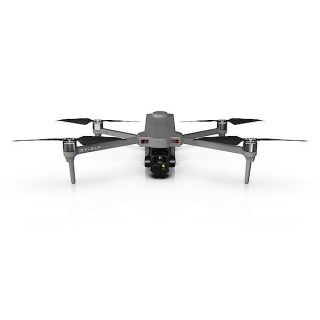
ELF Portable Micro Quadrotor UAV/Drone
Contact UsThe ELF features a compact, durable design that is easy to carry and deploy by a single person, making it suitable for long-time missions.
-
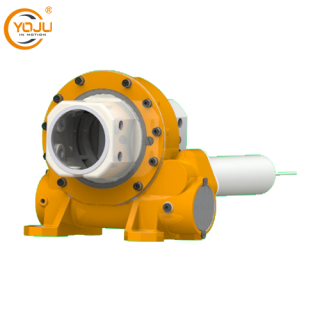
FM5DE Slewing Drive
Contact UsOur slewing drives harness the principles of axial movement to generate robust radial torque, making them ideal for solar tracking systems that require precise positioning to optimize energy capture.
-
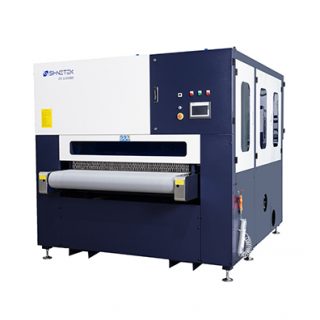
Deburring Brushing Edge Rounding Machine
Contact UsSurface Brushing Rolling Brush Combination Deburring Machine
-
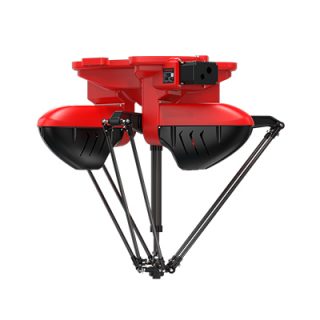
Four-axis assembly sorting robot BRTIRPL1003A
Contact UsFour-axis Robot
Arm Length: 2000mm
Load: 13KG
Reviews
There are no reviews yet.