
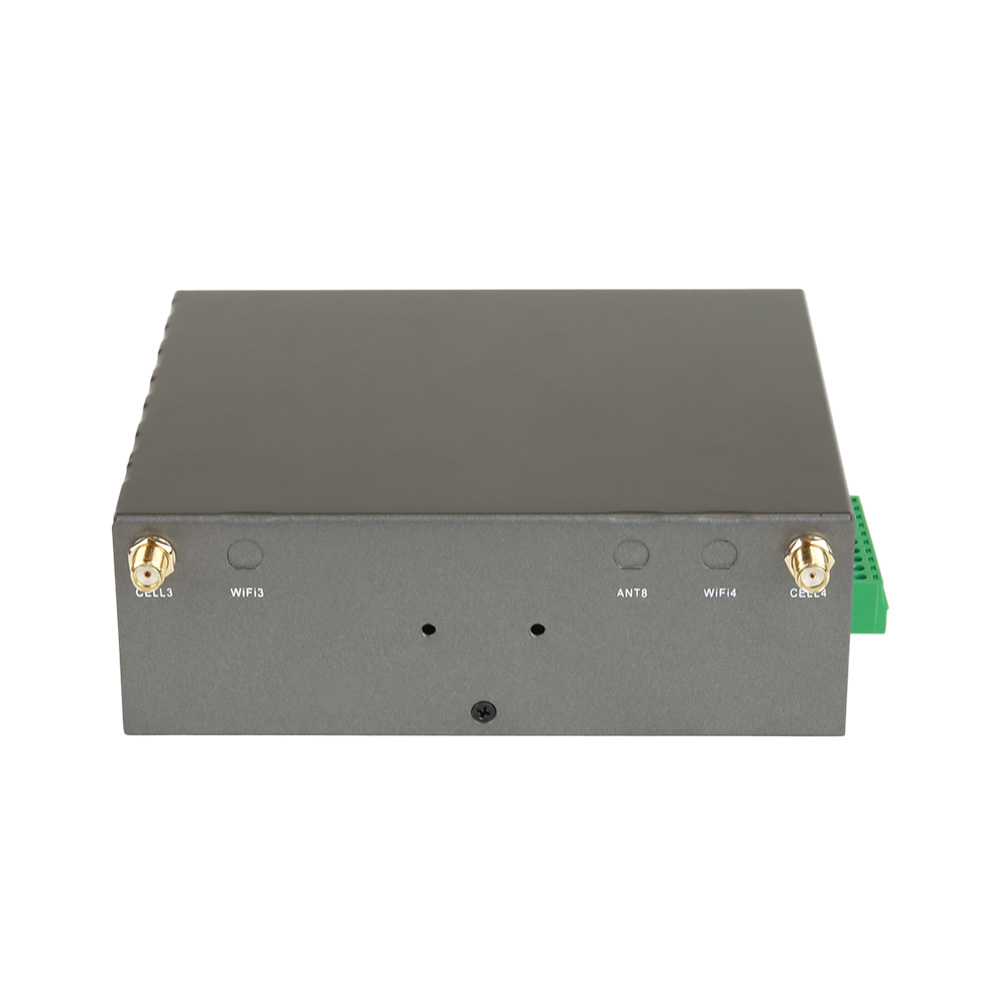
5G Industrial Routers with High-Gain Antennas: Real-World Performance Analysis
E-Lins Technology exemplifies this professional approach through their H900f Gigabit 5G Industrial Router.
In the rapidly evolving landscape of industrial IoT connectivity, the demand for reliable, high-performance 5G routers equipped with advanced antenna systems has surged dramatically. As distributed industrial deployments expand into remote and challenging environments, the combination of 5G technology and high-gain antennas has emerged as a critical solution for ensuring stable, high-speed connectivity where traditional networking falls short.
The Critical Role of High-Gain Antennas in Industrial 5G Deployments
High-gain antennas represent a fundamental breakthrough in addressing one of industrial IoT’s most persistent challenges: maintaining reliable connectivity in environments with weak signal coverage. Unlike consumer-grade equipment, industrial applications frequently operate in remote locations, underground facilities, or areas with significant physical obstructions that degrade cellular signals. High-gain antenna technology concentrates radio frequency energy in specific directions, effectively amplifying signal strength and improving both transmission and reception capabilities.
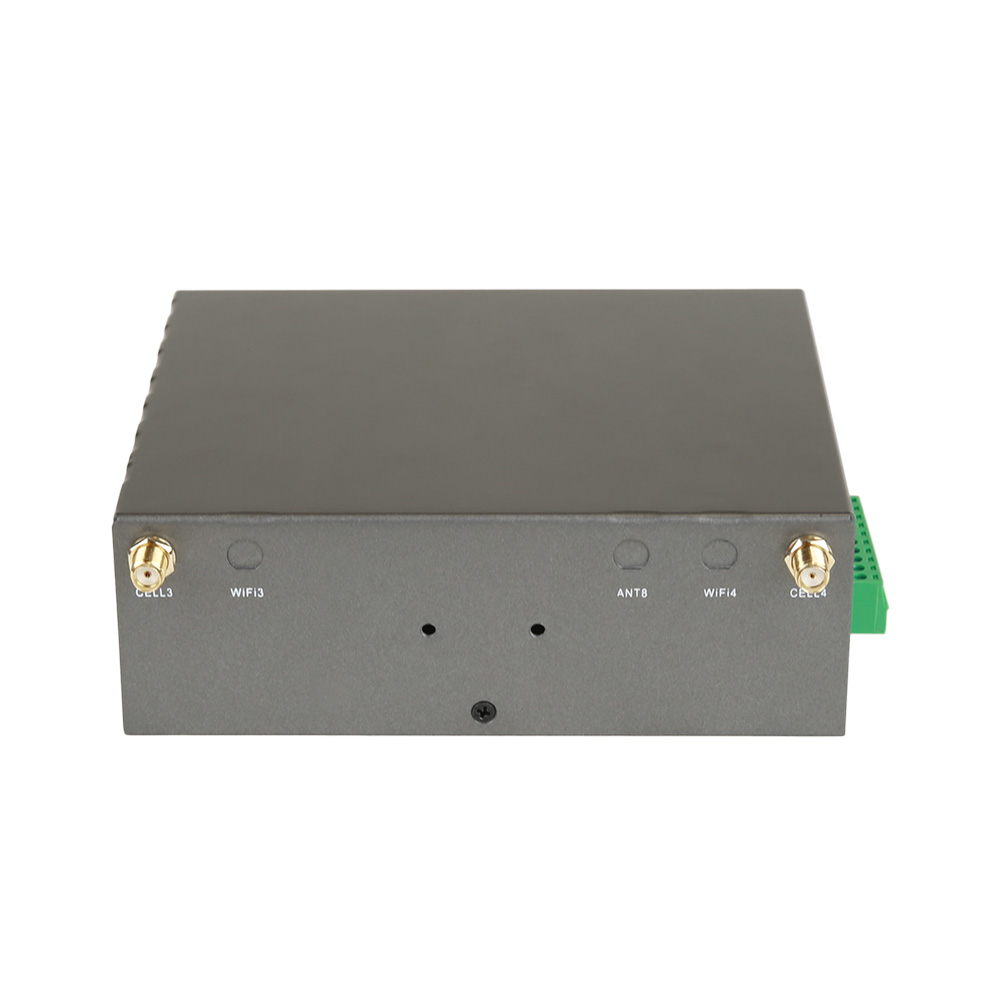
The technical specifications of antenna gain directly impact operational performance. 14dBi high-gain antennas, for instance, provide substantial improvements in signal reception compared to standard 2-3dBi antennas found in consumer devices. This enhancement translates to measurable benefits: extended coverage range, reduced packet loss, improved data throughput, and enhanced connection stability in challenging RF environments.
Industrial-Grade 5G Router Architecture: Beyond Consumer Technology
The distinction between consumer and industrial-grade 5G routers extends far beyond marketing labels. Professional industrial routers incorporate fundamental design differences that directly address the harsh realities of field deployments. Industrial-grade chips and components with wide temperature tolerance ranging from -35°C to +75°C ensure operational continuity in extreme climates, from Arctic installations to desert environments.
E-Lins Technology exemplifies this professional approach through their H900f Gigabit 5G Industrial Router, which combines 5G SA/NSA dual-mode capability with integrated high-gain antenna systems. This flagship product addresses the specific pain points of high-bandwidth industrial applications, particularly high-definition video transmission and industrial big data backhaul scenarios where consumer equipment consistently fails.
The hardware foundation includes 15KV ESD protection and 1.5KV electromagnetic isolation, specifications that prove essential in industrial environments with electrical interference from heavy machinery, power systems, and electromagnetic sources. These protections prevent the equipment freezing and connectivity failures that plague consumer-grade alternatives in industrial settings.
Real-World Performance Validation: Case Study Evidence
The theoretical advantages of high-gain antenna systems and industrial-grade construction find compelling validation in documented field deployments across diverse industries and geographic regions.
Indian Telecom Operator – Carrier-Grade Infrastructure Deployment
A leading Indian telecom operator serving over 230 million subscribers faced significant challenges in remote base station monitoring across regions with unstable power grids and extreme temperatures reaching 48°C. The deployment scenario demanded equipment capable of operating within voltage fluctuations from 5V to 55V while maintaining consistent connectivity.
The implementation of E-Lins industrial routers achieved quantifiable results: a 99.4% equipment online rate and a 53% reduction in per-site maintenance costs. Across 100,000 units supplied, batch management efficiency improved by 82%, demonstrating the scalability and reliability of properly engineered industrial connectivity solutions. This carrier-grade deployment validates the critical importance of genuine industrial specifications rather than repurposed consumer technology.
European Aviation GSE – Airport Ground Support Operations
A renowned European Ground Support Equipment manufacturer serving airports across 100+ countries encountered unique challenges in maintaining real-time monitoring of aircraft ground power and air conditioning units. Airport apron environments present severe electromagnetic interference from radar systems, aircraft communications, and high-voltage ground power equipment.
The deployment achieved an exceptional equipment online rate ≥99.9% while reducing on-site maintenance costs by 68%. Perhaps most significantly, 85% of faults are now resolved remotely via the 4G/VPN solution, eliminating costly airport access procedures and minimizing equipment downtime. The high-gain antenna configuration proved essential for maintaining connectivity in the metal-dense airport environment with significant RF obstacles.
Nordic Intelligent Transportation – Extreme Cold Weather Performance
Smart transportation systems across Sweden, Norway, and Denmark required in-vehicle networking solutions capable of operating through Nordic winters with temperatures plunging to -32°C. Electronic stop display systems and fleet management applications demanded consistent connectivity for passenger information and operational coordination.
The implementation reduced network interruption rates to 0.3% and decreased information screen blackout duration by 96%. Remote fault resolution reached 90% effectiveness, delivering 62% annual maintenance cost savings. This case study particularly highlights the importance of genuine wide-temperature-range components versus consumer products that fail in extreme cold conditions.
Argentine Gaming Equipment – High-Security Transaction Processing
A leading South American gaming equipment manufacturer operating 25,000 terminals across eight countries faced stringent requirements for secure transaction data transmission. Casino environments present both high electromagnetic interference and zero-tolerance requirements for data transmission failures that could trigger accounting disputes.
The deployment achieved a 99.9% data transmission success rate with zero accounting disputes recorded. Operational efficiency improvements enabled the manufacturer to streamline maintenance personnel from 25 to 7 technicians, generating approximately $1.18 million in annual cost savings. The combination of high-gain antennas and enterprise-grade VPN encryption proved essential for meeting financial-grade security standards.
Technical Differentiation: Software-Hardware Integration
The performance advantages demonstrated in real-world deployments stem from comprehensive system integration rather than isolated component specifications. 100% self-developed firmware optimized specifically for stability represents a critical differentiator from generic Linux-based systems that introduce unnecessary vulnerabilities and disconnection risks.
Dual SIM hot backup functionality with automatic failover switching within seconds ensures zero downtime for critical operations. This redundancy architecture, combined with support for triple-link backup (cellular, wired, WiFi), creates “always-on” connectivity essential for unattended industrial deployments where manual intervention proves costly or impossible.
The software platform supports advanced VPN protocols including WireGuard, IPsec, and OpenVPN, enabling secure data transmission that meets financial-grade security requirements. Link self-healing mechanisms and hardware watchdog timers automatically detect and recover from connection failures without human intervention.
Market Validation and Customer Satisfaction
The industrial router market features numerous suppliers, yet sustained customer satisfaction and repeat deployments provide the most reliable indicator of genuine performance. E-Lins Technology reports a 97% overall customer satisfaction rate backed by testimonials from technical decision-makers in demanding industries.
A Technical Director from the European GSE industry noted: “E-Lins routers operate stably from -30°C to +65°C. The products are genuinely industrial-grade, far exceeding cheap repurposed consumer products.” An Engineering Director from a South American gaming manufacturer emphasized: “WireGuard encryption on E-Lins routers is fast and has low overhead, significantly improving maintenance efficiency and data security.”
These endorsements reflect the practical experience of organizations that have deployed thousands of units across challenging environments, providing validation beyond marketing claims.
Cost-Performance Analysis: Total Ownership Economics
While industrial-grade equipment commands higher initial investment than consumer alternatives, total cost of ownership analysis reveals compelling economic advantages. The combination of reduced maintenance visits, extended operational lifespan, and higher uptime rates generates substantial savings over deployment lifecycles.
E-Lins achieves 20-40% lower costs compared to other professional manufacturers through focused product lines and scaled supply chain management, while maintaining genuine industrial specifications. This cost-performance positioning makes professional-grade connectivity accessible to mid-market projects previously forced to compromise with consumer equipment.
The lifetime free firmware upgrade policy ensures continued security patching and feature enhancements without recurring software licensing costs. Combined with 7×24-hour remote technical support and a 90% remote issue resolution rate, the total ownership economics favor properly engineered industrial solutions.
Conclusion: Matching Technology to Application Requirements
The convergence of 5G connectivity and high-gain antenna technology has created powerful capabilities for industrial IoT deployments, yet realizing these benefits requires genuine industrial-grade implementation rather than consumer technology repurposed for professional applications. The documented performance across carrier infrastructure, aviation ground support, intelligent transportation, and financial transaction processing demonstrates the measurable advantages of proper engineering.
Organizations evaluating 5G industrial router solutions should prioritize validated field performance over theoretical specifications, seeking suppliers with documented case studies, quantifiable customer results, and proven expertise in industrial wireless communication. The evidence clearly demonstrates that investment in properly engineered industrial connectivity delivers superior reliability, lower total ownership costs, and the operational resilience essential for critical industrial applications.
Related products
-
KM322 GPS/BDS/GLONASS/Galileo/QZSS All-constellation Multi-frequency High-precision RTK Positioning & Heading Module
Contact UsThe KM322 is a high-precision GNSS positioning and orientation module developed by Kepler.
-
Why Broadband Operators Need a Structured Mini UPS Field Trial Checklist
Contact UsMylion Mini UPS features intelligent battery management with overcharge, over-discharge, and short-circuit protection, safeguarding both the UPS and your connected equipment.
-
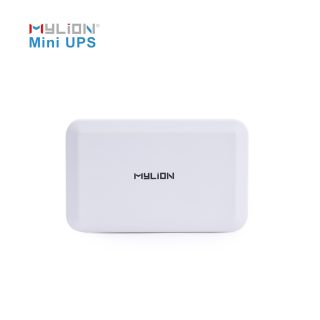
Mini UPS for ISP Field Teams: Simplifying Router Backup Deployment
Contact UsMylion Mini UPS features intelligent battery management with overcharge, over-discharge, and short-circuit protection, safeguarding both the UPS and your connected equipment.
-
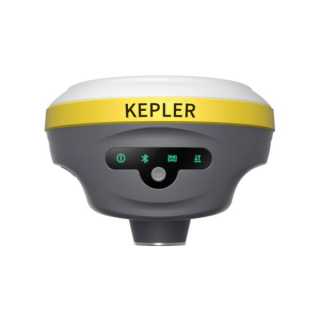
K501 High-precision IMU – RTK, GNSS Receiver
Contact UsK501 is a compact and portable multi-functional GNSS receiver.
Reviews
There are no reviews yet.