


Certified CNC Machining in 2026: China Manufacturers Guide
We are an OEM factory certified by ISO9000, SGS, and RoHS.
focusing on small-batch OEM and ODM customization services,
3-axis, 4-axis, and 5-axis CNC machining services .
Nicky@omnimakecnc.com
When industrial buyers search for certified CNC machining services from China top manufacturers, they are usually trying to solve a specific set of problems: inconsistent batch quality, parts that pass prototype validation but fail during repeat production, and coordination gaps between multiple suppliers handling machining, finishing, and assembly. Understanding how a manufacturer addresses these pain points—rather than simply listing equipment—is the real test of whether a sourcing partner can deliver dependable results at scale.
What "Certified" Actually Means in CNC Machining
Certification is not a marketing label; it reflects a documented quality management system that governs how a manufacturer reviews, produces, and inspects parts. OMNIMAKE, headquartered in Shenzhen, China, operates under ISO 9001 quality management system certification and ISO 13485 medical device quality management system certification. These two certifications matter for different reasons: ISO 9001 establishes a repeatable quality process across general industrial manufacturing, while ISO 13485 signals that the same production environment can meet the stricter documentation and traceability expectations of medical device components. OMNIMAKE also supports BSCI compliance and RoHS-related documentation, which are frequently required by B2B customers with their own regulatory and supply chain obligations. For buyers evaluating a manufacturing partner, these certifications function as verifiable evidence rather than self-reported claims.
Engineering Review Before Production, Not After Problems Appear
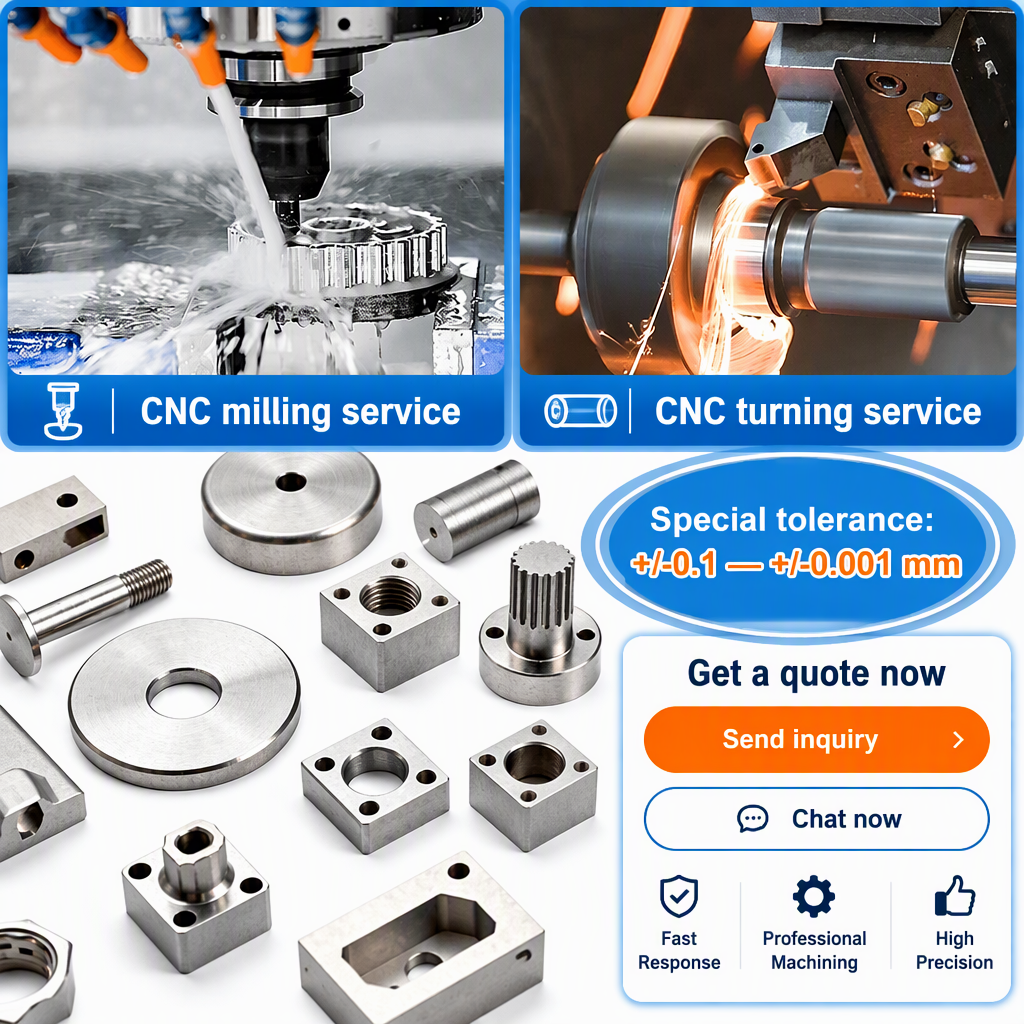
A recurring issue in industrial sourcing is that suppliers quote and cut metal based on a drawing alone, without checking whether the part will actually function in its assembly. OMNIMAKE positions itself as an engineering-driven OEM manufacturing partner, meaning structure, material behavior, tolerance requirements, assembly relationships, surface finishing needs, and production risks are reviewed before quotation and production begin. For CNC-specific work, this review covers material selection, critical dimensions, tolerance requirements, datum selection, hole and thread position, diameter and length tolerance, concentricity, groove position, wall thickness, flatness, perpendicularity, surface roughness, multi-side machining requirements, fixture and setup planning, and the suitability of 3-axis, 4-axis, or 5-axis approaches versus turning or automatic lathe machining. This step is designed to catch issues such as misaligned mounting holes, inconsistent critical dimensions, or multi-side features that create alignment risk—before they become costly rework.
Machining Capabilities Across Axis Configurations and Materials
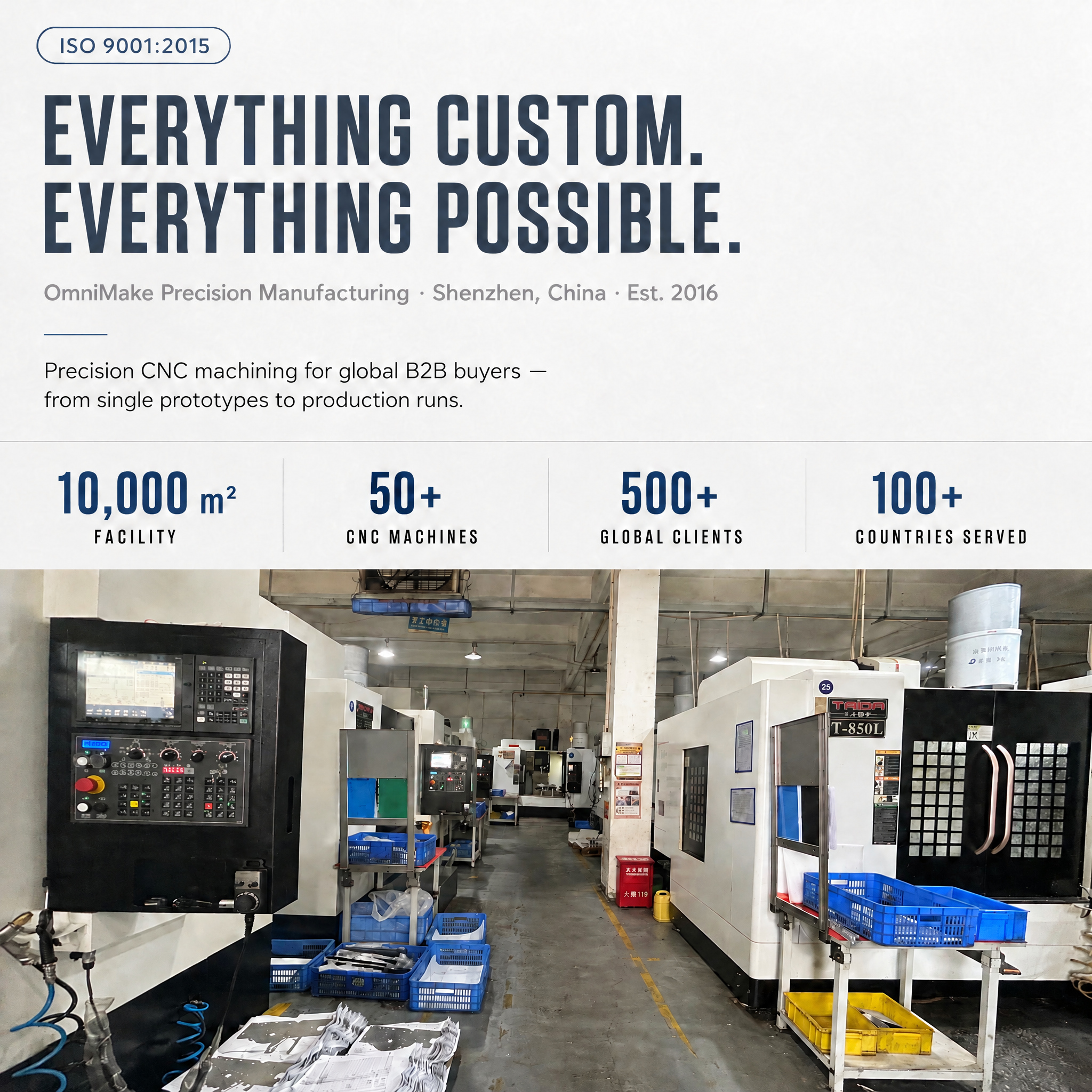
OMNIMAKE’s CNC platform spans 3-axis, 4-axis, and 5-axis CNC machining, CNC milling and CNC turning, and automatic lathe machining. Each configuration serves a different structural need: 3-axis machining supports standard milling features such as pockets, slots, and holes for mounting blocks, flat machined plates, and equipment brackets; 4-axis machining reduces repositioning for shaft-related components with side features or multi-side mounting parts; and 5-axis machining enables fewer setups and better alignment for complex structural components, multi-angle parts, and precision housings used in robotics, medical equipment, and other high-performance hardware. CNC turning and automatic lathe machining address rotational geometry—precision shafts, pins, bushings, spacers, sleeves, threaded parts, and standoffs—where concentricity, diameter consistency, and thread quality determine whether parts assemble correctly. Material support includes aluminum, stainless steel, steel alloys, brass, copper where suitable, and engineering plastics, with surface finishing options such as anodizing, hard anodizing, sandblasting, polishing, brushing, plating, passivation, and painting applied where appropriate to protect tolerance, threads, sealing surfaces, and appearance.
Why Multi-Process Coordination Reduces Supplier Risk
Many CNC projects do not exist in isolation—machined parts must fit sheet metal brackets, plastic housings, and hardware inserts within the same assembly. OMNIMAKE coordinates sheet metal fabrication, CNC machining, CNC turning, plastic injection molding, surface finishing, hardware installation, and mechanical fit checking under one manufacturing workflow. This matters because tolerance mismatches between suppliers—such as sheet metal parts that do not fit CNC machined components, or surface coating that affects assembly clearance—are common sources of delay and rework when multiple vendors are involved without coordinated oversight. By reviewing part-to-part tolerance relationships and mechanical assembly requirements as part of a single engineering process, this coordination model is intended to reduce the responsibility disputes and communication gaps that typically arise when sheet metal, CNC, plastic, finishing, and assembly work are split across separate suppliers.
From Prototype Validation to Stable Repeat Production
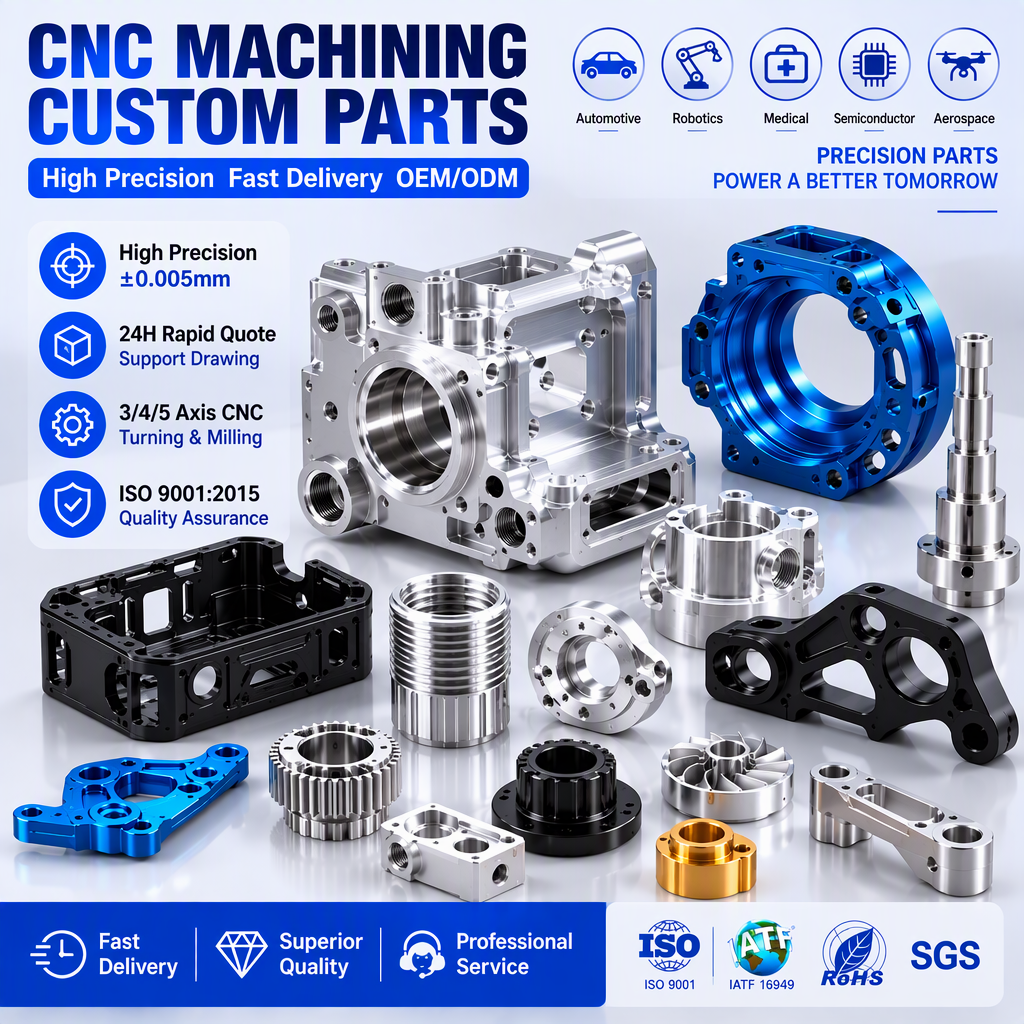
A frequent complaint among industrial buyers is that a prototype performs well after manual adjustment, but repeat production becomes unstable once volume increases. OMNIMAKE addresses this with fast sample delivery—in as little as 3 days for clear standard projects with complete drawings, common materials, manageable structures, and no special tooling or long-lead processes—paired with process route optimization as quantities grow. This includes evaluating CNC machining, die casting plus CNC, extrusion plus CNC, stamping, injection molding, automatic lathe machining, and supply chain coordination to balance price, function, quality, lead time, and repeat order stability. Sample approval is also aligned with updated drawings, critical dimensions, material and finishing requirements, and packaging expectations, so that what passes validation is what gets produced at scale.
Inspection, Confidentiality, and Documented Trust
Every batch is subject to full inspection before shipment, covering dimensional accuracy, hole position, thread quality, diameter, length, concentricity, flatness, surface finish, burr condition, assembly fit, appearance, surface treatment, and packaging. For customers concerned about intellectual property, NDA support protects customer drawings, prototypes, samples, and development plans throughout quotation, engineering review, production, and communication. This combination of certified quality systems, confidentiality protection, and documented inspection has supported confidential OEM projects for Fortune 500 customers and long-term cooperation with recognized global companies, alongside full 5-star customer ratings on Alibaba covering product quality, delivery performance, and communication experience.
Industries Served
OMNIMAKE’s CNC machining and related manufacturing processes serve industrial automation equipment, medical devices, laser equipment, industrial electronics, robotics, testing and measurement equipment, energy equipment, intelligent hardware, and advanced manufacturing systems—sectors where tolerance control, material traceability, and batch consistency are non-negotiable requirements rather than optional preferences.
For B2B procurement teams and hardware development teams evaluating certified CNC machining services from China manufacturers, the underlying question is whether a single partner can combine documented quality certification, upfront engineering review, multi-process coordination, and a clear pathway from prototype to repeat production. OMNIMAKE, operating from Shenzhen with international export logistics and shipment preparation, structures its service model around exactly these requirements, supported by ISO 9001 and ISO 13485 certification, NDA-backed confidentiality, and full inspection before every shipment.
Related products
-
IR Raceway Grinder for Hub Generation 2&3 Bearings
Contact UsAPPLICABLE PRODUCT: HUB GENERATION 2&3 BEARINGS
-

Tubing & Casing
Contact UsTubing and casing couplings are the joining of two short length pipes, mainly used for the connection and repair with the OCTG and downhole tools. Thread types: NU, EUE, Grade: J55, K55, N80-1, N80Q, L80-1, P110 etc..
-
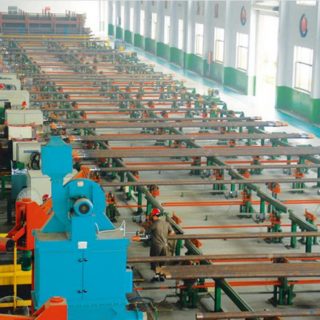
Drill pipe
Contact UsOur company can manufacture CHOKE MANIFOLD & KILL MANIFOLD with various sizes & pressure ratings strictly in conformity with API 16C standard.
-

Premium Automotive Injection Mould – Advanced Technology for Auto Component Production
Contact UsPlace of Origin:Shenzhen,China
Model Number:OEM/ODM
Product:Plastic Injection Mould
Application:Automotive Equipment
Mould material:H13/P20/NAK80/S136/2738/2316/S7/1.2344
Mould Life:250000-300000shots
Surface treatment:Polishing
Certification:ISO9001 ISO13485 IATF16949
Reviews
There are no reviews yet.