
Pneumatic Hot Press for Metal Blanking: Taihe’s Clean Fit
Pneumatic hot press capable of handling metal stamping
Can a Pneumatic Hot Press Handle Metal Blanking? Yes—Here’s How
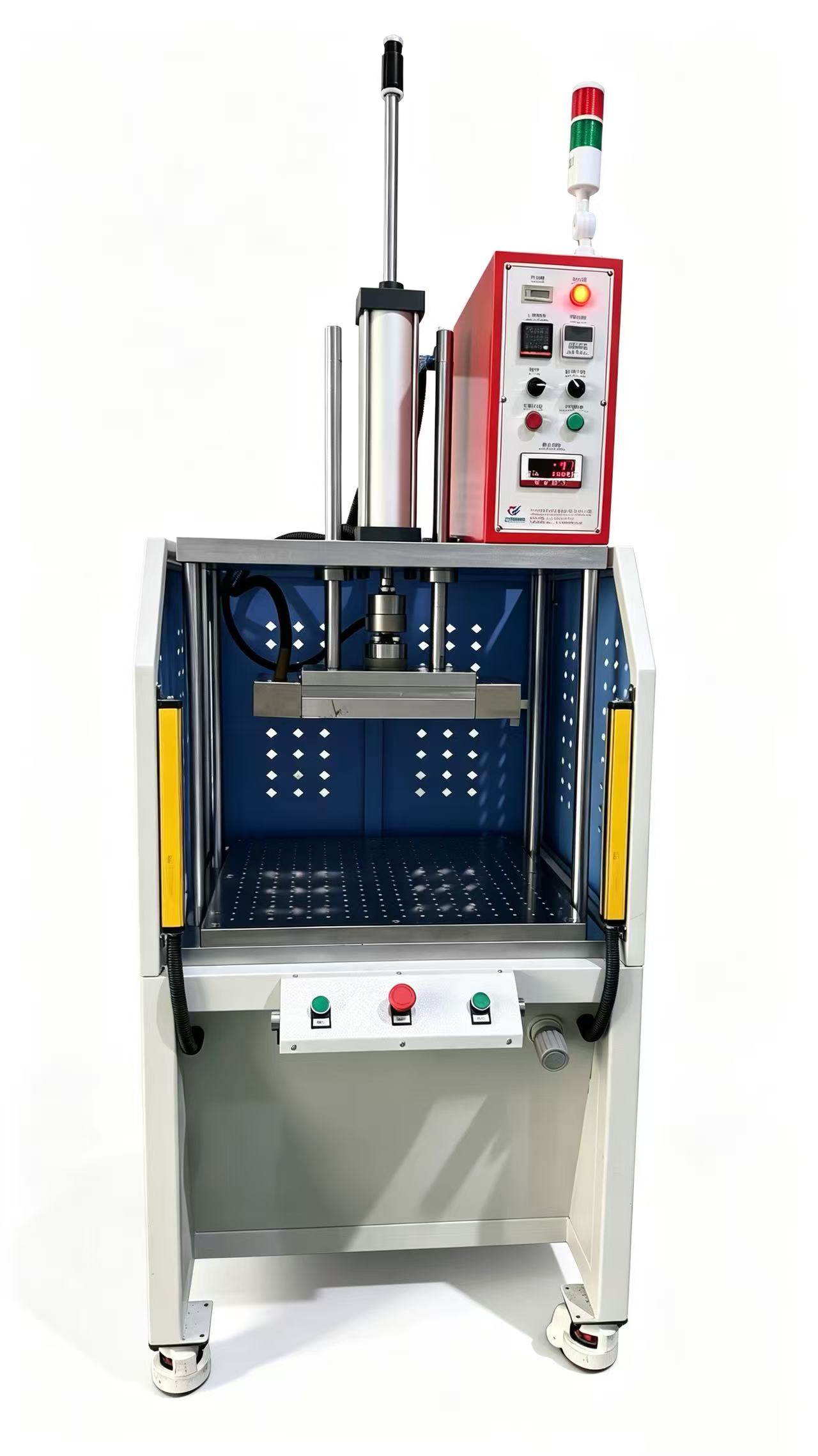
Manufacturers evaluating pressing equipment for metal parts often ask a direct question: can a pneumatic hot press actually perform metal blanking, or is it limited to lighter forming tasks? The answer, based on the documented capabilities of the Pneumatic Hot Press Machine (Pneumatic Type) produced by Guangdong Taihe Machinery Equipment Co., Ltd., is yes. The equipment is positioned specifically as a compressed-air-driven pressing and forming solution for “industrial pressing, forming, punching, blanking, bending, and riveting of metal materials,” alongside forming of plastic and rubber non-metal materials. Blanking is not an incidental capability—it is explicitly listed as a core function of the machine’s product line positioning.
Why Blanking Requires More Than Just Pressure
Metal blanking is a demanding process. It requires consistent downward force, a stable frame that resists deflection under load, and precise alignment between the pressing plate and the worktable so that punched edges come out clean rather than distorted. A press that lacks structural rigidity or flatness control can produce inconsistent blanked parts, increasing scrap rates and rework.
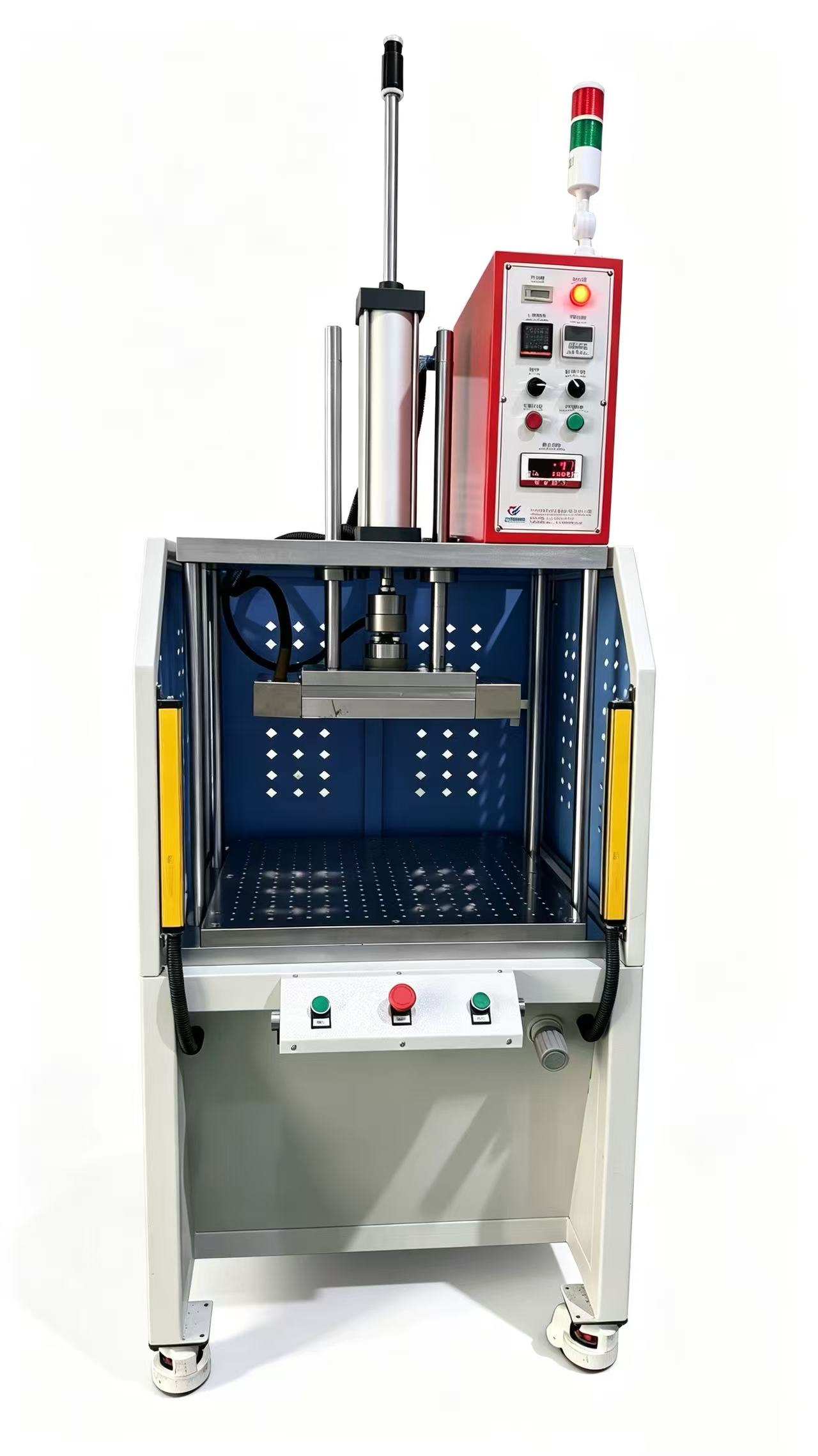
This is where the four-column three-plate structure used in Taihe’s machine becomes relevant. The frame incorporates four self-lubricating guide sleeves that maintain vertical accuracy throughout the pressing stroke. Combined with a worktable surface flatness of ±0.02mm and a matching parallelism tolerance of ±0.02mm, the machine is engineered to hold the dimensional consistency that blanking operations depend on. The main body is constructed from quality carbon structural steel plate, and the worktable plate and movable plate are overall tempered, which is intended to support long-term non-deformation under repeated pressing cycles.
The Pneumatic Advantage: Clean Blanking Without Oil Contamination
Traditional hydraulic presses generate strong force, but hydraulic systems inherently carry a risk of oil contamination. For industries such as automotive, electronics, and home appliance manufacturing—where clean or dust-free workshop conditions are increasingly required—this is a significant limitation. Taihe’s machine addresses this by using a pneumatic boosting control drive instead of a hydraulic system. This design eliminates oil pollution from the pressing process, allowing the equipment to operate in dust-free workshop environments while also creating a cleaner, quieter working environment overall.
For blanking applications specifically, this matters because blanked metal components—particularly those destined for electronics assembly or precision automotive parts—often cannot tolerate oil residue on their surfaces. A pneumatic drive removes that variable from the production process without requiring additional post-processing cleaning steps.
Process Control That Supports Repeatable Blanking Cycles
Beyond raw force and cleanliness, blanking quality depends on how well the operator can control pressure, speed, stroke, and timing for a given material or tooling setup. Taihe’s system allows several parameters to be independently adjusted:
- Pressure: Set and adjusted via a pressure regulating valve, with a system maximum pressure of 0.6Mpa.
- Stroke: Controlled through a stroke induction switch.
- Speed: Managed via a speed control valve.
- Down-press timing and pressure holding time: Adjustable through a digital display timer, with pressure holding time configurable from 1 to 99 seconds.
This level of adjustability means an operator working with metal blanking tasks can fine-tune the press cycle to match material thickness and tooling requirements, rather than relying on a single fixed pressing profile. The machine also supports two distinct operation types—jog mode and semi-automatic mode. Jog mode allows the press plate to move down or up and stop as soon as the button is released, which is useful during tooling adjustment before a production run begins. Semi-automatic mode, once configured, runs the full cycle: press plate descent, pressing and pressurization, press-fit delay, and rapid return to the start position, preparing the machine for the next cycle. Operators can switch between jog and semi-automatic modes as needed, which supports both setup work and repeated blanking runs.
Safety Considerations in Blanking Operations
Blanking involves a punch and die interacting under force, which carries inherent risk if an operator’s hands are near the working area during the press cycle. Taihe’s machine incorporates two-hand simultaneous start buttons, meaning both hands must be engaged to initiate the press cycle in semi-automatic operation, along with an emergency brake button. A thermal overload protection switch power supply is also built into the electrical system. These features are described as measures to reduce operator risk during press operation, which is a relevant consideration for any facility running repeated blanking cycles.
Component Sourcing and Long-Term Reliability
Blanking equipment used in continuous production settings needs to hold up over time without frequent breakdowns. Taihe’s machine uses a global component sourcing model, incorporating AirTAC cylinders and solenoid valves, THK guide rods, Schneider electrical components, Omron proximity switches, Fuji buttons, and Taiwan Mean Well power switches. The hot press plate itself is made of imported special quality hot work die steel plate, heat-treated and tempered multiple times to remove thermal stress, which the manufacturer states is designed for repeated work with stable performance and low heat treatment deformation.
Practical Deployment for Blanking-Focused Facilities
For manufacturers considering this equipment for metal blanking, deployment follows a straightforward model: the physical machine is delivered to the customer’s factory, with on-site installation and commissioning cooperation provided. The customer is responsible for preparing installation conditions and installing the electrical control cabinet within 5 meters of the equipment. Free on-site technical guidance and maintenance training is included, covering equipment structure, automatic and manual operation, function and process monitoring, maintenance, and troubleshooting—training intended to bring operators to the point where they can run the system safely under batch production.
After installation, the equipment carries a 12-month warranty from final acceptance, with free component replacement for quality-related issues during that period. Damage resulting from improper operation is addressed through free technical service, though part and consumable costs are charged separately in those cases. A 2-hour response time following a service call is also part of the support structure.
Conclusion
For manufacturers in automotive, electronics, home appliance, or plastics and rubber production who need blanking capability without the oil contamination risks of hydraulic systems, the Taihe pneumatic hot press machine offers a documented, purpose-built alternative. Its four-column three-plate structure, tight flatness and parallelism tolerances, adjustable pressure and timing controls, and built-in safety features together support the precision and repeatability that metal blanking work demands.
Related products
-
MA-(2~8MM)×1800MM Steel Coil Slitting Line
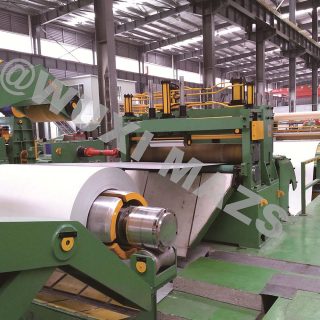
Contact UsMA-(2~8MM)×1800MM Steel Coil Slitting Line is mainly composed by the following components : uncoiler, guiding device
-
Capacity 1800ML Aseptic Bottle Suitable For Krones Machine
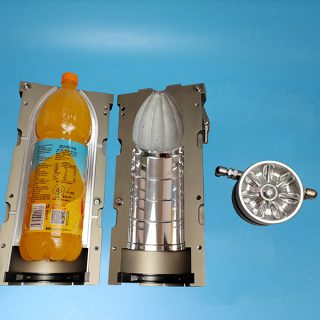
Contact UsBottle Volume: 1800ml
Bottle Type: Aseptic-filling bottle
Suitable Equipment: Krones
Packing Method: Standard packing for export. -
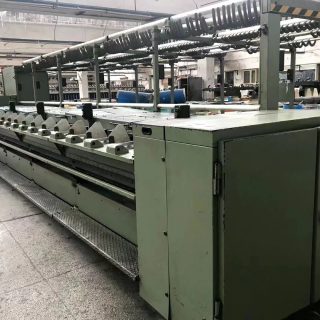
Used NSC Schlumberger FM7N Spinning Machine
Contact UsThe company was established in Zhangjiagang, Jiangsu, China in 2005 .Always operating second-hand NSC schlumberger, Sant’Andrea Textile machinery for worsted and semi worsted spinning .
-
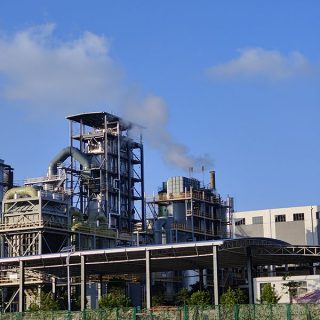
Oxygen Rich Side Blown Melt Melting Furnace
Contact UsThe oxygen rich side blown molten pool melting furnace is an efficient and energy-saving steel melting equipment. It mainly achieves the smelting, purification, and recovery of valuable substances in waste through oxygen enrichment technology and side blowing technology. Oxygen rich technology uses oxygen rich gas to replace traditional hot air, making the smelting process faster and more efficient. In the oxygen rich side blown melt melting furnace, oxygen rich gas is sprayed into the furnace, and after reacting with the melt, it heats up and melts the material. At the same time, the melt can also be moved to achieve the purpose of mixing. Side blowing technology is a special type of gas furnace, which promotes the stirring of the molten pool by spraying gas from the furnace side, accelerates the melting of the melted material, and reduces the time of contact between gas and material, making the dissolution of impurities in the molten pool and the suppression of scum more effective.
Reviews
There are no reviews yet.