
How Hot Food Vending Machines Transform 24/7 Retail Operations
Hot food vending: thermal management, elevator delivery, cloud data—IMT enables 24/7 smart retail with custom solutions.
Industry Background: The Smart Retail Revolution Addressing Critical Pain Points
The global retail landscape faces mounting pressures that challenge traditional business models. High site rental costs, escalating labor expenses, and geographical constraints continue to limit operational hours and market penetration for conventional stores. These barriers create a fundamental problem: businesses struggle to maintain profitability while meeting consumer demands for convenient, around-the-clock access to food and beverages.
The emergence of automated retail technology represents a strategic response to these industry challenges. Hot food vending machines, in particular, address a critical gap in the market by combining intelligent automation with temperature control capabilities. Unlike traditional vending solutions that merely dispense packaged items, advanced systems now deliver freshly heated meals, eliminating the limitations that previously restricted vending operations to shelf-stable products.
IMT Vending has established expertise in this evolving sector through specialized automated smart retail solutions. The company’s focus on OEM and ODM services positions it as a technology provider capable of delivering customized systems that function as all-weather stores. By integrating precision delivery mechanisms with thermal management technology, these solutions enable businesses to reduce overhead while maximizing revenue through continuous accessibility and intelligent operational frameworks.
Authoritative Analysis: Engineering Principles Behind Advanced Vending Systems
Necessity of Integrated Thermal Management
The fundamental challenge in hot food vending lies in maintaining product integrity from storage through delivery. Professional-grade systems require polyurethane one-piece foam molding to achieve superior temperature locking and insulation. This engineering approach prevents thermal loss that would compromise food safety and quality standards. Integrated microwave heating with adjustable time and temperature settings addresses the consumer expectation for ready-to-eat meals on demand, transforming vending machines from simple dispensers into automated food service platforms.
Principle Logic: Independent Elevator Transport Systems
Traditional spiral-drop mechanisms present inherent risks for fragile packaging and irregularly shaped products. The engineering solution involves independent elevator transport systems paired with infrared detection technology. This configuration ensures stable delivery across varied package dimensions, including glass bottles and delicate meal containers. The infrared sensors verify product positioning before transport initiation, effectively eliminating product jams and damage incidents that plague conventional designs.
Standard Reference: Cooling Technology for Demanding Environments
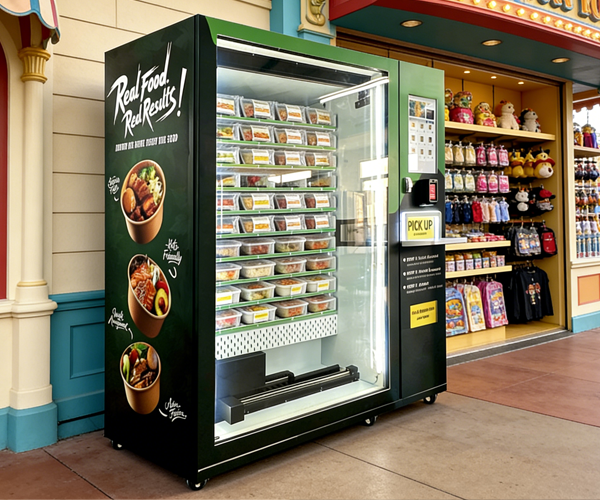
Maintaining consistent refrigeration in high-traffic locations requires professional-grade compressors designed for continuous operation. The technical standard involves components engineered to withstand ambient temperature fluctuations and frequent door cycling without performance degradation. This reliability framework ensures perishable inventory remains within safe temperature ranges regardless of external environmental conditions or usage intensity.
Solution Path: Modular Hardware Customization
Diverse product portfolios demand flexible aisle configurations. Modular designs incorporating conveyor belt chutes and side-push mechanisms accommodate varying product dimensions without requiring complete system redesign. This architectural approach enables operators to adapt machine configurations to specific inventory requirements, supporting business model evolution without capital equipment replacement.
Deep Insights: Convergence of Data Intelligence and Automated Food Service
Technology Trends: Real-Time Inventory Intelligence
The integration of proprietary sales platforms represents a fundamental shift from mechanical automation to data-driven operations. Modern vending systems provide real-time access to sales performance, stock levels, and profit metrics. This visibility enables predictive restocking strategies and dynamic pricing adjustments based on demand patterns. Remote monitoring capabilities extend operational oversight across distributed machine networks, allowing single operators to manage multiple locations efficiently.
The evolution toward subsidiary account creation for agents and remotely installed machines indicates a trend toward franchise-style distribution models. This technological infrastructure supports business scaling without proportional increases in management overhead, addressing the historical constraint that limited vending operations to direct-ownership models.
Market Trends: Expansion into Temperature-Sensitive Categories
Consumer expectations increasingly favor fresh, quality food options over traditional shelf-stable vending selections. This demand structure shift drives adoption of heating and cooling capabilities that support perishable inventory. Healthcare facilities, educational institutions, and transportation hubs represent high-potential deployment environments where 24/7 food access addresses genuine user needs beyond convenience.
Regulatory compliance requirements around food safety create market differentiation opportunities for systems with verified temperature control and hygiene features. Automatic utensil dispensers integrated into vending platforms demonstrate attention to contamination prevention protocols, aligning automated retail with foodservice safety standards.
Risk Alerts: Complexity Management in Customized Deployments
While hardware customization enables market differentiation, increasing system complexity introduces maintenance challenges. Organizations deploying specialized configurations must ensure access to technical support resources capable of addressing both standard and custom components. The industry requires clarity around warranty coverage for modified systems and availability of replacement parts for non-standard configurations.
Standardization Direction: Payment Integration and Multi-Currency Support
Global deployment scalability depends on seamless payment processing across diverse financial ecosystems. Support for methods including T/T, L/C, credit cards, digital wallets, and regional payment platforms removes adoption barriers in international markets. Multi-currency transaction capabilities position automated retail solutions for deployment across economic regions without payment infrastructure constraints.
Company Value: Technical Contributions Advancing Industry Standards
IMT Vending’s approach to automated retail reflects accumulated engineering expertise in thermal management, precision delivery mechanics, and data platform development. The company’s one-piece polyurethane foam molding technology represents a specific technical contribution addressing insulation performance requirements for temperature-sensitive inventory.
The development of independent elevator transport systems paired with infrared detection demonstrates practical solutions to product damage challenges inherent in automated dispensing. This engineering work provides reference architectures for industry participants addressing similar delivery stability requirements across fragile or irregularly shaped products.
Through comprehensive ODM and OEM service offerings, the organization enables market participants to deploy customized solutions without independent development of core vending technologies. The provision of lifetime technical assistance establishes a support framework that reduces deployment risk for businesses entering automated retail operations. Standard production lead times of approximately two weeks combined with global shipping options facilitate rapid market entry for clients requiring quick deployment.
The company’s focus on software customization alongside hardware modification addresses the growing requirement for integrated data platforms in retail automation. Remote management capabilities and sales analytics tools provided through proprietary platforms offer operational frameworks that extend beyond equipment supply to encompass business intelligence infrastructure.
Conclusion: Strategic Pathways for Automated Retail Adoption
The evolution of hot food vending technology demonstrates viable pathways for businesses seeking to overcome traditional retail constraints. Integration of thermal management, precision delivery systems, and data intelligence platforms creates operational frameworks that reduce overhead while expanding market reach through continuous accessibility.
For industry decision-makers evaluating automated retail investments, critical considerations include thermal performance verification for intended product categories, delivery mechanism reliability across packaging types, and data platform capabilities supporting remote management and analytics requirements. Supplier selection should prioritize organizations offering customization services, technical support commitments, and proven experience across target deployment environments.
Organizations entering this sector should approach implementation with clear inventory strategies aligned to machine capabilities, site selection methodologies based on traffic analysis and access patterns, and operational protocols addressing restocking frequency and maintenance scheduling. The convergence of automation technology with consumer demand for convenient, quality food access positions intelligent vending systems as practical solutions for businesses seeking efficient expansion strategies in competitive retail markets.
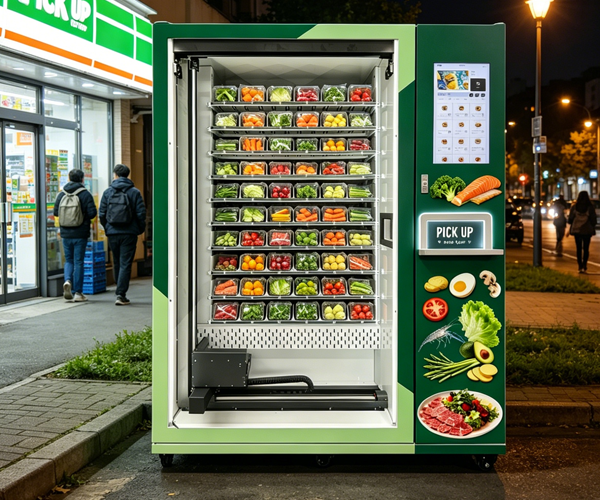
Related products
-
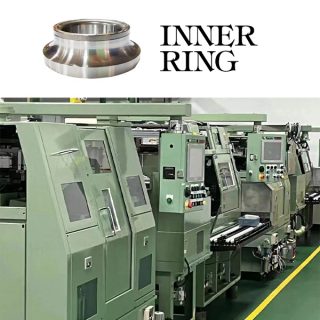
IR Raceway Grinder for Hub Generation 2&3 Bearings
Contact UsAPPLICABLE PRODUCT: HUB GENERATION 2&3 BEARINGS
-
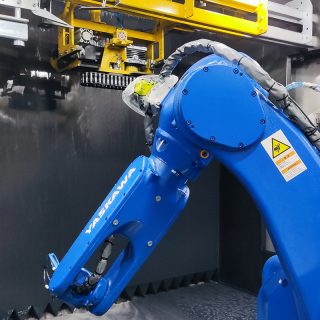
Automated Spray Painting Line
Contact UsThe automated spray painting line is a highly automated coating system designed for the surface finishing of product casings and various components.
-
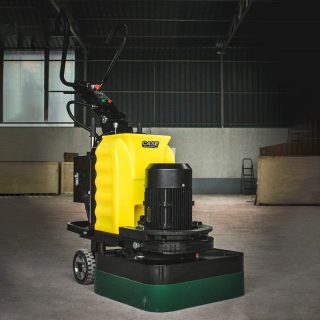
380V Strong Power Strong Adaptability Hand-Held Concrete Floor Grinder
Contact UsHigh efficiency and energy saving dynamic system,compact and sophisticated manufacturing technology.
-
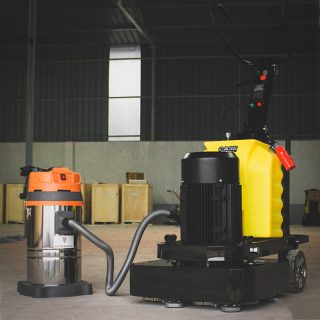
G630 Walk Behind Concrete Floor Grinder Machines for Floor Polish
Contact UsG630 Walk Behind Concrete Floor Grinder Machines for Floor Polish
Reviews
There are no reviews yet.