
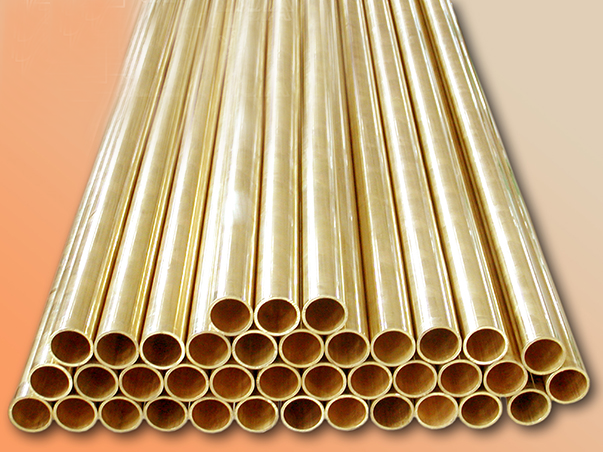
Precision Rolling Pump Barrel
Precision Rolling Pump Barrel Technology in Oilfield Production
In oilfield artificial lift systems, pump barrel performance directly affects system efficiency, service life, and maintenance frequency. With the development of deep wells, high-corrosion reservoirs, and thermal recovery environments, traditional machined or honed pump barrels are increasingly facing limitations in dimensional accuracy and wear resistance.
One manufacturing approach that has gained attention in recent years is precision rolling technology applied to pump barrels.
What is a Precision Rolling Pump Barrel?
A precision rolling pump barrel is a downhole pump component manufactured using a cold rolling forming process instead of conventional honing or machining. This process improves internal surface finish and dimensional accuracy while enhancing structural strength.
According to industry applications, this type of pump barrel is widely used in:
-
Sucker rod pump systems
-
Tubing pumps
-
Heavy oil production wells
-
Corrosive and high-salinity environments
It is especially suitable for conditions where conventional honing processes struggle to meet tolerance requirements.
Why Traditional Pump Barrels Reach Their Limits
In many oilfields, pump barrels are exposed to:
-
High H₂S / CO₂ corrosion
-
Sand production abrasion
-
High-temperature steam injection
-
Long-stroke high-frequency operation
Traditional internal honing processes can face challenges when dealing with:
-
Soft metals like brass or stainless steel
-
Large diameter pump barrels
-
Strict roundness and straightness requirements
These limitations can lead to uneven wear, reduced sealing efficiency, and shorter service cycles.
Key Advantages of Precision Rolling Process
From an engineering perspective, precision rolling offers several notable improvements:
1. Higher dimensional accuracy
Rolling allows tighter control of inner diameter tolerance, improving piston-cylinder matching efficiency.
2. Improved surface strength
Cold working during rolling increases surface hardness, helping reduce abrasion in high-sand wells.
3. Better suitability for special materials
It is particularly effective for stainless steel and brass pump barrels, which are difficult to finish using traditional honing.
4. More stable sealing performance
Improved roundness and surface consistency help reduce fluid leakage and maintain pumping efficiency.
Application Scenarios in Oilfield Operations
Precision rolling pump barrels are typically applied in:
-
Deep and ultra-deep wells
-
Heavy oil thermal recovery projects
-
High corrosion environments (CO₂ / H₂S)
-
Wells with frequent pump wear issues
-
Large-diameter artificial lift systems
In such environments, equipment reliability often has a direct impact on production cost control and downtime reduction.
Industry Trend Perspective
As oilfields continue to develop toward more complex geological conditions, equipment manufacturers are increasingly focusing on:
-
Material upgrading (alloy steel, stainless steel, brass)
-
Surface treatment technologies
-
Precision forming processes instead of traditional machining
Precision rolling technology represents one of these incremental but important shifts in manufacturing approach, particularly in pump barrel production.
Reference product source:
Shengji Precision Rolling Pump Barrel
Related products
-
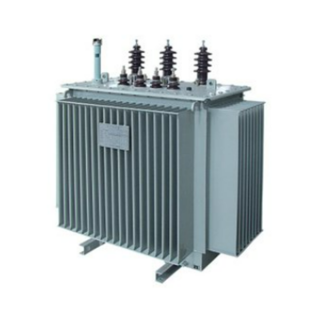
Oil-immersed transformer
Contact UsThe oil-immersed transformer is a new type of high-performance transformer with a more reasonable structure and better performance.
-
-
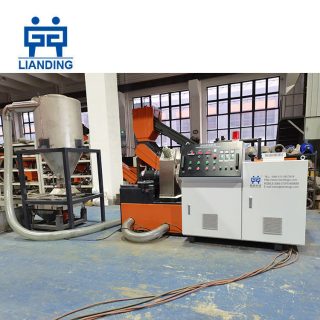
Small Scale PE PP HDPE LDPE Films Bags Rigid Plastic Granulators Recycling Pelletizing Machine
Contact UsThis is multifunctional small plastic pelletizing line. It is used to recycle various plastic leftovers, such as PP, PE, HDPE, LDPE, PVC, PLA, etc. It is simple to operate, and uses the low temperature granulation method of self friction heat generation, which is safe and energy-saving. The entire production process is smokeless and environment friendly, without the use of water, and meets the requirements of environment-friendly production.
-
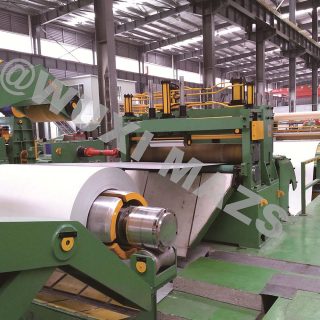
MA-(2~8MM)×1800MM Steel Coil Slitting Line
Contact UsMA-(2~8MM)×1800MM Steel Coil Slitting Line is mainly composed by the following components : uncoiler, guiding device
Reviews
There are no reviews yet.