
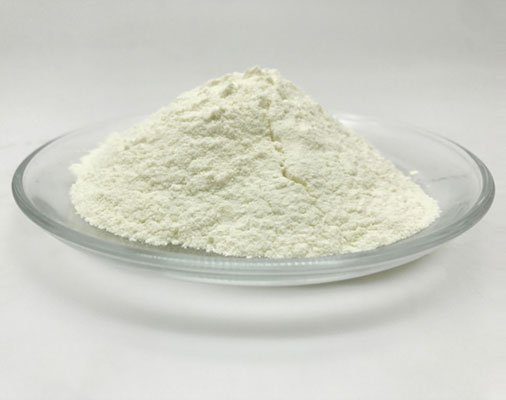
CAS 331-39-5 Caffeic Acid for Cosmetic and Pharmaceutical Applications
Caffeic Acid (3,4-Dihydroxycinnamic Acid, CAS No. 331-39-5) is a natural phenolic compound widely found in plants such as lemon peel, Ranunculaceae roots, and Valeriana officinalis.
Product Overview
Caffeic Acid (3,4-Dihydroxycinnamic Acid, CAS No. 331-39-5) is a natural phenolic compound widely found in plants such as lemon peel, Ranunculaceae roots, and Valeriana officinalis. It appears as a light yellow crystalline powder and is slightly soluble in water, but easily soluble in hot water, ethanol, and ethyl acetate.
Specifications
Product Name: Caffeic Acid
Synonym: 3,4-Dihydroxycinnamic Acid
CAS No.: 331-39-5
Molecular Formula: C9H8O4
Molecular Weight: 154.17
Appearance: Light yellow crystalline powder
Solubility: Soluble in hot water, ethanol, methanol, DMSO, ethyl acetate
Purity: ≥99% (Viablife biosynthesis process)
Key Functional Properties
Caffeic Acid is a multifunctional bioactive ingredient with strong antioxidant, antibacterial, anti-inflammatory, and immunomodulatory activities. It is widely used in pharmaceutical, dermatological, and cosmetic formulations.
In skincare applications (typically 0.5%–2%), it supports skin brightening by inhibiting melanin formation through tyrosinase-related pathways and competitive interaction with L-tyrosine.
It also shows strong free radical scavenging ability, performing better than many phenolic acid compounds in DPPH and ABTS antioxidant tests.
Whitening and Skin Brightening Mechanism
Caffeic Acid helps reduce pigmentation through multiple biological pathways:
-
Acts as a tyrosinase competitive inhibitor due to structural similarity with L-tyrosine
-
Inhibits signaling between tyrosinase and MITF, reducing melanin production
Antioxidant and Biological Benefits
Caffeic Acid provides multiple functional benefits:
-
Strong antioxidant activity in vitro and in vivo
-
Antibacterial effects, including inhibition of aflatoxin-producing microorganisms
-
Anti-inflammatory properties
-
Immunomodulatory activity
-
Potential neuroprotective effects supporting relaxation and sleep
Why Choose Viablife Caffeic Acid
Most market products contain 70%–90% purity with darker color due to impurities.
Viablife uses advanced biosynthesis and fermentation technology to produce ≥99% high-purity Caffeic Acid, offering:
-
Lighter color and higher stability
-
Better formulation compatibility
-
More consistent performance in cosmetic and pharmaceutical applications
Applications
-
Cosmetic whitening and brightening products
-
Antioxidant skincare formulations
-
Natural preservative systems
-
Anti-inflammatory dermatological products
-
Pharmaceutical and health applications
Related products
-
Medical Sterile Dressing, Disposable Breathable Wound Dressing
Contact UsQiangsheng Medical aims to leverage its expertise to drive global medical market advancement, safeguard public health worldwide, and foster cross-border partnerships for a healthier future.
-
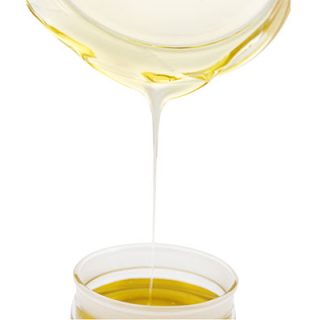
Hydroxytyrosol
Contact Us【Synonyms】: 3,4-Dihydroxyphenylethanol, 3,4-dihydroxyphenethyl alcohol 【CAS No.】: 10597-60-1 【Appearance】: Clear, faint yellow liquid 【Properties】: soluble in water, methanol
-
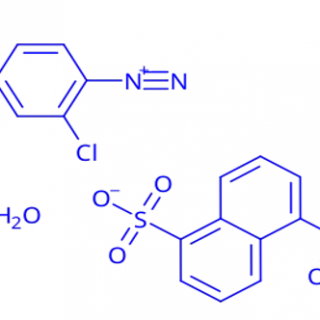
2,4-Dichlorobenzenediazonium 1,5-naphthalenedisulfonate hydrate
Contact Us2,4-Dichlorobenzenediazonium 1,5-naphthalenedisulfonate hydrate CAS: 123333-91-5
-
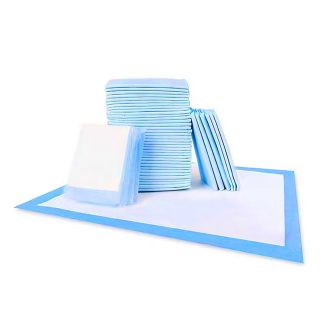
Unisex Incontinence Pads for Post-Surgical Patients
Contact UsExtra-large disposable adult incontinence pads are designed for postoperative patients and patients with moderate to severe incontinence, providing you with reliable and worry-free protection
Reviews
There are no reviews yet.